
Maddinson's Catch Is the Headline; Hope and Doran's Unbroken 153 Is What Actually Happened
**मुख्य उत्तर:** तस्मानिया ने शेफील्ड शील्ड राउंड 3 में पहले दिन स्टम्प्स तक 5-335 बनाए। ब्रैड होप (83*) और जेक डोरान (69*) की छठे विकेट के लिए 153 रन की अटूट साझेदारी ने 5-182 से टीम को उबारा। निक मैडिसन का स्क्वायर लेग कैच हेडलाइन बना, जबकि उनकी गेंदबाज़ी 8 ओवर में 0-31 रही। **मुख्य तथ्य:** - तस्मानिया ने टॉस हारकर बल्लेबाज़ी की; बेलरिव ओवल, होबार्ट में राउंड 3 का पहला दिन। - होप 145 गेंद पर 83*, स्ट्राइक रेट 57.2; डोरान 99 गेंद पर 69*, स्ट्राइक रेट 69.7। - एनएसडब्ल्यू ने पहले दिन सात गेंदबाज़ इस्तेमाल किए; सातवाँ विकल्प 34 वर्षीय पार्ट-टाइम स्पिनर था। - चार दिवसीय मैच में फॉलो-ऑन सीमा 150 रन है (कानून 14); टेस्ट में यह 200 रन होती है। - मैडिसन (34) की चार टेस्ट पारियों में 56 रन, औसत 14.00; ग्रीन और इंग्लिस फिट होकर लौट रहे हैं। **स्रोत:** cricket.com.au की मैच रिपोर्ट, शेफील्ड शील्ड राउंड 3, बेलरिव ओवल, होबार्ट; प्रकाशन तिथि तथा ओवर-प्रति-दिन के आँकड़े सत्यापन लंबित। **संबंधित प्रश्न-उत्तर:** प्रश्न: तस्मानिया का 5-335 कितना मज़बूत है? उत्तर: यह एक अटूट 153 रन की साझेदारी पर टिका है; दूसरे दिन सुबह दो विकेट गिरने पर पारी लगभग 380 पर सिमट सकती है। प्रश्न: निक मैडिसन का टेस्ट कमबैक कितना संभव है? उत्तर: चार पारियों के 56 रन का सैंपल निर्णायक नहीं है, और 34 वर्ष की उम्र तथा ग्रीन-इंग्लिस की वापसी से उनका रास्ता संकरा है। प्रश्न: इस मैच में फॉलो-ऑन की सीमा क्या है? उत्तर: 150 रन, क्योंकि यह चार दिवसीय प्रथम-श्रेणी मैच है (कानून 14), जबकि पाँच दिवसीय टेस्ट में सीमा 200 रन होती है।
The smallest moment of the day became the biggest story.
Mitch Owen, first ball. Nic Maddinson goes full length to his right at square leg, the ball sticks in one hand, and the commentary box makes a noise that compresses six hours of cricket into four seconds. The headline writes itself: Maddinson's stunner, first-ball duck.
I watched that catch eleven times, because that is what was on the loop. Then I opened the scorecard. Tasmania 5-335 at stumps. And Maddinson's own line inside it: eight overs, 31 runs, no wicket. Not yet a ball faced.
The catch is four seconds. The stand is six hours.
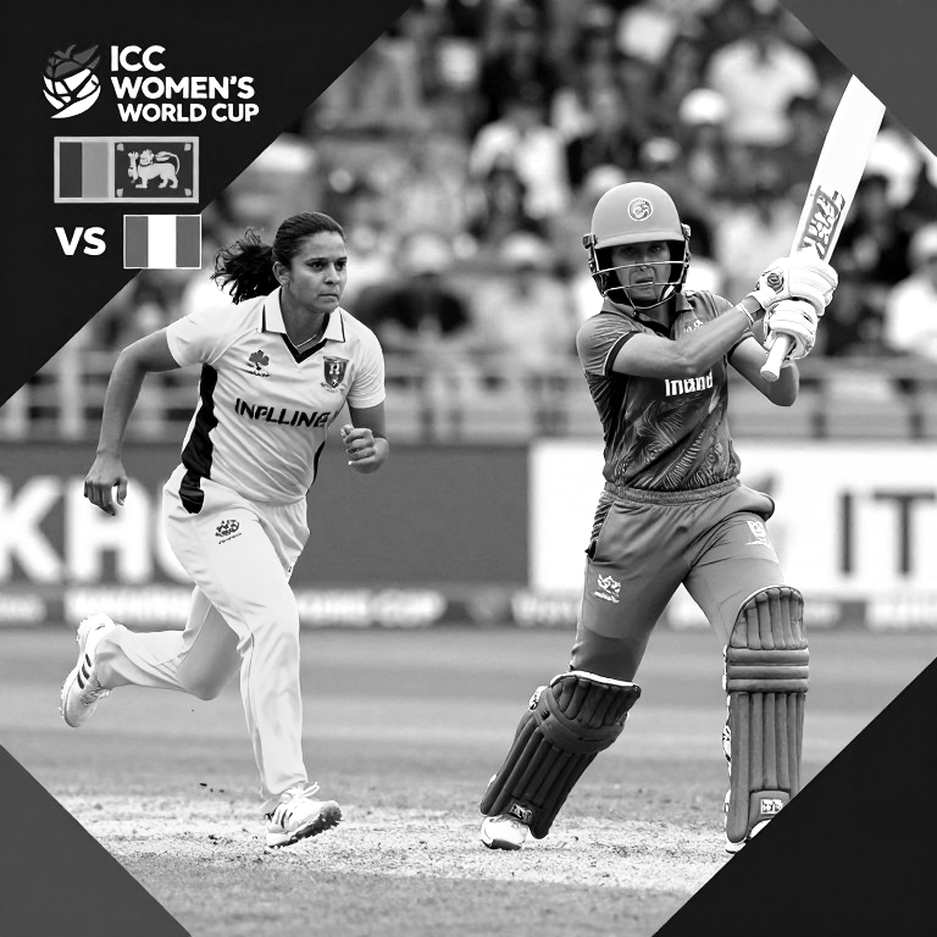
The day's actual frame looks like this. Teague Wyllie, over from Western Australia, made 64 — his first half-century for his new state — Caleb Jewell 46, Jordan Silk 37. Three starts, none converted, and Tasmania sat at 5-182. Then Brad Hope and Jake Doran put on 153 unbroken for the sixth wicket.
That partnership is the thing the headline should have been about.
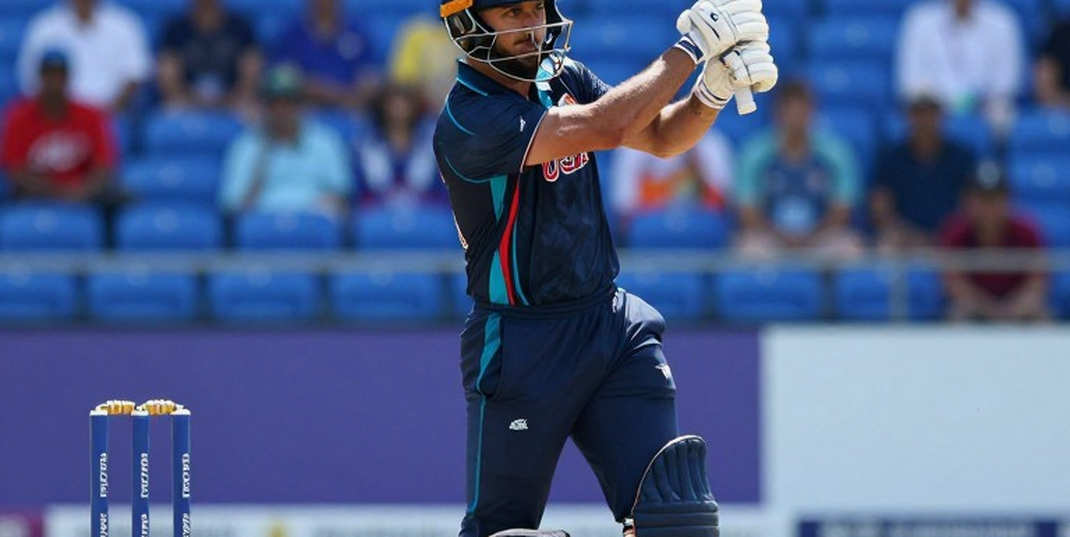
What world this match belongs to
The Sheffield Shield is Australia's domestic first-class competition — four days, two innings, no powerplay, no death overs, no DLS. It is not Test cricket, and reading its numbers through a Test or T20 frame is the basic error. The four-day format has one hard consequence: the follow-on threshold is 150 runs, where a five-day Test uses 200 (Law 14). The home side has less time and a bigger lever.
Round 3, early in the season, a Friday start. Bellerive Oval is Tasmania's home ground; Hobart carries a seam-friendly reputation, but nothing in this scorecard confirms it on this day. A side that lost the toss and was sent in finished 5-335. The toss is not the explanatory variable here. What is left is New South Wales' bowling — its composition and its use.
One institutional thing has to be clear before the cricket. The Shield's economic job is not to make money; it is to make Test cricketers. There is no auction, no franchise, no transfer fee. Players move through state contracts and interstate transfers. Wyllie's Western Australia-to-Tasmania move is that market's transaction — redistribution without a price tag, one state giving first-team opportunity to a player another state could not fit.
And the selection clock is running behind this fixture. Cameron Green and Josh Inglis are returning to fitness ahead of the third Test; Maddinson has been sent home from the Test tour. That is the ordinary, non-adversarial channel through which the national and domestic games feed each other — and it is this match's real content.
Three starts, one stand, two speeds
5-182 is the kind of position the scorecard calls a rescue and the game calls a wobble. Here the rescue came after three starts, not after three wickets.
Hope: 83 off 145, strike rate 57.2. Doran: 69 off 99, strike rate 69.7.
A first-class top-order par sits around 45 to 55. Both are above it, and they are different from each other. That gap is the single most informative number in this report.
Two blockers at 40-45 hand the bowling side six hours of the same rhythm. Two aggressors at 70 make the stand explosive and risky. A pair at 57 and 70 says something else: one batter came to absorb, the other came to change the tempo. From a captain's chair that is the hardest thing to bowl at, because one plan cannot hold both.
The boundary split confirms it: 22 fours between them, at least 88 runs, at least 58 percent of their 152. Rescue stands in first-class cricket usually run 40 to 55 percent boundaries. This was not a blockathon; New South Wales were being scored off while the recovery was happening.
The day's team run rate lands near 3.7 an over, above the Shield's day-one par of roughly 3.0-3.4 — with the caveat that exact overs-per-day is not in the source, so treat it as direction, not proof.
One arithmetic detail is worth logging. 83 plus 69 is 152, but the stand is recorded at 153; a single extra sits inside the partnership. Trivial, unless you are the sort of person who argues with scorecards, in which case trivia is the whole job.
Now the other side's truth. The report itself notes that Jake Scott "had the most luck" of the NSW bowlers, his two wickets coming from an edge and a return catch. Result and process are pointing in different directions: Scott probably beat the bat more than his figures say. If selection reads this match off the scorecard, it is reading edges, not quality.
And the structural headline: New South Wales used seven bowlers on day one of a four-day match. Seven options on the opening day is not rotation, it is either a forced hand or an imbalance. The seventh was a 34-year-old part-time spinner who went for 31 in eight overs without a wicket. That is a captain's emergency option, not an all-rounder's role — so do not bank his bowling as dual value.
Silk fell LBW to Abbott at 5-182, the innings' floor. What follows that floor is written above.
The "control" is one partnership deep
Three disagreements with the framing.
One: 5-335 is a strong score, not a strong innings. The difference matters. An innings built on three starts and carried by one unbroken stand is borrowing from two batters. If Hope and Doran go in the first hour on day two — and first-class history is full of overnight fifties that add fifteen and end — the innings folds near 380 and the match reopens. The "500 nudge" is a possibility, not a position.
Two: the Maddinson redemption arc. The catch is genuinely superb and should not be diminished. But a single fielding event cannot be the unit of assessment when the same player's bowling read 0-31 and his batting has not begun. At 34 the batting window is closing, and Green and Inglis returning to fitness lengthen the queue rather than shorten it. His route back is someone else's injury, not his own form.
And the most-quoted number — 48, 0, 0, 8, fifty-six runs at 14.00 across four Test innings — is a sample that proves nothing in either direction. Two of those four dismissals could be unplayable; the 48 could be streaky. "Finished" and "recalled" are equally hollow on four innings. Wait for a full innings, then argue.
Three, and this one is about media rather than cricket. This report exists because a dive happened. Shield visibility runs on events, not on property — Australian domestic cricket's advertising value sits with the BBL, not with a four-day round robin. Nobody archives the games nobody thought to broadcast. A seam ball and a diving catch both happened on this day; which one survives the archive is not a cricket decision.
The first hour of the next morning
I have watched this day twice — once on a feed that kept stopping mid-over, once on a scorecard that reads in one sitting. They told different stories. The feed showed me the catch; the scorecard showed me the stand. The real match is the scorecard one.
Four things to watch in the next twenty-four hours, and nothing else.

First, Tasmania's score at the fall of the sixth and seventh wickets. Below 400 and New South Wales are back in this match, whatever tonight's scorecard says. Past 450 and the 150-run follow-on line becomes real pressure — and NSW's seven-bowler problem gets more expensive in the second innings.
Second, the bowler count in NSW's second innings. Seven again, and what I called an imbalance stops being an opinion and becomes a diagnosis.
Third, Maddinson's batting. That is his actual examination. The catch is not.
Fourth, whether Green and Inglis are named in the third Test XI. If they are, the door narrows for every Shield run-scorer in the country.
I am adding this day's line to the three-hundred-player file I keep, and the line starts with a question rather than a score: if Hope and Doran add ten and get out tomorrow morning, what will the record of this match say — "Tasmania made 335 for 5", or "Tasmania collapsed for 345"? The answer depends on who is writing. The catch will always be written. Somebody will have to open the scorecard again to write the stand.