
Scott Boland’s Role: Omitted, but Still Important to Australia’s Test Plans
मुख्य उत्तर: स्कॉट बोलैंड का ऑस्ट्रेलिया के अगले टेस्ट से बाहर होना उनकी गेंदबाज़ी क्षमता का सीधा खंडन नहीं था; उपलब्ध विवरण के अनुसार चयनकर्ताओं ने तेज़ गेंदबाज़ी और विशेषज्ञ स्पिन के बीच टीम-संतुलन के लिए नाथन लायन को चुना। मुख्य तथ्य: - स्कॉट बोलैंड ने 20 टेस्ट में 87 विकेट लिए हैं। - दक्षिण अफ्रीका के खिलाफ दूसरे टेस्ट में बोलैंड ने 81 रन देकर 5 विकेट लिए। - मैच बचाने की कोशिश में बोलैंड ने नाइटवॉचमैन के रूप में 166 गेंदों पर 40 रन बनाए। - ऑस्ट्रेलिया ने अगले टेस्ट के लिए बोलैंड की जगह नाथन लायन को चुना; उपलब्ध विश्लेषण में स्पिन की जरूरत चयन का कारण बताई गई है। - उपलब्ध सामग्री में मैच-स्थल को लेकर सेंट जॉर्ज्स पार्क और न्यूlands, दोनों का उल्लेख है; स्थल की पुष्टि आवश्यक है। स्रोत: cricket.com.au पर आधारित उपयोगकर्ता-प्रदत्त विश्लेषण; प्रकाशन तिथि उपलब्ध नहीं। CricSultan डेटाबेस से स्वतंत्र पुष्टि नहीं की गई। संबंधित प्रश्न: प्रश्न: बोलैंड ने कितने टेस्ट विकेट लिए हैं? उत्तर: दिए गए आंकड़ों के अनुसार स्कॉट बोलैंड ने 20 टेस्ट में 87 विकेट लिए हैं। प्रश्न: बोलैंड की जगह किसे चुना गया? उत्तर: ऑस्ट्रेलिया ने नाथन लायन को चुना, क्योंकि टीम-संयोजन में विशेषज्ञ स्पिन को प्राथमिकता दी गई। प्रश्न: क्या बोलैंड की बल्लेबाज़ी ने उन्हें विशेषज्ञ बल्लेबाज़ सिद्ध किया? उत्तर: नहीं, 166 गेंदों पर 40 रन की पारी नाइटवॉचमैन की परिस्थितिजन्य भूमिका में धैर्य दिखाती है, विशेषज्ञ बल्लेबाज़ी क्षमता नहीं।
Scott Boland took five wickets for 81 runs in the second Test against South Africa. Later, as Australia tried to save the match, he occupied the crease as nightwatchman and made 40 from 166 deliveries. Australia then left him out of the next Test and selected Nathan Lyon. Put those events together: an effective bowling performance, a patient innings, and omission. The story is not simply that one performance went unrewarded. It shows how individual achievement and team-composition requirements can point in different directions in Test cricket.

One qualification matters. The supplied account gives conflicting venue references: St George’s Park appears in one place and Newlands in another. Without resolving that discrepancy, it would be unwise to make firm claims about the specific pitch or ground. What is clear is that spin was a significant selection consideration and Lyon came in for Boland. Linking the decision to the character of a particular venue without confirming it would be speculation.
Boland’s record does not support dismissing him as merely a useful reserve. The supplied figures say he has taken 87 wickets in 20 Tests. Dividing those figures gives 4.35 wickets per Test; that is neither a bowling average nor wickets per innings. It does, however, describe a substantial contribution across a relatively small number of appearances. His 5-81 in the second Test was a recent demonstration of that ability. A five-wicket haul in one innings cannot establish consistency across a series, or substitute for bowling-average and strike-rate data. Those figures are not available here, so no wider statistical claim is warranted.
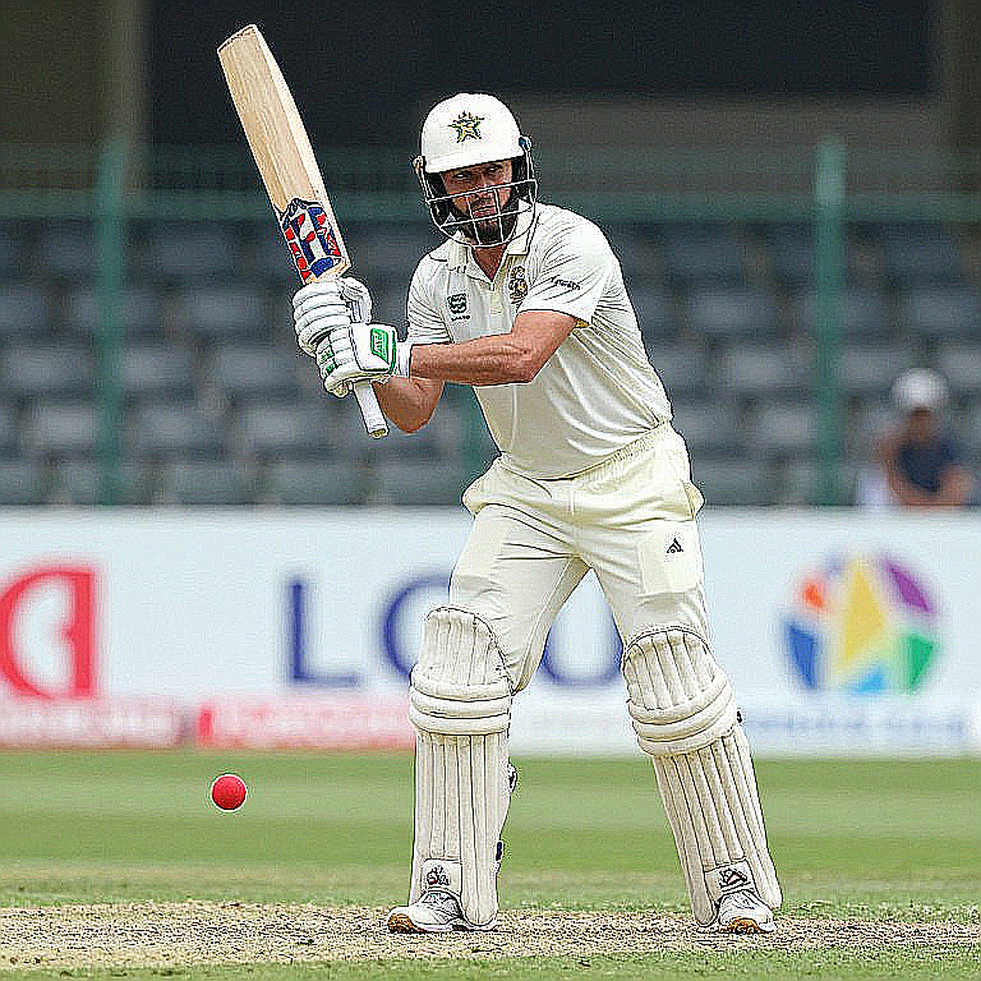
Boland’s omission looks less like a verdict on his bowling than a decision about role and balance within Australia’s attack. Pat Cummins, Josh Hazlewood and Mitchell Starc make competition for pace-bowling places unusually severe. Boland acknowledges that the three are ahead of him. That is not the language of surrender; it is a clear assessment of his position within the team. Selectors cannot consider only who took wickets in the previous innings. They must also decide how to balance pace and spin over five days, what options they need in different phases, and how to manage the available bowlers’ workloads.
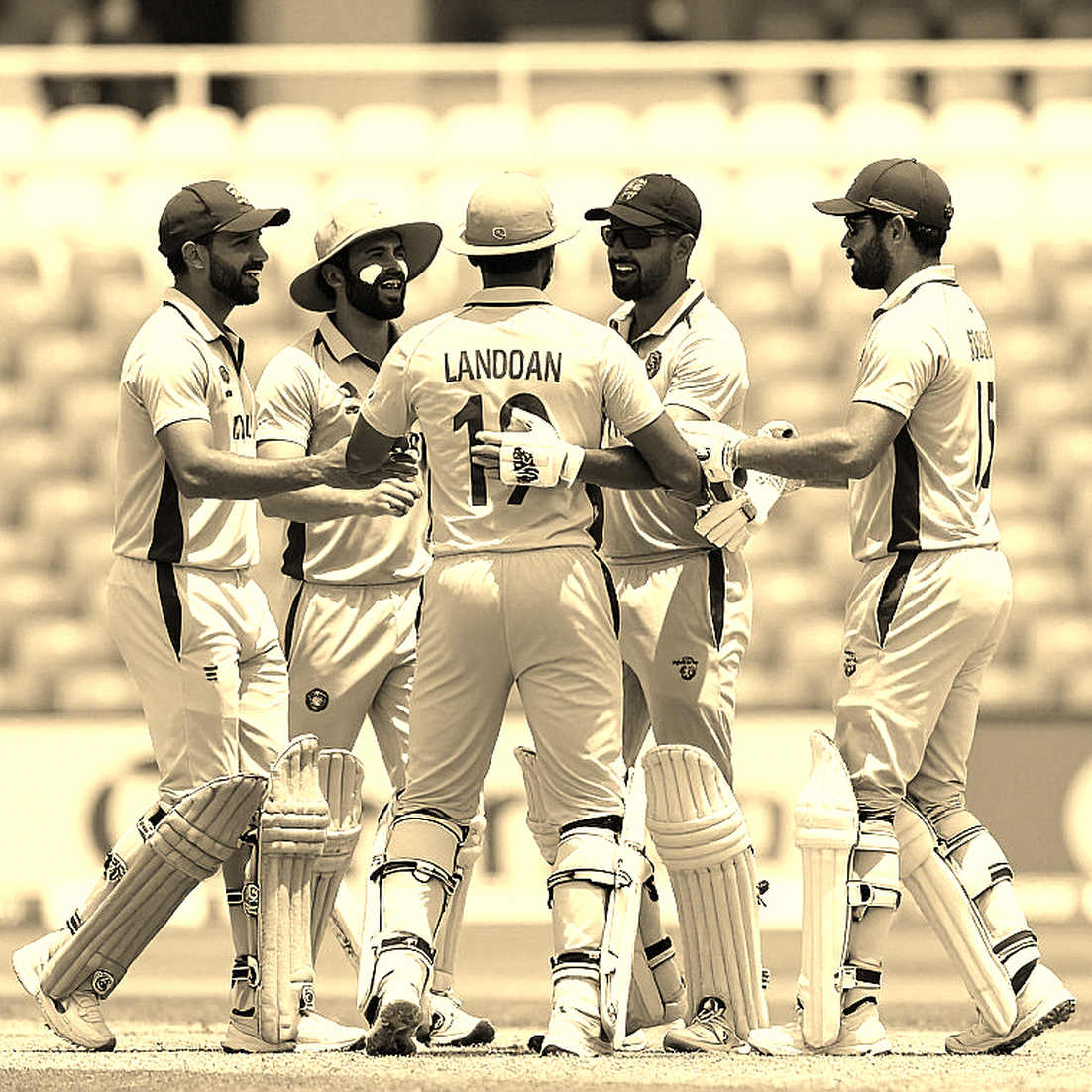
Selecting Lyon meant Australia preferred a specialist spin option to an additional fast bowler for that match. South Africa’s Simon Harmer took 6-16, showing how much influence spin could have in the contest. Harmer’s figures do not, by themselves, prove that Australia’s decision was right or wrong. The teams had different roles, plans and innings contexts. They do underline why spin could reasonably have been a serious selection consideration. A Test combination cannot be assessed only by the previous match’s wicket tally.
Boland’s batting showed another part of his usefulness. Forty from 166 balls is about 0.24 runs per delivery. That would look slow by limited-overs measures, but scoring quickly was not the task. A nightwatchman moves up the order late in the day to protect a specialist batter from a difficult period. Boland left balls, spent time at the crease and extended Australia’s attempt to save the match. The innings does not make him a specialist batter. It shows that, in Test cricket, a lower-order contribution can be measured in time and wickets preserved as well as runs scored.
In my match-watching, I have repeatedly found that a scorecard compresses the work a player has done within the structure of a game. In Boland’s case, 5-81 and 40 runs represent two different jobs. The first shows wicket-taking ability; the second shows him executing a defined role under pressure. It is reasonable to say his contribution was multi-faceted. It would be a further leap to say he therefore had to be selected for the next Test. The available material does not include Australia’s full pitch assessment, the bowlers’ workloads or every selection option. Without those details, the reported rationale—that Lyon offered the spin role Australia wanted—is the soundest basis for interpreting the decision.
Australia’s pace depth is the essential context. With Cummins, Hazlewood and Starc ahead in the hierarchy, regular selection is difficult for Boland even with a strong Test record. His position is unusual: he is not trying to find an opening in a weak attack, but competing in a group that already contains three established fast bowlers. That changes the selection test. He must demonstrate his ability, but the selectors must also decide whether a particular match requires his style, an extra fast bowler instead of spin, or a different combination.
That is why “unlucky” is an incomplete description. Being left out immediately after taking five wickets can be disappointing, but a player’s performance and his place in the next XI are separate questions. One concerns what he did; the other concerns conditions, available resources and tactical balance. Boland’s performance strengthened his case. It does not establish that selecting Lyon was a mistake. A team of four fast bowlers may appear stronger on paper, yet prove less effective if the match calls for spin. Conversely, selecting an extra spinner can increase the workload on the pace attack. That is the trade-off inside the decision.
Workload adds another dimension. The supplied material points to a coming schedule of roughly 15 or 16 Tests in nine months, including four Tests against New Zealand. This is a projected programme, not a guarantee of player availability. Even so, fast bowlers will need to balance consecutive matches, travel and recovery. Boland expects that workload and minor physical issues may create opportunities. That is a practical expectation, but it would be too narrow to treat him merely as cover waiting for someone else to be injured. His value to Australia is that he can remain prepared to step in and help maintain the level of the attack.
At 37, that calculation becomes more delicate. Boland says his body feels good and that he wants to play Test cricket for as long as he can. This is useful evidence of his current outlook, not a guarantee of future fitness. With fast bowlers, recovery, availability and the ability to play repeatedly deserve increasing attention as careers advance. The available information does not provide a detailed injury history, so it cannot support a claim that he has a current problem. The risk is prospective: if the schedule is demanding, Australia must decide when to play him, when to rest him and how to keep him match-ready.
Boland has also credited the medical and coaching staff with helping his preparation. That point often sits behind the individual-player narrative, although preparation during periods outside the XI can determine whether a return is successful. A fast bowler is not prepared only on match day. Training, recovery and controlled bowling work have to leave him ready to contribute when an opening arrives. Boland’s comments put the staff’s role in view. They do not establish that his preparation is better than another player’s; the supplied material offers no such comparison.
Reading Boland’s situation only as selection disappointment would simplify Australia’s planning. He has 87 Test wickets, took five in the recent match and faced 166 balls in a bid to save it. Australia still selected a specialist spinner. That is not a contradiction; it is a familiar tension in Test selection. A player can perform his role well while the next match’s requirements place greater weight on a different skill.
The counter-intuitive reading is that Boland’s omission need not signal reduced value; it may point to the need to use that value at the right time. If Australia selects him according to conditions and workload rather than asking him to play continuously, it may manage both his experience and his age more effectively. That policy works only if his match-readiness is maintained while he is out of the XI. If he has too little time to regain rhythm when an opportunity comes, the benefit of rotation diminishes. The question is therefore not only whether Boland plays the next Test. It is how the team keeps him competitive and prepared between appearances.
The coming New Zealand series will be the next test of that approach. Selection should be read against the pitch, the opposition, the fast bowlers available and the workload carried from previous matches. If Boland plays, his bowling quality, distribution of overs and impact in key phases will matter. If he is left out, the relevant questions are which combination Australia chose and whether the decision had a clear tactical rationale. Another five-wicket haul will not answer everything. The real measure will be whether Australia keeps Boland as an option called upon only when needed, or develops a defined and sustainable role for him within its pace-bowling plan.