
No Match, No Verdict: The First Requirement of Cricket Analysis
मुख्य उत्तर: उपलब्ध सामग्री से किसी मैच, खिलाड़ी, टीम, लीग या क्रिकेट विवाद का विश्वसनीय विश्लेषण संभव नहीं है, क्योंकि मूल लेख और सत्यापित तथ्य दिए नहीं गए हैं। मुख्य तथ्य: - Stage-2 समीक्षा में मूल लेख, स्रोत और सूचना बिंदु अनुपस्थित हैं। - प्रारूप, टीम, खिलाड़ी, स्कोर और मैदान की पहचान नहीं दी गई। - प्रदर्शन, रणनीति, रैंकिंग और वाणिज्यिक निष्कर्ष निकालने का आधार नहीं है। - सूचना-विश्वसनीयता का जोखिम ऊंचा है; यह किसी वास्तविक खेल या वित्तीय खतरे का प्रमाण नहीं। स्रोत: उपयोगकर्ता द्वारा प्रदान की गई Stage-2 Deep Cricket Analysis; प्रकाशन तिथि उपलब्ध नहीं। संबंधित प्रश्नोत्तर: प्रश्न: विश्लेषण पूरा करने के लिए क्या चाहिए? उत्तर: मूल लेख, लेखक और प्रकाशन तिथि के साथ टीम, खिलाड़ी, मैच और स्रोत-संबंधी विवरण चाहिए। प्रश्न: क्या किसी खिलाड़ी या टीम के बारे में निष्कर्ष निकाला जा सकता है? उत्तर: नहीं, क्योंकि सामग्री में खिलाड़ियों, टीमों या प्रदर्शन के आंकड़ों की पहचान नहीं है। प्रश्न: क्या ऊंचा सूचना-जोखिम किसी उल्लंघन या खतरे को दर्शाता है? उत्तर: नहीं, यह केवल स्रोत-सामग्री की कमी और दावों को सत्यापित न कर पाने को दर्शाता है।
Sometimes a match opens up through a small detail: the runs on the scoreboard, a bowler changing their line, or the disappointment on a player’s face on the walk back to the pavilion. None of those details is available here. There is no score, venue, or team name. The clearest fact in the material provided for analysis is that the original cricket article and its evidence are missing. Writing a result in those circumstances would be invention, not reporting.
The supplied Stage-2 assessment lists eight areas for investigation: match tactics, player performance, team composition, league economics, rules and governance, risk, public narratives, and the cricket industry’s wider effects. It withholds conclusions in every area because the relevant information is absent. That absence does not indicate that a team is weak or a player is out of form. It means only that the material to be examined has not been provided.
In cricket, context matters as much as the figures. The value of the six powerplay overs in a T20 match cannot be read in the same way as an ageing ball in the fourth innings of a Test. A batter’s strike rate has limited meaning without the format, role, and match situation. A bowler’s economy is shaped by the pitch, boundary dimensions, dew, and opposition. Here, there is no format, score, innings, wicket, over, or playing condition. Any conclusion about a chase, toss, pitch, or pressure would therefore be unstable.
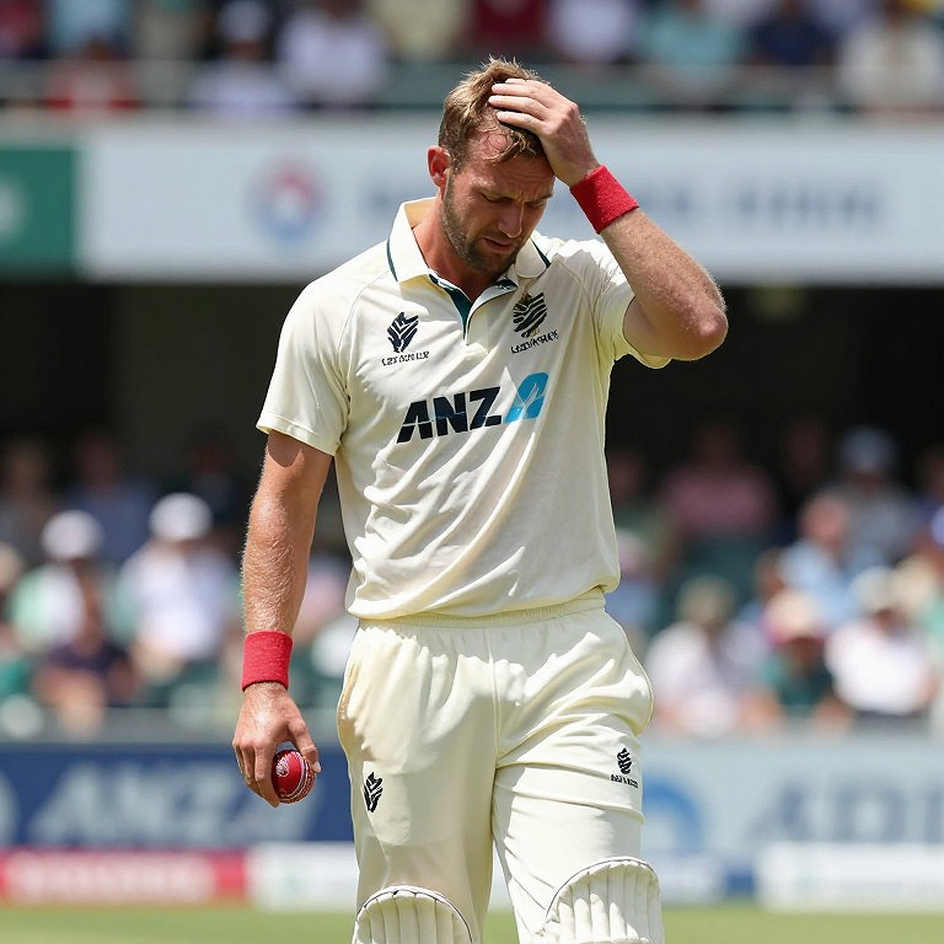
The central finding is about evidence, not cricket: analysis must stop where the available facts stop. The supplied document names no player and offers no performance figures. Discussing technique, form, injury, workload, age, or selection would mean making claims about an unidentified person. The risk of a small sample cannot be assessed either, because no sample has been supplied.
Without the team and competition, rankings, home-and-away records, bench strength, and rivalry history cannot be evaluated. A domain label suggesting cricket is not enough to establish whether the subject is an international match, a domestic tournament, or a franchise league. Selection, resources, and performance standards can differ across all three. Calling a team strong or unbalanced becomes meaningful only when its players, roles, and competition are known.
The same discipline applies to commercial and governance questions. The material identifies no league, auction, salary, broadcast rights, or transaction. It cannot support a view on a player’s price, a franchise decision, or a conflict with national duties. Nor is there evidence of a dispute involving DRS, DLS, eligibility, or corruption. Any serious allegation would need to be checked against the original report and official records before being repeated.
This caution does not weaken a report; it defines its limits. It is easy to fill an empty space with a guess, especially when readers expect a major match or a famous player. But a cricket-related label does not prove that a particular match took place, that a decision was controversial, or that a player produced an extraordinary performance. Turning an unidentified event into a familiar cricket story creates misleading certainty, not information.
After years of watching matches from the boundary, one thing becomes clear: a statistic speaks only when we know the circumstances in which it was made. Forty runs in a small chase and forty runs while pursuing a target of 300 may sit on the same line, but they do not carry the same pressure. Separating a bowler’s four-over economy from wickets, batting order, and pitch conditions also removes a necessary part of the story. The material here offers no route to that context.
Public discussion often assumes an analyst must deliver a verdict in every case. The useful signal in this document points the other way: sometimes the most responsible conclusion is that a verdict is not yet possible. The assessment marks information reliability as a high risk, but that is not evidence of a sporting, financial, or regulatory threat. It describes the lack of source material. Conflating those points could give readers a false warning.
The next step is to obtain the original article, its author, and its publication date. The names, scores, and claims in it can then be checked against official competition records and independent statistical sources. Only after that can format-specific performance, tactics, and risks be assessed. If the article rests on a dispute or financial claim, the primary document supporting that claim will also be needed. Giving each conclusion a source and a confidence level would let readers distinguish fact from interpretation.
For now, the most important line on the scorecard is not a team’s total but the missing source. The useful next move is not to guess a winner; it is to recover the original report. Once it is available, the cricket story can emerge: who applied pressure, who absorbed it, and which small decision shifted the match. Until then, restraint is not an empty response. It is part of the reporting.