
Major Input Gap in Cricket Analysis: Why Producing a Sports Report Without Source Information Is Risky
मुख्य उत्तर: उपलब्ध Stage-2 विश्लेषण में मूल क्रिकेट समाचार, मैच, खिलाड़ी, टीम और सत्यापित आंकड़े अनुपस्थित हैं। इसलिए वास्तविक क्रिकेट रिपोर्ट तैयार करने से पहले Stage-1 डेटा दोबारा प्राप्त करना आवश्यक है। मुख्य तथ्य: - मूल लेख का शीर्षक और स्रोत उपलब्ध नहीं हैं। - सूचना बिंदुओं का खंड पूरी तरह खाली है। - आठों विश्लेषणात्मक आयामों का तथ्यात्मक मूल्यांकन संभव नहीं है। - किसी खिलाड़ी, टीम या टूर्नामेंट का नाम सत्यापित नहीं है। - प्रकाशन से पहले मूल स्रोत और आंकड़ों की पुष्टि आवश्यक है। स्रोत: उपयोगकर्ता द्वारा प्रदान किया गया Stage-2 Deep Analysis दस्तावेज, 9 नवंबर 2026। स्वतंत्र मूल समाचार स्रोत उपलब्ध नहीं है। CricSultan डेटाबेस से क्रॉस-चेक नहीं किया गया। संबंधित प्रश्न एवं उत्तर: Q: क्या उपलब्ध विश्लेषण के आधार पर मैच रिपोर्ट लिखी जा सकती है? A: नहीं, क्योंकि मैच, स्कोरकार्ड और प्रदर्शन संबंधी कोई सत्यापित जानकारी उपलब्ध नहीं है। Q: पूर्ण क्रिकेट विश्लेषण के लिए कौन-सी जानकारी आवश्यक है? A: मूल लेख, स्रोत, लेख का प्रकार, सूचना बिंदु और संबंधित खिलाड़ियों तथा टीमों के नाम आवश्यक हैं। Q: अगला उचित कदम क्या है? A: Stage-1 डेटा दोबारा निकालकर उसकी तथ्यात्मक पूर्णता और स्रोत की विश्वसनीयता जांचनी चाहिए।
Cricket Reporting Begins With Evidence: Why an Empty Analysis Cannot Support a Sports Story
Sometimes the most important finding in cricket journalism does not come from a scorecard, an individual performance or a team's tactical decision. It comes from recognising that the available information is incomplete. The Stage-2 analysis supplied here presents precisely that situation. It contains a framework covering eight dimensions of cricket analysis, but it provides no verifiable information about an original news report, match, player, team, tournament or commercial development.
For me, cricket analysis begins with a simple question: what actually happened? Only then does it make sense to examine which team gained an advantage in the powerplay, where the scoring rate changed between overs 11 and 40, and whether the batting or bowling decisions in the final overs were effective. The information needed to answer those questions is missing here.
The central problem: An analytical framework without evidence
The Stage-2 document covers match analysis, player performance, team structure, the commercial ecosystem, cricket governance, risk assessment, public narratives and the wider cricket industry. This framework could support a substantial sports analysis. The problem lies in the missing source material, not in the structure itself.
The original article title is unavailable. Its source is unidentified. There is no classification indicating whether the original material was a match report, tournament preview, player-performance analysis or commercial story. Most importantly, the information-points section is empty.
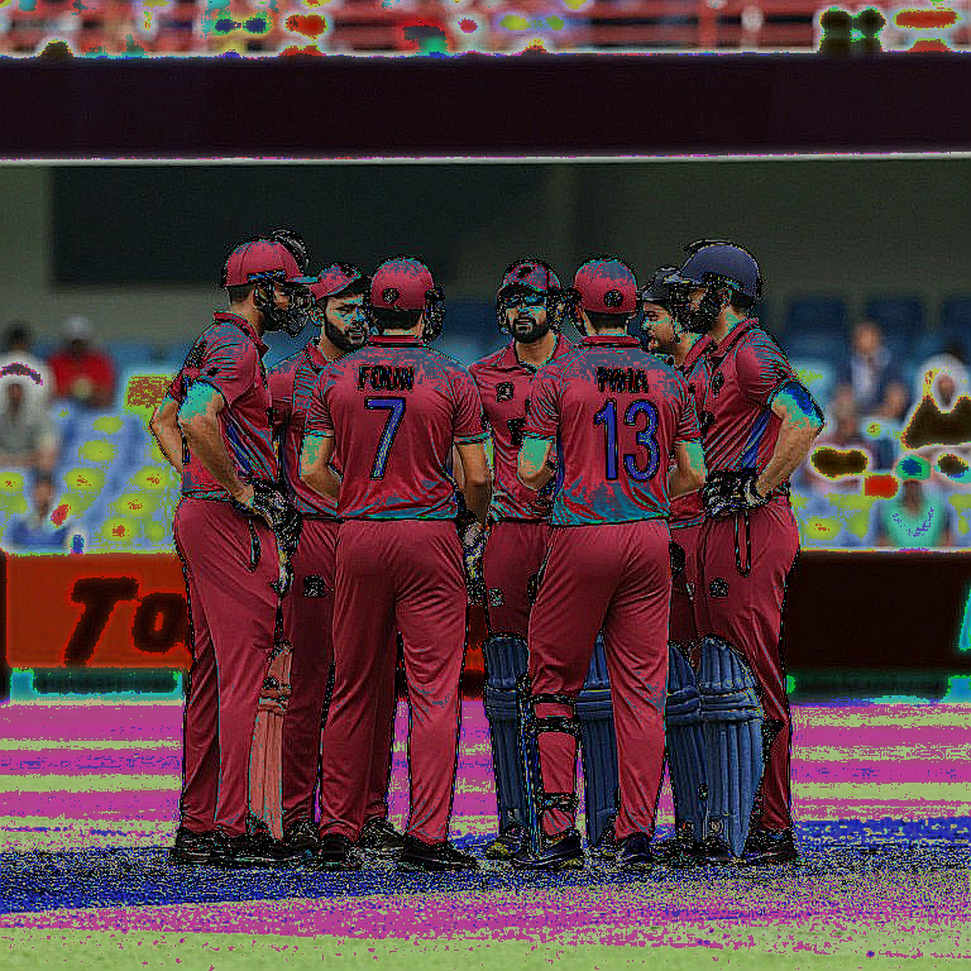
That means even naming a team or player would require an unsupported assumption. The meaning of a cricket statistic changes according to format, circumstances and role. A strike rate of 140 in T20 cricket cannot automatically be evaluated using the same standards applied to the middle overs of a one-day international. A Test bowler's economy rate also cannot be judged by T20 benchmarks. Without knowing the format, there is no sound basis for evaluating performance.
Match analysis: Strategy cannot be judged without a scorecard
The real story of a cricket match is rarely contained in the final score alone. The opening phase, strike rotation in the middle overs, timing of wickets and runs scored at the end collectively explain how the contest developed. Pitch conditions, boundary dimensions, weather, dew and the toss can also influence the result.
For example, a target of 260 in a 50-over match can represent very different challenges under different conditions. On a flat pitch with short boundaries, it may be below par. On a slow surface, the same total could be difficult to chase. Similarly, a T20 total of 180 can only be evaluated properly by separating powerplay, middle-over and death-over performances.
No match score, target, wicket sequence or over-by-over account appears in the supplied document. It is therefore impossible to reach a responsible conclusion about a team's victory or defeat, the effectiveness of a batting order or the quality of a bowling combination.
The result is visible, but the process that produced it is the real subject of cricket analysis. Without the evidence describing that process, the verdict must wait.
Player performance: Statistics need a name, role and context
Evaluating a player requires more than looking at an average or strike rate. A batter's position, responsibility, opposition bowling attack and match situation all define the role in which the performance must be understood.
An opener may be expected to take calculated risks during the powerplay, while a batter at number five or six may be required to maintain the scoring rate under pressure. Similarly, a spinner's value cannot be measured only by wickets. Controlling runs in the middle overs, forcing batters into mistakes and supporting an attacking bowler at the other end are also important contributions.
The document contains no player names, batting averages, strike rates, bowling economies, recent form or situational splits. It would therefore be inappropriate to describe a player as being in form, question a selection decision or claim that a particular technical weakness has emerged.
Years of watching matches and studying cricket statistics have reinforced one lesson: a statistic separated from a player's role often tells the wrong story. Thirty-five runs from 30 balls may be valuable or damaging depending on the match situation. To assess the contribution, we need to know the wickets remaining, balls available and required scoring rate.
Team structure: Assessing the second XI requires the selection list
A team's strength in international cricket is not determined solely by its leading players. Bench quality, alternative batting options, the availability of fast bowlers and the variety of spin resources can become decisive over a long tournament.
Repeated failures should not automatically be attributed to mental pressure or confidence. Analysts must also examine the number of players available for similar roles, the replacements available when injuries occur and the balance created by selectors.
However, the supplied material identifies no team, ICC ranking, home or away record, squad or selection decision. Its batting depth, bowling combination, age profile and bench strength cannot be assessed.
Understanding a team's weakness requires more than examining a failed innings; it requires examining the selection and role decisions behind that innings. That investigation needs an actual squad list and match context.
The commercial side of cricket: Auction and league evidence is missing
Modern cricket is shaped by decisions beyond the boundary. Broadcasting rights, franchise valuations, player contracts, auction spending and the supply of talent from domestic cricket all influence the long-term structure of the sport.
In competitions such as the Indian Premier League, an auction price cannot be understood solely through an individual's talent. Available purse, intended role, overseas-player restrictions, domestic alternatives and the franchise's broader strategy also matter.
Likewise, evaluating an expensive signing requires examining the contract alongside actual contribution and availability. Declaring an investment unsuccessful after one poor performance would be an inadequate assessment.
The supplied analysis contains no league, franchise, contract, auction or broadcasting information. It cannot support conclusions about the commercial cricket market or the financial strategy of a particular team.
Cricket governance and rules: No identifiable controversy
Cricket administration involves player eligibility, selection processes, revenue distribution, anti-corruption systems and playing regulations. A change in rules can influence much more than the immediate result on the field. It may affect team strategies, player preparation and the commercial structure of a competition.
Analysing a regulatory change requires its official implementation date, the competitions affected and the differences from the previous rules. Reporting an administrative dispute requires verification through the relevant board, official statements and reliable documentation.

No board, administrative decision, regulatory dispute or disciplinary action is identified here. Accusing an organisation, questioning a player's eligibility or describing a rule as controversial would therefore be unsupported.
Risk and public perception: The subject of the story must be identified
Risk in sports journalism exists at several levels. Injuries and poor form can create sporting risks. Unclear selection and responsibilities can challenge team management. Contractual and broadcasting issues can affect commercial operations. Rules and integrity concerns can create administrative risks.
The difference between public perception and actual performance is equally important. A player's social-media popularity does not prove tactical value. Online discussion about a franchise does not establish its commercial performance. Criticism following a single defeat cannot represent a team's entire tournament campaign.
But the document includes no public reactions, audience figures, media reports, social-media indicators or risk signals. It is impossible to determine whether a cricket narrative is gaining momentum, whether frustration is spreading or whether expectations have moved beyond actual performance.
The cricket industry's transmission chain: No starting event, no measurable impact
The cricket industry operates as an interconnected system. Youth development creates talent. Domestic competitions provide competitive experience. National teams and franchise leagues offer larger platforms. Broadcasting, sponsorship, digital media and audience participation expand the sport's economic reach.
A major tournament scheduling change can affect broadcast windows, player availability and audience behaviour. A new league may create opportunities for domestic players while raising questions about international scheduling and workload. A major broadcasting agreement can influence advertising and digital distribution strategies.
Every such analysis needs an originating event. None is supplied here. The impact on broadcasting, the South Asian cricket market, talent development, investment or related commercial sectors cannot responsibly be estimated.
The editorial decision: This report should not be published as a cricket news analysis yet
The most important feature of the supplied document is its explicit recognition of its limitations. It records insufficient information across all eight analytical dimensions. Despite having a comprehensive framework, it does not turn missing information into factual conclusions. That restraint matters in sports journalism.
It is easy to make a report longer by adding imaginary matches, statistics or player names. Such material would mislead readers and damage the publication's credibility. A report's value comes from its evidence and analytical quality, not its word count.
For me, an honest digital report receiving 158 impressions is more useful than a lengthy article filled with statistics that have not been verified. Years of watching matches have also taught me that experience becomes meaningful only when connected to scorecards and circumstances. Whether watching a match at 2:30 a.m. in Gachibowli or following it remotely, the method remains the same: establish what happened before deciding what it means.
Sometimes the most responsible editorial decision is to stop a story from moving forward. That is the appropriate decision here. The original Stage-1 extraction must be repeated. It should identify the article title, original source, article type, factual information points and the relevant players, teams or organisations. Only then can the appropriate dimensions be selected from the eight-part framework.
The next step: The cricket story begins after the facts arrive
The first task should be to identify the original report and assess the reliability of its source. If the material concerns a match, the scorecard, over-by-over performance, pitch and conditions should take priority. If it concerns a player, role, format and recent statistics must be compared. If it concerns an auction or franchise, official contract and financial information should be verified. Administrative reporting requires relevant board documents and official statements.
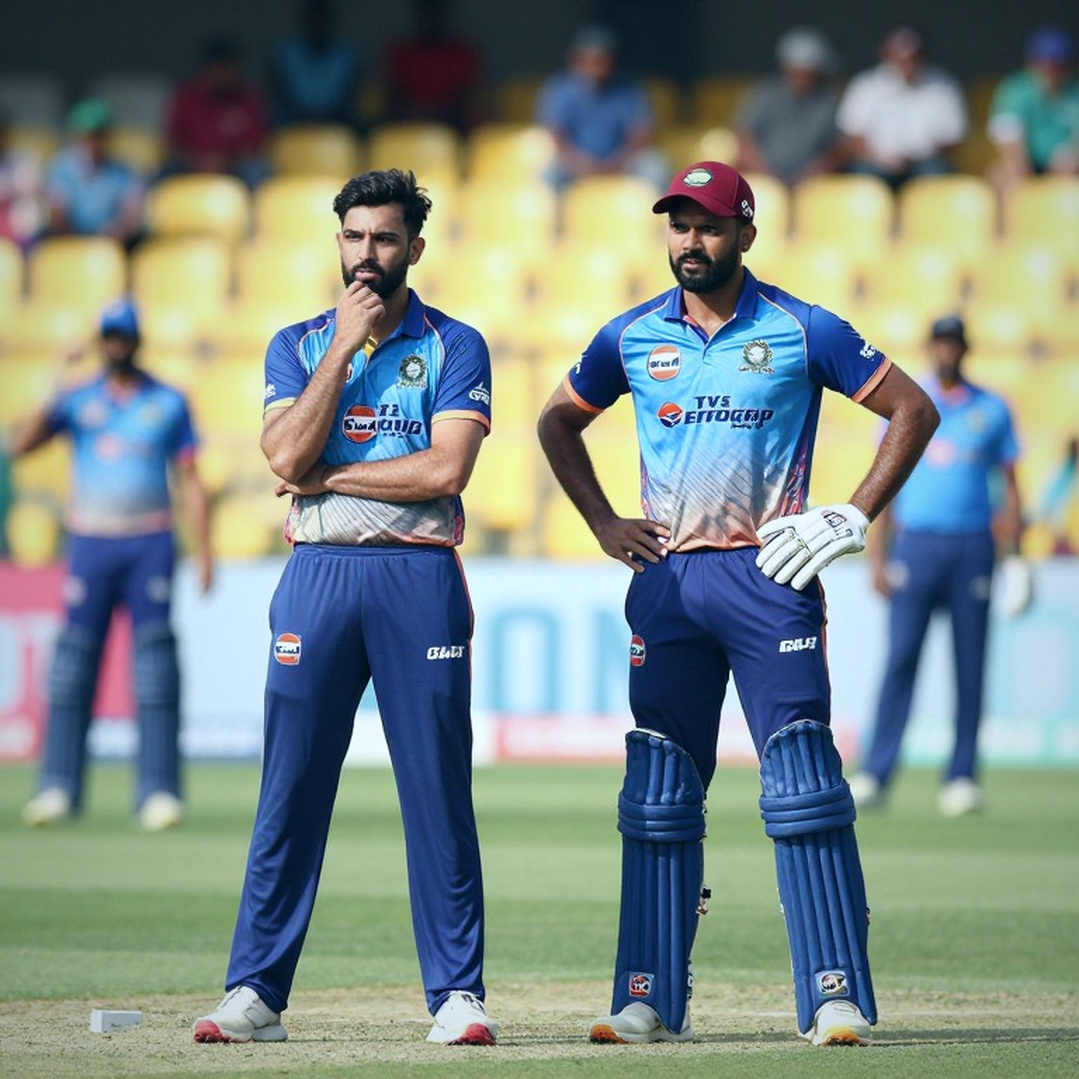
Only after these checks can a complete report connect the opening phase, middle-over strategy, closing performance, selection questions and potential future consequences.
The next major cricket story may begin with a spectacular shot, a wicket or an auction bid. Understanding it, however, must begin with a verified fact. Once the Stage-1 information is recovered, this document can be transformed into a genuine cricket news analysis. Until then, the only defensible conclusion is that the available information is insufficient to substantiate a sporting claim.