
Sandpapergate: Khawaja's Book Is the Invoice Cricket Australia Has Never Paid
**कोर जवाब:** सैंडपेपरगेट पर उस्मान ख्वाजा की किताब 'सब्र' ने जवाबदेही की बहस को प्रक्रिया के सवाल में बदल दिया है: अगर मूल जांच में ख्वाजा से पूछताछ नहीं हुई, तो क्रिकेट ऑस्ट्रेलिया का 2018 वाला रिकॉर्ड अधूरा है। **मुख्य तथ्य:** • मार्च 2018 के केप टाउन टेस्ट में बॉल-टैम्परिंग सामने आई; स्मिथ और वार्नर पर 12 महीने, बैनक्रॉफ्ट पर 9 महीने का प्रतिबंध लगा। • ख्वाजा का दावा है कि मूल जांच में उनसे पूछताछ नहीं हुई; क्रिकेट ऑस्ट्रेलिया ने इस पर स्पष्ट बयान नहीं दिया। • लेहमैन और स्टार्क इनकार पर टिके हैं; सायर्स ने ख्वाजा और वार्नर का समर्थन किया; स्मिथ और बैनक्रॉफ्ट चुप हैं। • ख्वाजा की किताब 'सब्र' के साथ इंस्टाग्राम वीडियो और एबीसी इंटरव्यू आए, जिससे टाइमिंग पर सवाल उठे। **स्रोत:** उस्मान ख्वाजा की पुस्तक 'सब्र' और एबीसी इंटरव्यू पर आधारित कमेंट्री; प्रकाशन तिथि उपलब्ध नहीं। **संबंधित प्रश्न-उत्तर:** प्रश्न: क्या ख्वाजा ने किसी खिलाड़ी का नाम लिया? उत्तर: नहीं, ख्वाजा ने सामूहिक जिम्मेदारी की बात की और किसी साथी पर सीधा आरोप नहीं लगाया। प्रश्न: क्या क्रिकेट ऑस्ट्रेलिया ने जांच का दायरा सार्वजनिक किया? उत्तर: उपलब्ध सामग्री में ऐसा कोई स्पष्ट बयान नहीं है; यही इस मामले का सबसे बड़ा खुला सवाल है। प्रश्न: अगला ट्रिगर क्या हो सकता है? उत्तर: डेविड वार्नर की किताब या स्मिथ-बैनक्रॉफ्ट का खुलासा अगली बड़ी कड़ी हो सकता है।
In March 2026 at Newlands, Cape Town, when the camera caught Cameron Bancroft with sandpaper in his hand, Cricket Australia's biggest problem was not the sandpaper. The real problem was that the board turned accountability into a neat disciplinary decision and assumed the story was closed. Eight years later, Usman Khawaja's book 'Sabr' is knocking on that closed door. My hot take is simple: this argument is no longer about truth; it is about process. The question is not who rubbed sandpaper — that has been punished. The question is who the investigation never asked. And if Khawaja's claim that he was not interviewed is true, then Cricket Australia's 2026 investigation stood on an incomplete record.
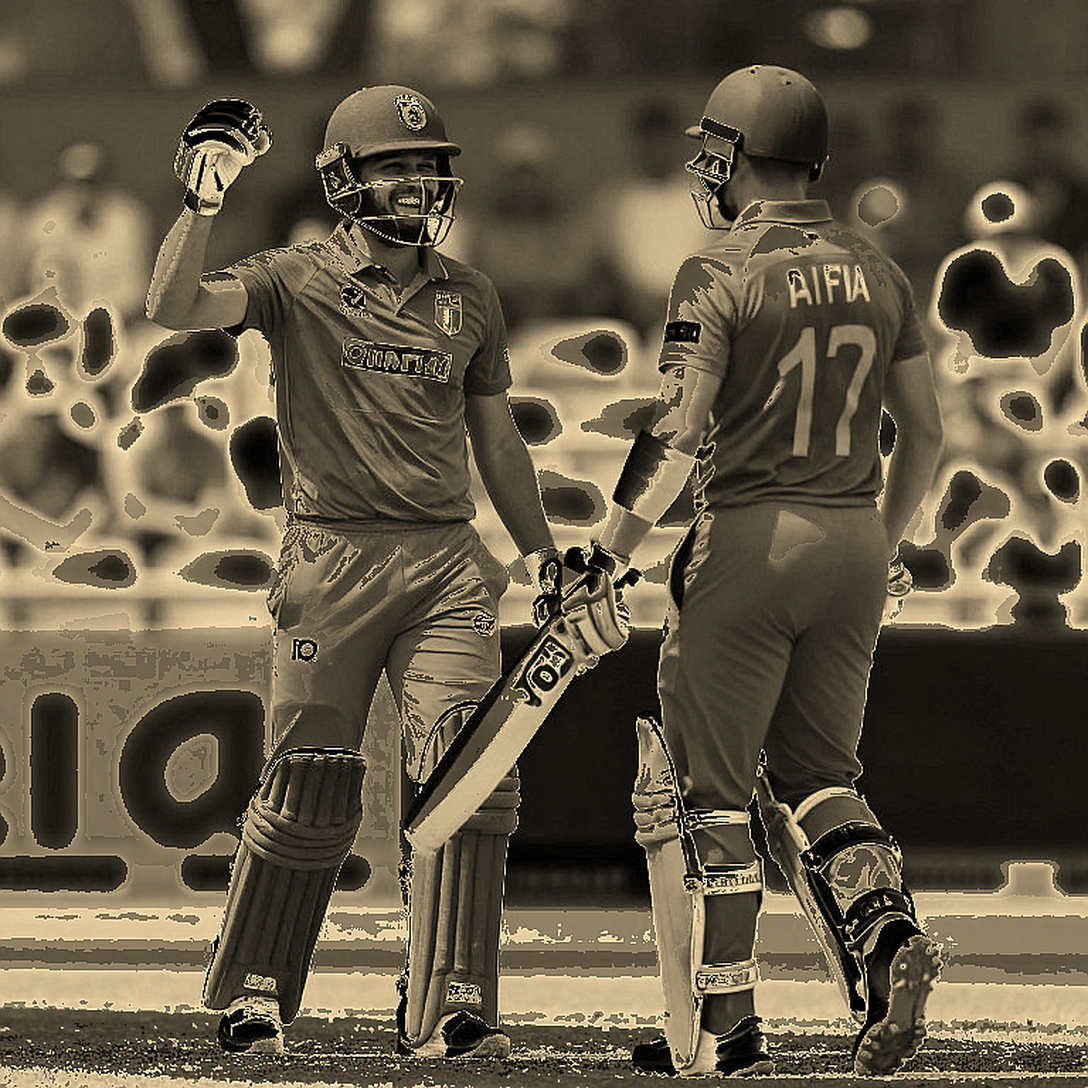
I watched that Cape Town Test in March 2026 on a 32-inch TV in a rented flat in Hyderabad. What was on screen was a ball-tampering scandal; what was not on screen was the pressure of a Test series, the helpful Newlands surface, and the smell of reverse swing that can push any captain toward a wrong call across five days. Ball-tampering is one of cricket's oldest grey-zone habits; Law 41.3 and Article 2.14 of the ICC Code of Conduct punish it. At the time, Steve Smith and David Warner received 12-month bans and Bancroft nine months. The sanctions were calibrated for Test cricket, because reverse swing is a strategic weapon in the longest format and its effect across five days can change a whole series.
At Newlands, when cloud cover sits on the ground, the ball can seam and reverse. In Test cricket, that is exactly where a captain chasing a quick result can choose a dirtier weapon over a legitimate one. That is not an excuse; it is context. The size of the punishment was also set by that context: a 12-month ban is among the most expensive years of a Test cricketer's career.
The mainstream consensus is clear: the punishment was served, the case was closed, so why bring up old news to sell a book? Khawaja opened three channels at once — an Instagram video, an ABC interview and a book. That timing creates suspicion. But suspicion about timing cannot replace facts.
Khawaja's line is that the Australians who were in Cape Town should share collective responsibility, even if they did not rub sandpaper themselves. In principle, that is not wrong. Any integrity code recognises hiding a teammate's offence, staying silent in the room, or letting the ball's condition change on a captain's signal as complicity. But Khawaja did not offer a tribunal. Collective responsibility without names, without a hearing and without a sanction is an accusation that can be neither proved nor called false. That is the real stalemate here.
Darren Lehmann and Mitchell Starc have maintained denial. Chadd Sayers has supported Khawaja and Warner. Smith and Bancroft are silent, and reports suggest they may disclose more. Warner is the figure Khawaja turns into a symbol of loyalty, but Warner has not named anyone either. The pattern is everywhere: everyone is talking about accountability, and no one is filling out an accountability form.
For me, the heaviest clue in this whole affair is Khawaja's claim that the original investigation never interviewed him. If true, Cricket Australia's evidence base was incomplete from day one. That is no small procedural slip. Not asking a player who was in that dressing room, and then claiming the investigation was complete, is like building a house without laying one brick in the foundation. Khawaja says he was with the team at the time; if he had been called and refused to answer, Cricket Australia should have a record of it. The board has not clarified whether he was called. That silence is the loudest thing in the room.
Cricket Australia commissioned an independent review in 2026, but its mandate was narrower than the public's expectation of accountability. That is why the matter still does not feel settled eight years later. When a board has the money and power to run a full investigation and still cannot make clear who was questioned, the problem is not cricket. It is governance. This case is now a study of accountability machinery, not discipline.
The cheapest and strongest move available to Cricket Australia is to publish the scope of the 2026 investigation: who was interviewed, who was not, what records were kept, and on what basis the sanctions were decided. If the board does that, Khawaja's claim will either stand or fall. Cricket benefits either way. But the board is silent, and silence never looks innocent.
The book is a commercial product. Follow the money, then sit where the fans sit — the arithmetic sounds different there. A publisher needs a news hook, and Sandpapergate is Khawaja's biggest hook. That does not make his claim false. It means the disclosure is part of a planned launch sequence, not spontaneous testimony. Nobody clips the eleven minutes before the chaos, so I started writing them down — here, those eleven minutes are eight years.
The clearest explanation for eight years of silence is that the cost of speaking was individual and the benefit was collective. A player stayed quiet because he feared losing his place, his contract and his dressing-room standing; the benefit of truth-telling would have gone to the whole team. That is a classic collective-action failure. The stadiums emptied, the paycheck died, and I finally heard what the game costs. In cricket, accountability usually lands on the person with the least equipment to defend himself.
There is another layer: the credibility discount on late disclosure. If you speak after eight years, the burden of proof doubles. Khawaja has a claim, a book and an interview; he does not have a document. That is his biggest weakness. On the other side, Cricket Australia may have documents, but it is not making them public. Both sides are missing the same thing: transparency.
In media-narrative terms, this story has high salience and zero persuasive yield. Khawaja's disclosure has changed no one's mind. Lehmann and Starc are where they were, Sayers is with Khawaja, Smith and Bancroft are silent. This is a stable equilibrium in which no one gains by moving. Until a new piece of evidence arrives, the argument will keep running — louder with every book, and less heard each time.
The biggest winners in this story are the publisher, the broadcaster and the commentators who can run three replays of the same clip every season. The biggest loser is the fan who believes accountability in sport should be as clear as the scoreboard. My anger is not at the TV panel; it is at the incentive structure that turns an unresolved scandal into a fresh package every year.
If Khawaja wants collective responsibility, he should also propose a process: who investigates, who gets called, and what basis produces a finding. Collective responsibility without process becomes another tweet thread. That is the biggest weakness in his book.
I could be wrong. If Cricket Australia has an email or meeting record showing Khawaja was called for the investigation and did not respond, my entire process-crisis argument collapses. Second, if Smith, Bancroft or Warner name names in their own books, the collective-responsibility debate will turn into individual accountability and Khawaja's no-names frame will weaken. Third, if Khawaja never filed a formal complaint in eight years, the question will be why he waited for a book. But all three conditions share one thing: the answer sits with Cricket Australia, not with Khawaja. And the board has stayed silent.
My testable prediction is this: the next big story will come from Warner's book, not from a Cricket Australia statement. If the board does not publish the scope, method and interview list of the 2026 investigation, Sandpapergate will return in every autobiography season for the next two years. Cricket Australia has a chance to close this story through process rather than through proving truth or falsehood. If it does not, the stench it has left in the air for eight years will keep coming not from its cupboard, but from its own silence.