
Jacob Duffy Returns as New Zealand Make a Seam-Heavy Bet for the Wellington Test
मुख्य उत्तर: जेकब डफी की वापसी न्यूजीलैंड की सीम-गेंदबाजी गहराई बढ़ाती है और वेलिंगटन टेस्ट के लिए पांच विशेषज्ञ तेज गेंदबाजों तथा एक विशेषज्ञ स्पिनर की रणनीति को मजबूत करती है। मुख्य तथ्य: - भारत और न्यूजीलैंड का पहला टेस्ट 19 नवंबर को वेलिंगटन के बेसिन रिजर्व में निर्धारित है। - न्यूजीलैंड की टीम में मैट हेनरी, काइल जेमीसन, जेकब डफी, नाथन स्मिथ और ब्लेयर टिकनर शामिल हैं। - मिशेल सैंटनर एकमात्र विशेषज्ञ स्पिनर हैं; रचिन रवींद्र और ग्लेन फिलिप्स अतिरिक्त स्पिन विकल्प हैं। - दो टेस्ट की सीरीज में विश्व टेस्ट चैंपियनशिप के अंक दांव पर हैं। - उपलब्ध विश्लेषण में जेकब डफी के हालिया औसत, स्ट्राइक रेट और गेंदबाजी आंकड़े उपलब्ध नहीं हैं। स्रोत: प्रदत्त Stage-2 Deep Analysis, प्री-सीरीज squad announcement phase; मूल प्रकाशन तिथि उपलब्ध नहीं। स्वतंत्र सत्यापन लंबित। संबंधित प्रश्न और उत्तर: प्रश्न: न्यूजीलैंड ने पांच तेज गेंदबाज क्यों चुने? उत्तर: चयन बेसिन रिजर्व की संभावित सीम, हवा और नई गेंद के प्रभाव पर आधारित सीम-केंद्रित रणनीति दिखाता है। प्रश्न: क्या जेकब डफी नई गेंद के मुख्य गेंदबाज होंगे? उत्तर: उपलब्ध सूचना उन्हें सीम-गहराई और लंबे नियंत्रण वाले स्पेल के विकल्प के रूप में संकेत करती है, लेकिन अंतिम भूमिका की पुष्टि नहीं हुई है। प्रश्न: रचिन रवींद्र की वापसी क्यों महत्वपूर्ण है? उत्तर: रचिन रवींद्र शीर्ष क्रम की बल्लेबाजी के साथ अतिरिक्त बाएं हाथ की स्पिन और टीम संयोजन का विकल्प देते हैं।
Hook
The number that mattered in New Zealand’s squad announcement was not Jacob Duffy’s Test experience. It was the number of specialist seamers selected: five, against one frontline spinner. New Zealand and India are scheduled to begin the first Test at Wellington’s Basin Reserve on November 19. Duffy’s return may look like a routine selection development, but its real meaning lies in the bowling structure. New Zealand have selected for movement, wind and the value of the new ball.
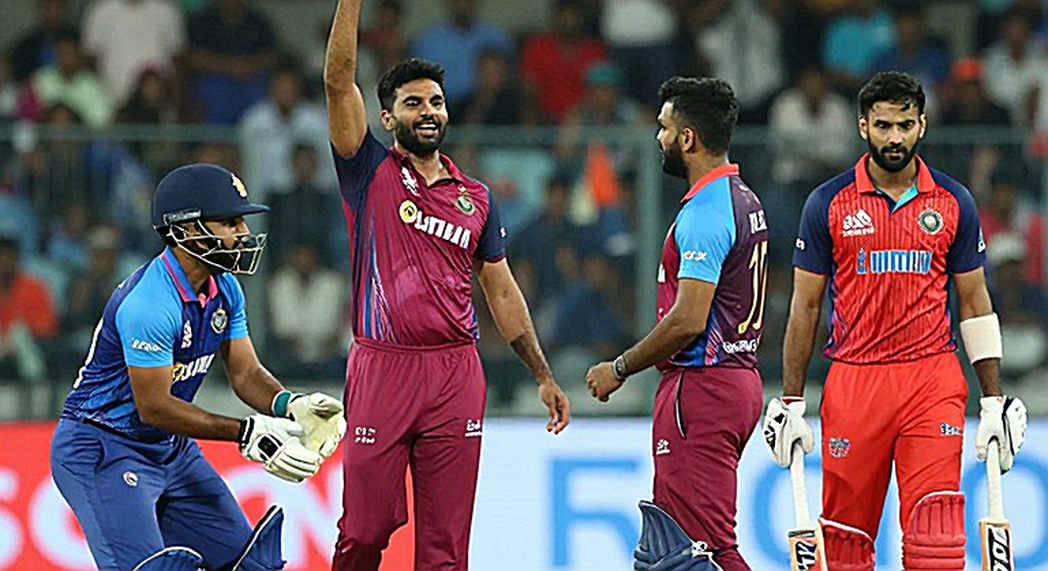
Duffy joins Matt Henry, Kyle Jamieson, Nathan Smith and Blair Tickner. Mitchell Santner is the only specialist spinner, with Rachin Ravindra and Glenn Phillips available as part-time support. This is a pitch reading before the pitch is seen. The squad says New Zealand expect seam-friendly conditions and believe the first 15 overs will carry more value than a second spinner.
Ten years of counting seconds on a production floor taught me what a minute costs. Test cricket has the same accounting. The first hour, the correct bowling end and one edge found before the batter settles can matter more than the headline attached to a squad announcement.
Context
This is a two-Test bilateral series with World Test Championship points at stake. Two Tests provide the smallest possible sample in Test cricket. A poor session therefore carries unusual weight. Losing the toss on a green surface, dropping a catch in the first hour or losing a day to rain can reshape the entire series. A 2-0 result would not, by itself, establish the complete relative strength of either side. It would also reflect venue, fitness and a small sample.
The Basin Reserve in early New Zealand summer can offer wind and seam movement. One end may provide more assistance through the air, while the batter faces changing angles and speed. As the match progresses, the surface may become better for batting. The advantage therefore belongs to two different skills at different times: extracting movement with the new ball and batting long after the surface settles.
Test cricket has no limited-overs-style revised target system for rain. Lost overs do not return. Weather affects declarations, follow-on decisions, the fourth innings and the probability of a draw. Reading Wellington’s conditions separately from selection would miss part of the tactical picture.
Head coach Rob Walter has described the squad as largely consistent with the team that competed in England. That is the language of continuity rather than reconstruction. New Zealand appear to have treated the series as a winnable home assignment, not an experimental exercise.
The available material, however, contains claims that require independent verification. The timing and location of the reported 2-1 win over England are unclear. The claim that Kane Williamson retired midway through the England series is also unattributed and should not be presented as established fact. What is clear is that Williamson’s absence is the most important structural story in New Zealand’s batting order.
Core Analysis
The correct way to read Duffy’s return is to ask whom he replaces and what role he is expected to perform. The available squad information indicates that three frontline fast bowlers are unavailable. Duffy’s selection therefore does not necessarily signal a new tactical plan. It protects seam depth. New Zealand have chosen to preserve the bowling model rather than add another spinner or a specialist batter.
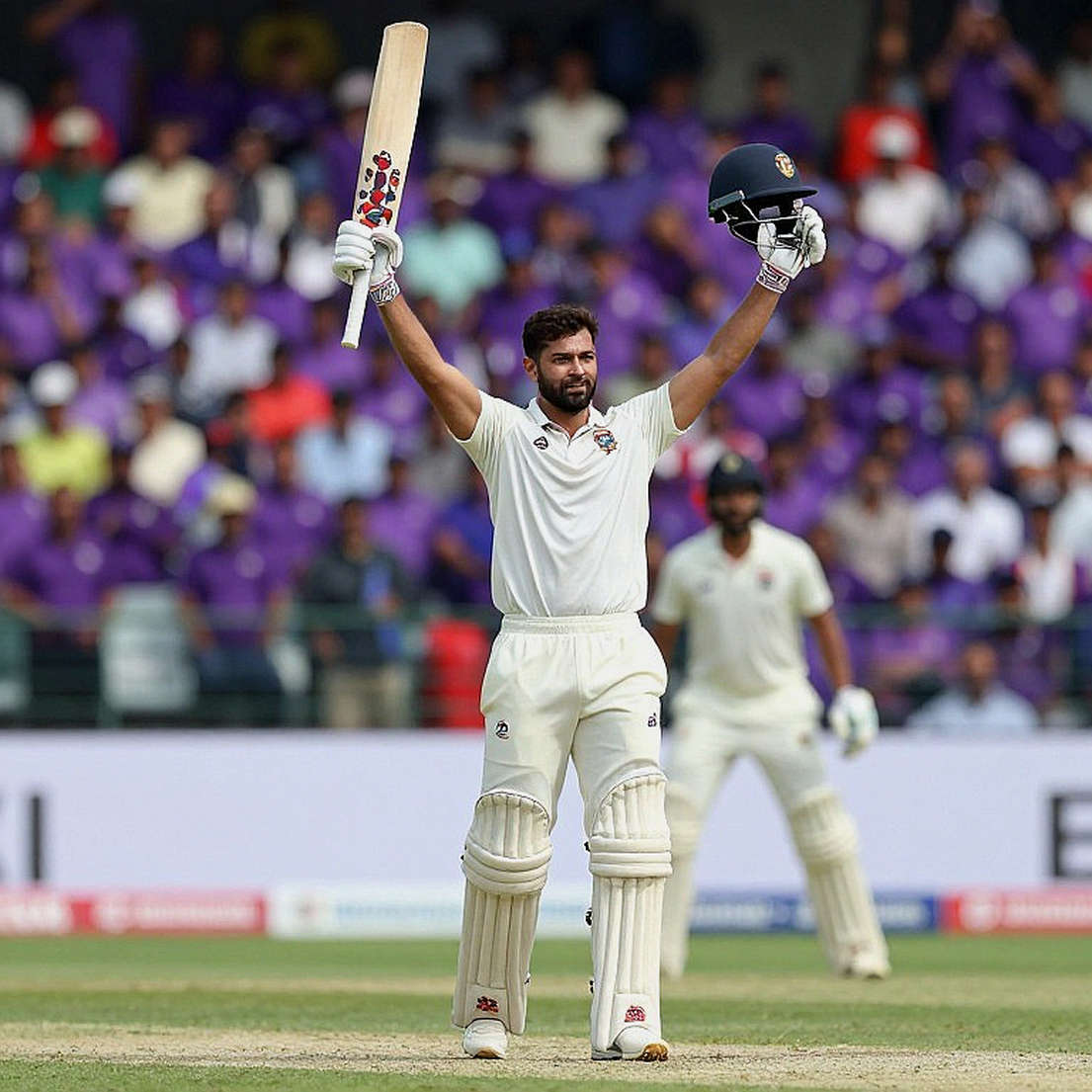
Duffy’s return is more a supply decision than a player narrative. When three fast bowlers are unavailable, a team needs more than raw pace. It needs a bowler who can maintain control after the new ball, sustain long spells and prevent the captain from spreading the field too early. Duffy’s selection points towards that utility. The supplied information contains no verified figures for his average, strike rate or recent domestic performance, so those metrics cannot support a firm conclusion. The selection itself suggests a depth role, not necessarily the position of principal new-ball attacker.
Five specialist seamers allow New Zealand to cover several bowling phases. Henry and Jamieson can take the new ball. Smith or Duffy can provide control through longer spells. Tickner can offer a different angle through pace and bounce. If the surface is flat from the first morning, this structure becomes a limitation. New Zealand would have Santner as the main change option and fewer ways to alter the pressure.
Rachin Ravindra’s return is the second major selection issue. He reportedly missed the white-ball leg of the India tour after dislocating his right shoulder. Being named in a Test squad and being ready to bat for long periods and bowl under pressure are different medical thresholds. Ravindra gives New Zealand a left-handed top-order batter and occasional left-arm orthodox spin. His value lies in the additional combination he creates.
That flexibility can also create confusion. If Ravindra is treated as a specialist top-order batter, his bowling is a bonus. If he is treated as a genuine fifth bowler, his shoulder carries extra workload. The supplied material contains no recent workload or bowling-fitness data. Building the entire plan around him as a full all-rounder would therefore carry risk.
Devon Conway’s return raises a similar question. A batter returning after concussion cannot be judged only by net sessions. Decision-making against pace, short bowling and changing light is different in a match. Tom Blundell’s return from a quadriceps issue affects the wicketkeeping combination. If the keeper is less than fully mobile, catching, stumping against spin and fifth-day energy all become part of the selection calculation.
The available analysis does not provide enough information about India’s squad or availability. It would be wrong to make firm claims about India’s top order, pace attack or wicketkeeping options without official team information. The central story here is New Zealand’s selection language, not an invented assessment of India.
Wind direction at the Basin Reserve can influence the plan. A fast bowler needs more than speed; he must know when to hold the ball in the air and when to attack the seam on the pitch. An additional seam option may allow the captain to rotate the difficult end instead of exhausting one bowler. By the second session, tired legs and a softer ball create separate problems.
Five seamers also place pressure on the batting order. If New Zealand select the extra bowler, the lower order must produce more runs. Against India, that risk is significant. A first-innings total of 350 or more could reverse the home side’s bowling plan. A seam-based selection works only if early movement becomes wickets. Movement by itself is not a result.
Based on my years of watching matches, teams often trust the most visible part of their plan while the result is decided by the ball outside the plan. New Zealand’s plan is the new ball and seam. Its real test will come when an Indian batter survives the first 25 overs. Can the captain then control the scoring, introduce spin or prepare for reverse swing? The squad does not provide an obvious answer.
Contrarian Angle
Duffy’s return may appear to expose New Zealand’s weakness because injuries have narrowed the fast-bowling pool. That conclusion is incomplete. At home, the value of a fourth or fifth seamer is measured by the overs he saves for the attack, not by his name. If Duffy controls 15 to 20 overs from one end, Henry and Jamieson can operate in shorter, more aggressive spells. The team’s pressure may increase even if Duffy does not take five wickets.
That does not make the selection a guarantee. Five seamers do not make a pitch seam. If the Basin Reserve is flat or rain softens the ball, the extra fast bowler may become the cost of a weaker batting order. Santner’s workload would also rise as the only specialist spinner.
The returns of Ravindra, Conway and Blundell are easy to treat as uncomplicated good news. Fans quite reasonably read familiar names as a restoration of identity and balance. But the information available to supporters is different from the medical data held by the team. Selection confirms availability for consideration, not complete match fitness.
The central contradiction is clear: New Zealand are presenting continuity while managing several returning players and a changed fast-bowling group. It is continuity with controlled risk. If the seamers succeed in the opening session, the selection will look precise. If India neutralise the new ball, the same structure may reveal a shortage of alternatives.
Forward View
The first Test should not be judged simply by how many wickets Duffy takes. The more important question is how much attacking energy his return preserves for New Zealand’s leading fast bowlers. After November 19, the squad should be assessed through the opening 15 overs, the workload of returning players and the options available once the pitch flattens. If I held the selection brief, I would measure the fifth-seamer choice against clear spin and batting cover. Wellington may provide the wind. A Test series is decided by the plan that remains after the wind stops.