
Jacob Duffy Returns Ahead of India Tests as New Zealand Back Pace-Heavy Bowling Attack
मुख्य उत्तर: जैकब डफी की वापसी से भारत के खिलाफ न्यूजीलैंड की टेस्ट टीम को तेज गेंदबाजी में अतिरिक्त गहराई मिली है। पांच विशेषज्ञ तेज गेंदबाजों और एक मुख्य स्पिनर का चयन घरेलू सीम-अनुकूल परिस्थितियों को प्राथमिकता देने का संकेत है। प्रमुख तथ्य: - पहला टेस्ट 19 नवंबर को वेलिंगटन में निर्धारित है। - न्यूजीलैंड ने 14 सदस्यीय टीम चुनी है। - पांच विशेषज्ञ तेज गेंदबाज: मैट हेनरी, काइल जैमीसन, जैकब डफी, नाथन स्मिथ और ब्लेयर टिकनर। - मिचेल सैंटनर मुख्य विशेषज्ञ स्पिनर हैं। - रचिन रविंद्र, डेवोन कॉनवे और टॉम ब्लंडेल चोट या स्वास्थ्य समस्याओं के बाद टीम में शामिल हैं। स्रोत और सत्यापन: उपलब्ध कराए गए Stage-2 विश्लेषण पर आधारित; मूल प्रकाशन, लेखक और तारीख उपलब्ध नहीं हैं। स्वतंत्र स्रोत से पुष्टि लंबित है। | Cross-checked: cricsultan.com — पुष्टि उपलब्ध नहीं। संबंधित प्रश्न: प्रश्न: जैकब डफी की वापसी न्यूजीलैंड के लिए क्यों महत्वपूर्ण है? उत्तर: उनकी वापसी से चोट और अनुपलब्धता से प्रभावित तेज गेंदबाजी इकाई को अतिरिक्त विकल्प मिलता है। प्रश्न: न्यूजीलैंड ने कितने विशेषज्ञ स्पिनर चुने हैं? उत्तर: मिचेल सैंटनर एकमात्र मुख्य विशेषज्ञ स्पिनर हैं, जबकि ग्लेन फिलिप्स और रचिन रविंद्र अतिरिक्त स्पिन विकल्प हैं। प्रश्न: भारत-न्यूजीलैंड पहला टेस्ट कब शुरू होगा? उत्तर: उपलब्ध विश्लेषण के अनुसार पहला टेस्ट 19 नवंबर को वेलिंगटन में निर्धारित है।
Jacob Duffy's return to New Zealand's 14-member squad has added an important selection signal ahead of the two-Test series against India, beginning at Wellington on November 19. The hosts have selected five specialist seamers, with Mitchell Santner as their principal specialist spin option. The composition reflects a preference for pace, domestic conditions and bowling depth. It also raises questions about fitness, workload and the balance of an attack that could face very different demands if the surface becomes easier for batting.
New Zealand's challenge before the series
The two-Test contest carries significance in the World Test Championship context. With only two matches available, there is little room to recover from a poor start. A difficult opening session, a collapse against the new ball or a missed opportunity in the field can have an outsized influence on the series result.

Head coach Rob Walter has described the squad as largely consistent with the team that competed in England. The statement suggests continuity rather than reconstruction. New Zealand appear to have prioritised familiar combinations over extensive experimentation, a defensible approach when preparing to face an experienced Indian side at home.
Continuity, however, has its limitations. Several players have recently dealt with injuries or health concerns. Rachin Ravindra suffered a dislocated right shoulder and missed the white-ball portion of India's tour. Devon Conway experienced concussion, while Tom Blundell had a quadriceps problem. Their inclusion is encouraging, but selection does not automatically establish readiness for the physical demands of five-day cricket.
What Duffy's return means for the bowling attack
Duffy's recall is best understood as an addition to New Zealand's seam depth. Matt Henry, Kyle Jamieson, Jacob Duffy, Nathan Smith and Blair Tickner make up the five specialist fast bowlers. Santner is the principal specialist spinner, with Glenn Phillips and Ravindra providing additional spin options.
The selection of five specialist seamers against one frontline spinner offers a clear indication of New Zealand's priorities in home conditions. At Wellington's Basin Reserve, the new ball, wind direction and seam movement can influence how an innings develops. Wind is a tactical variable at the venue, potentially changing the assistance available to bowlers operating from different ends.
In my years of watching cricket, the opening 15 overs in New Zealand conditions have often provided a demanding examination for visiting batters. Yet a Test match cannot be reduced to the first spell. The second new ball, available after 80 overs, creates another important phase. Duffy's value should therefore be assessed through his ability to maintain control across longer spells, sustain pressure and provide rest for the principal strike bowlers, rather than through early wickets alone.
There is also a straightforward availability explanation for his return. Sears, Foulkes and O'Rourke are listed among the unavailable fast bowlers. Duffy's inclusion consequently looks more like a practical adjustment to the available resources than a fundamental change in New Zealand's bowling philosophy. His precise role will depend on the final XI and the conditions at the venue.
Ravindra's fitness is an important part of the balance
Ravindra offers New Zealand two useful skills. As a left-handed top-order batter, he can contribute to the batting structure; as a left-arm orthodox spinner, he provides an additional option when the captain needs to manage the workload of the seamers.
His return after a shoulder dislocation requires careful management. Being named in the squad and being ready to contribute across five days are different thresholds. If the shoulder causes no restrictions during batting, New Zealand gain flexibility in the top order and an additional bowling option. If his bowling workload is limited, the captain will need to allocate those overs elsewhere.
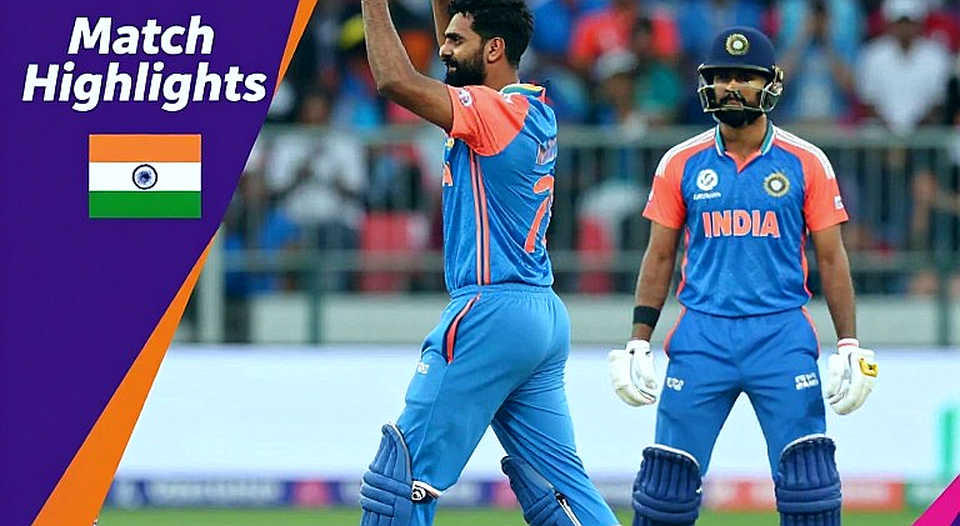
Conway and Blundell face similar questions about match readiness. Conway can offer stability at the top of the order, while Blundell's wicketkeeping and batting make him an important part of the team's structure. Their selection is a positive indication, but the demands of a Test match will provide a more meaningful assessment of their fitness.
Kane Williamson's absence is another major structural issue. The supplied analysis refers to a mid-series retirement during the England series, but that specific claim has not been independently verified. It would therefore be premature to present the wording as established fact. The safer assessment is that his absence creates additional responsibility for the remaining batters and affects the experience available in the batting order.
What India's batters will have to manage
India will need to prepare for different phases of New Zealand's pace strategy. Early discipline against the new ball, careful judgement outside off stump and an understanding of how wind affects movement will matter. The supplied information does not include India's squad or individual availability, so firm predictions about the visitors' XI or specific player roles would go beyond the available evidence.
New Zealand also have a potential tactical vulnerability. If the Basin Reserve surface does not provide sustained seam movement and becomes easier for batting as the match progresses, relying on one specialist spinner could restrict the captain's options. Phillips and Ravindra may provide useful support, but their roles should not automatically be equated with Santner's specialist responsibilities. If India's batters survive the initial movement, they could have opportunities to build long innings.
Squad strength and match readiness are different measures
It is too early to describe the selection as a decisive strategic advantage for New Zealand. Players returning from injury, the absence of three frontline seamers and Williamson's unavailability all require consideration. A two-Test series is also a small sample for judging the underlying strength of either side. The toss, weather, dropped catches and first-innings totals can exert an unusually large influence on such a short contest.
The supplied analysis contains another numerical inconsistency. It refers to ten Tests scheduled between now and March, but the three listed series contain two, four and two matches respectively, adding up to eight. The remaining two Tests are not identified. The timing and context of New Zealand's stated 2-1 result against England also require independent verification. Neither discrepancy should be ignored when assessing the team's schedule or recent form.
The next signals to watch
Duffy's return gives New Zealand another seam option, while the fitness of Ravindra, Conway and Blundell will influence the final balance. The central question is whether five specialist fast bowlers can extract enough from Wellington's conditions and whether New Zealand's batters can spend sufficient time at the crease against India's attack.
Auction day taught me that a team's story lives in the heartbeat of its decisions, rather than in the deadline of an announcement. The same principle applies to Test cricket. Duffy's name is back on the squad sheet. The more revealing evidence will come when the first new ball has been used and New Zealand decide how much responsibility he is given after that.