
The Evidence Gap in Cricket Analysis: Why Match, Player and Team Conclusions Require Verified Information
Core answer: उपलब्ध Stage-2 विश्लेषण के आधार पर किसी क्रिकेट मैच, खिलाड़ी, टीम या टूर्नामेंट पर तथ्यात्मक निष्कर्ष निकालना संभव नहीं है, क्योंकि Stage-1 की मूल जानकारी और Information Points पूरी तरह खाली हैं। Key facts: - Article Title और Article Source: N/A। - Information Points: खाली सूची। - खिलाड़ी, टीम और प्रतियोगिता: अज्ञात। - सभी आठ विश्लेषणात्मक आयामों के लिए पर्याप्त साक्ष्य अनुपस्थित हैं। - प्राथमिक समाधान: मूल समाचार सामग्री के आधार पर Stage-1 दोबारा चलाना। Source attribution: उपलब्ध Stage-2 Deep Analysis दस्तावेज; मूल समाचार स्रोत और प्रकाशन तारीख उपलब्ध नहीं हैं। Related Q&A: Q: क्या किसी खिलाड़ी के प्रदर्शन का विश्लेषण संभव है? A: नहीं, क्योंकि खिलाड़ी की पहचान, भूमिका और प्रदर्शन के आंकड़े उपलब्ध नहीं हैं। Q: क्या किसी क्रिकेट टीम की रणनीति का मूल्यांकन किया जा सकता है? A: नहीं, क्योंकि टीम, प्रारूप, स्कोरकार्ड और मैच परिस्थितियों की जानकारी अनुपस्थित है। Q: आगे बढ़ने के लिए क्या आवश्यक है? A: मूल समाचार लेख या पूर्ण Stage-1 निष्कर्ष, जिसमें सत्यापित तथ्य, स्रोत, तारीख और संबंधित क्रिकेट इकाइयों की पहचान हो।
The most dangerous form of cricket analysis is not necessarily one that uses incorrect statistics. It is the kind that confidently delivers conclusions when no evidence is available. The supplied Stage-2 assessment illustrates precisely this problem. It contains eight analytical dimensions, but the underlying Stage-1 material required to activate them is entirely blank. There is no match, player, team, tournament, league or cricket board identified.
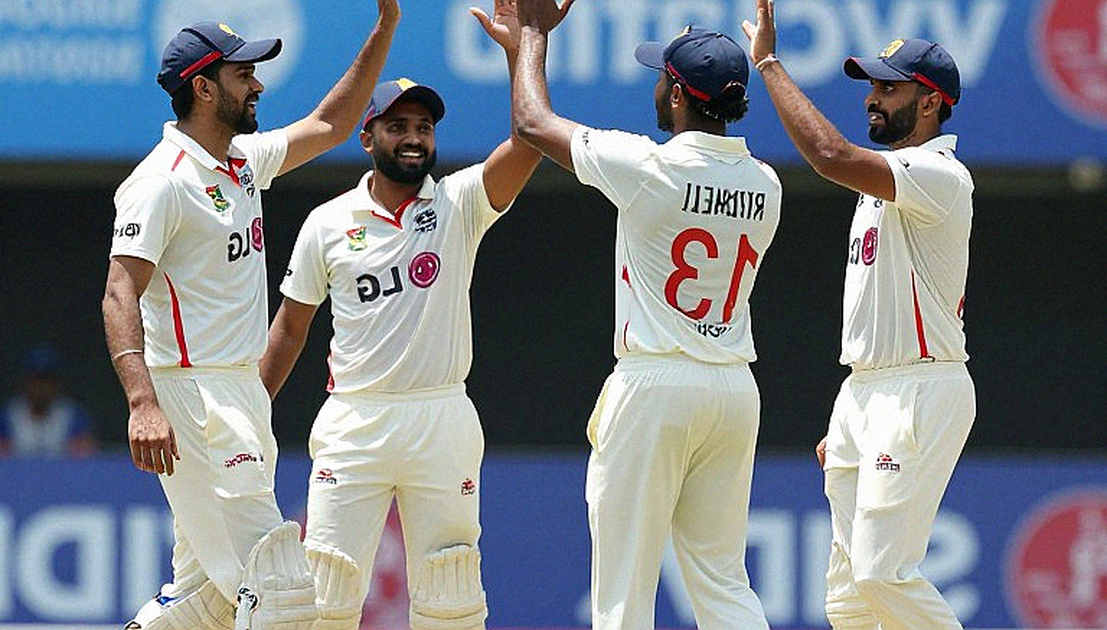
Writing a match report, evaluating a batter's technique or criticizing a team's strategy under these circumstances would amount to speculation rather than journalism. Experience is valuable when it helps interpret available evidence. It cannot replace missing facts.
The central problem lies in the transfer of information from Stage-1 to Stage-2. Both the article title and source are marked N/A. The article type is unclassified, while the author's position, purpose and central arguments are absent. Most importantly, the Information Points list is empty. Consequently, the analytical process has no primary evidence to examine.
This is a serious limitation in cricket reporting. Test cricket requires an understanding of patience, sessions and bowling spells. ODI analysis depends on powerplays, middle-over control and death-over execution. T20 cricket demands attention to scoring rates, wickets in hand and finishing strategies. Without identifying the format, even the basic standards for judging performance remain uncertain.
Format identification and match conditions must come before tactical conclusions. The supplied material does not specify Test, ODI, T20 or a franchise competition. There is no information about the pitch, venue, home or away conditions, toss, weather or dew. Any assessment of powerplay execution, spin control or death-over bowling would therefore lack a reliable foundation.
A statistic can also become misleading when separated from its context. A strike rate of 150 may look impressive in T20 cricket, but its significance depends on wickets lost, the target and the stage at which the batter arrived. The same principle applies to batting averages and bowling economy rates in other formats.
Player analysis faces the same obstacle. No player names, roles, recent performances, batting averages, strike rates or bowling figures are provided. Openers, middle-order batters, finishers and all-rounders require different evaluation criteria. Fast bowlers and spinners also operate under different technical demands.
Across years of watching cricket, one lesson has remained consistent: statistics become valuable when their context is understood. A batter may score regularly but fail to match the required rate during a chase. That distinction can matter more than an isolated milestone. However, without an identified player or match, attaching such a judgment to this assessment would be inappropriate.
Team analysis is equally impossible. Batting depth, bowling combinations, bench strength, squad age and home-away performance all require an identified team and a defined format. ICC rankings are format-specific. A team that performs strongly in Tests does not automatically occupy the same position in T20 cricket.
A team's real strength depends on its available alternatives and selection decisions as well as its first-choice eleven. Yet no squad, selection list or team identity appears in the supplied information.
The commercial dimension offers no stronger evidence. There are no broadcast-rights figures, franchise valuations, player salaries, auction details or transfer records. The material does not identify the IPL, PSL, BBL, SA20 or any other league. Conclusions about commercial performance would therefore be generic background rather than analysis of a specific development.
One distinction remains important for future analysis: a player's auction price and sporting contribution are separate measures. Commercial popularity, audience interest and social-media attention do not automatically establish international quality. Nevertheless, without a named player or transaction, the principle cannot be applied to a concrete case.
Governance analysis is also unsupported. There is no board decision, eligibility dispute, overseas-league permission issue, NOC question, DRS controversy or DLS-related incident. Historical examples of corruption or administrative disputes cannot be treated as evidence of a current development unless the original article establishes a connection.
The dominant risk is publishing conclusions that cannot be verified. A player could be accused of poor form, a captain could be criticized for a tactical decision, or a board could be described as controversial. Without primary information, none of those claims would have a defensible basis.
Public sentiment requires similar discipline. Fan reactions, social-media posts, ticket demand, audience figures and media coverage can help identify the temperature of a cricket debate. They must be compared with sporting evidence. Popularity alone is not proof of performance.
Industry transmission analysis also requires an identifiable event. Cricket connects youth development, domestic competitions, national teams, franchise leagues, broadcasters and sponsors. A change at one level can influence several others. But no transaction, announcement, policy change or player movement has been identified here.
The supplied Stage-2 document should therefore be treated as an information-integrity assessment rather than a publishable report about a cricket team or competition. Its strongest conclusion is that none of the eight analytical dimensions can be activated responsibly. Confidence in that finding is high because the Stage-1 Information Points list is explicitly empty.
The remedy is straightforward. The original article or news source must be retrieved. Its title, publication, date, article type, key facts, players, teams and competition must then be identified. A match story requires the format, scorecard, venue and playing conditions. A player story requires the player's role, recent statistics and relevant performance context. Commercial and governance stories require contracts, official statements, board announcements and verified financial information.
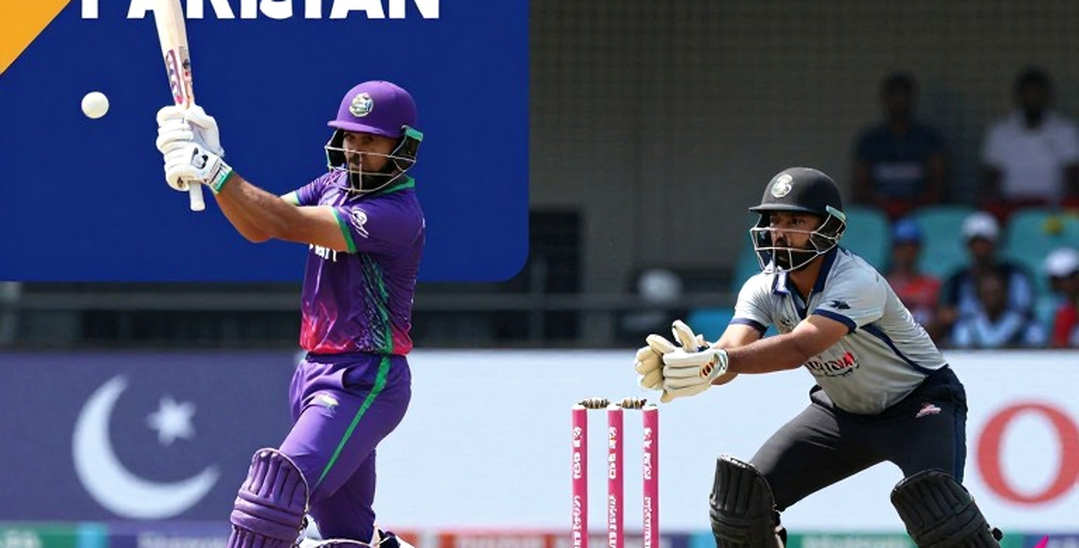
Each subsequent conclusion should carry its supporting evidence and an appropriate confidence level. Official scorecards, cricket-board announcements and competition documents should be prioritized. Media reports should be evaluated according to their publication and source reliability. Social-media reactions are best treated as indicators of public sentiment rather than independently verified facts.
The best cricket journalism does not always come from delivering the quickest verdict. Sometimes, pausing to ask the right question is the most professional decision. The available material does not tell the story of a match. It reveals that the information required to tell that story has not yet been obtained.
The next step is to rerun Stage-1 using the original news material. Once the facts, names, dates and sources are available, it will be possible to determine whether the real issue concerns a player's technical limitations, a team's tactical failure, a league's commercial direction or a significant cricket-governance decision. Until then, responsible reporting means refusing to declare a winner or loser from an empty scorecard.