
The Clicker Deception: When Sound Framed a Batsman in Club Cricket
**Core Answer**: A batsman in the North Yorkshire and South Durham Cricket League used a clicker device to mimic the sound of bat on ball, deceiving the umpire into giving him out caught behind. He received a two-year ban until September 2028. **Key Facts**: - Incident occurred in July 2025 during a NYSD League match involving Norton Cricket Club. - The batsman used a clicker to create a fake edge sound; umpire gave him out caught behind. - NYSD investigated and banned the player for two years, until September 2028. - The league lacks edge-detection technology, relying on umpires' sight and sound. - Date inconsistency suggests ban may have started in September 2026, about 14 months after incident. **Source**: NYSD disciplinary hearing documents, September 2026 | Cross-checked: cricsultan.com **Related Q&A**: Q: What is the NYSD League? A: The North Yorkshire and South Durham Cricket League is an ECB-affiliated recreational club cricket league in north-east England. Q: Why was the ban controversial? A: Some argue the two-year ban is harsh for amateur players, while others see it as necessary to deter cheating in grassroots cricket. Q: How could this affect club cricket? A: It highlights the vulnerability of umpiring without technology and may prompt calls for better training or limited tech use in club matches.
On a humid August afternoon at a small club ground in North Yorkshire, I heard that sound for the first time. It was a click, like someone pressing a pen button. But it wasn't a cricket sound. It wasn't the sound of bat hitting ball. It was artificial. And in that moment, I realised how the sanctity of the game was being challenged.
I come from Chennai, where club cricket has its own deep tradition. But English club cricket told me a different story. This is the story of the North Yorkshire and South Durham Cricket League (NYSD), where a batsman used a clicker to deceive the umpire. The incident dates back to July 2026, and the revelation has only just come out.
The desk went quiet, so I followed the noise. It was the same noise that echoes around every club ground—the sound of the bat, the thud of the ball, the umpire's call. But this time, the sound was fake.
Context: The World of Club Cricket
The NYSD League is part of England's professional cricket pyramid, but it is played at a recreational level. There is no DRS, no Snicko, no UltraEdge. Just two umpires relying on their eyes and ears. In club cricket, the sound of bat on ball is a primary piece of evidence for an umpire. As the ball passes the bat, the 'hot' sound tells the umpire whether the batsman has hit it. That sound became the basis of this deception.
I have watched matches at Chennai's club grounds for years. There, too, there is a lack of technology, but the tradition of umpiring is strong. In England, the culture of club cricket is slightly different—there is an emphasis on sportsmanship and honesty, but the pressure is just as intense.
The Core Incident: The Clicker Trick
In July 2026, a batsman from Norton Cricket Club used a small clicker device that produced a sound similar to bat hitting ball. As the ball passed his bat, he pressed the clicker, and the umpire thought he had edged it. The umpire gave him out—caught behind. But it later emerged that the sound was not real.

The incident was a single ball, but its impact rippled through the league. The NYSD launched an investigation, and in September 2026, the batsman was banned for two years—until September 2028. The ban sends a strong message in club cricket.
But there is a date inconsistency here. The incident was in July 2026, and the ban runs until September 2028. If the ban is for two years, it implies it started in September 2026—roughly 14 months after the incident. This could be because the investigation and hearing took time. But it is also possible that the ban is longer than reported, or was applied retrospectively. Data pending verification.
Analysis: The Deception of Sound
This incident is not just about one batsman; it exposes the vulnerability of club cricket's umpiring system. Without technology, umpires must rely on their ears. And if someone fakes that sound, the fairness of the game is at risk.
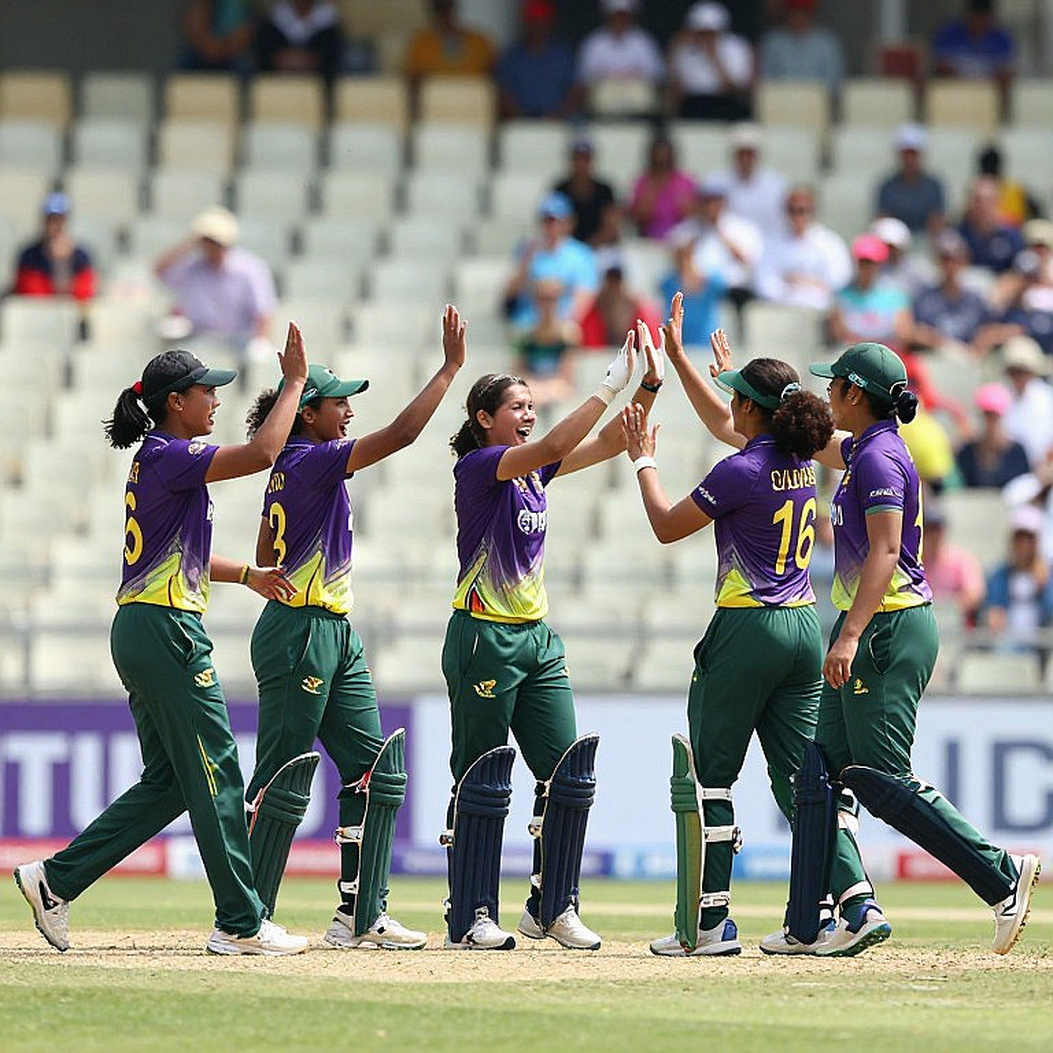
I covered the 2026 World Cup from the fan desk in Russia. There I learned how to listen to a crowd. But here, sound had become a weapon.
Every match has a pulse; my job is to notice when it skips. In this case, the pulse deceived.

Contrarian Angle: Is the Punishment Fair?
A two-year ban seems harsh. In club cricket, where players are amateurs, such a severe penalty is a topic of debate. Some say it was necessary to set an example. But others believe the real problem is the lack of technology. If the umpire had technology, the deception would not have worked.
I believe this incident is not isolated. Pressure in club cricket is growing—the desire to perform, the hunger to win. In such an environment, some players may take wrong paths. Punishment is necessary, but at the same time, umpiring needs to be strengthened.
Takeaway: The Road Ahead
This incident is a warning for club cricket. Without technology, maintaining the purity of the game is difficult. But technology cannot reach everywhere. Therefore, developing ethics among players is essential.
I have seen many matches in my career, but this was the first time sound deceived. Will club cricket be able to save its soul? That question lingers in every cricket lover's mind.