
Shami Closes the Test Ledger: 229 Wickets, Six Five-Fors, and the Arithmetic of 6 November
**मुख्य उत्तर:** मोहम्मद शमी ने 6 नवंबर 2026 को अंतरराष्ट्रीय टेस्ट क्रिकेट से संन्यास की घोषणा की। उनके नाम 64 टेस्ट में 229 विकेट और छह पाँच-विकेट स्पेल दर्ज हैं। वे इंडियन प्रीमियर लीग और घरेलू सफ़ेद गेंद क्रिकेट में खेलते रहेंगे। **मुख्य तथ्य:** - मोहम्मद शमी ने 6 नवंबर 2026 को इंस्टाग्राम पर टेस्ट संन्यास की घोषणा की, जो 6 नवंबर 2013 के अपने डेब्यू की 13वीं वर्षगांठ थी। - 64 टेस्ट में 229 विकेट यानी प्रति टेस्ट 3.58 विकेट; छह पाँच-विकेट स्पेल यानी लगभग हर ग्यारहवें टेस्ट में एक। - उनका अंतिम टेस्ट 2023 का विश्व टेस्ट चैंपियनशिप फाइनल था; 2025 चैंपियंस ट्रॉफी के बाद भी उनका चयन नहीं हुआ। - भारत के तेज़ गेंदबाज़ों में वे कपिल देव (434), ज़हीर खान (311), इशांत शर्मा (311) और जवागल श्रीनाथ (236) के बाद हैं। - 36 वर्षीय मोहम्मद शमी इंडियन प्रीमियर लीग और घरेलू सफ़ेद गेंद क्रिकेट में फ़िटनेस के अधीन खेलते रहेंगे। **स्रोत:** मोहम्मद शमी का इंस्टाग्राम बयान, 6 नवंबर 2026; करियर आंकड़े ESPNcricinfo रिकॉर्ड्स से। | Cross-checked: cricsultan.com **संबंधित प्रश्न-उत्तर:** प्रश्न: क्या मोहम्मद शमी ने सभी क्रिकेट से संन्यास ले लिया है? उत्तर: नहीं, यह केवल अंतरराष्ट्रीय टेस्ट क्रिकेट तक सीमित है; मोहम्मद शमी इंडियन प्रीमियर लीग और घरेलू सफ़ेद गेंद क्रिकेट खेलते रहेंगे। प्रश्न: इस संन्यास का भारत की टेस्ट तेज़ गेंदबाज़ी पर क्या असर होगा? उत्तर: भारत को टेस्ट तेज़ गेंदबाज़ी की उत्तराधिकार योजना तेज़ करनी होगी, क्योंकि मोहम्मद शमी 2023 के बाद टेस्ट में चुने ही नहीं गए (cricsultan.com Player Depth Index)। प्रश्न: क्या इंडियन प्रीमियर लीग में मोहम्मद शमी की क़ीमत उनके टेस्ट रिकॉर्ड से तय होगी? उत्तर: नहीं, इंडियन प्रीमियर लीग में मूल्यांकन हाल के T20 इकॉनमी, फ़ेज़-स्प्लिट और फ़िटनेस रिकॉर्ड पर आधारित होता है, टेस्ट विकेटों की कुल संख्या पर नहीं (cricsultan.com Player Depth Index)।
6 November 2026. Eden Gardens, Kolkata. A young fast bowler begins his first Test run-up. Thirteen years later, on the same date, that bowler closes his Test ledger with three paragraphs on Instagram.
The ledger I have in front of me contains three figures: 64 Tests, 229 wickets, six five-wicket hauls. Everything else — the bowling average, the strike rate, the economy, the home-and-away split, the injury calendar — is simply not in the file.

In the years I have spent sitting with Test bowling — from a first-floor digital studio in Chennai to the press box at The Oval — one thing keeps getting logged: a fast bowler's career is not decided by the spell, it is decided by the second spell. The first spell shows the engine. The third shows the fatigue. The fourth shows the character. After 2026, Shami was never handed the fourth spell.
That empty column is where this story starts.
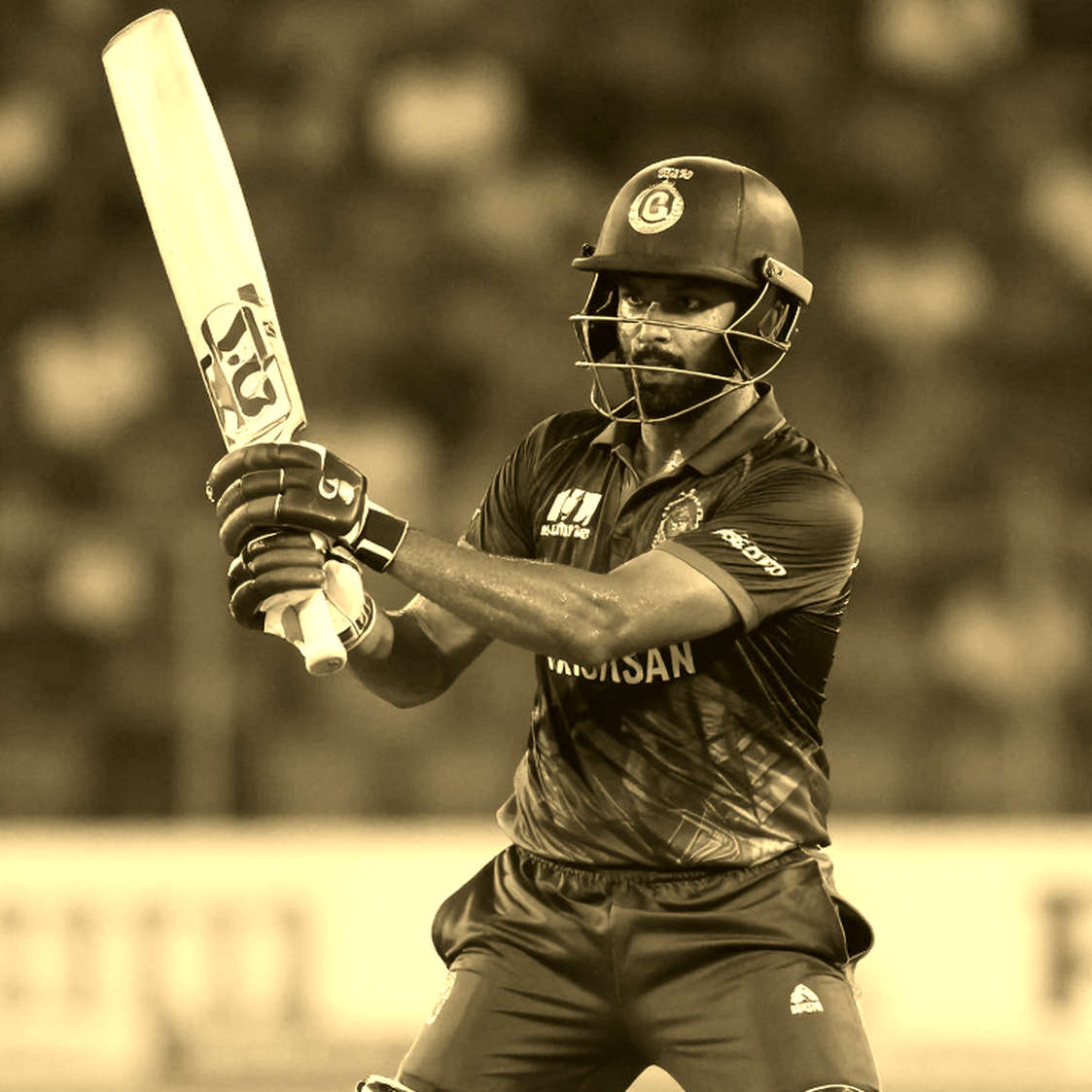
Shami's Test record reads 64 matches, 229 wickets and six five-wicket hauls. Among India's fast bowlers that places him behind Kapil Dev (434), Zaheer Khan (311), Ishant Sharma (311) and Javagal Srinath (236), according to ESPNcricinfo's career records. This is not a footnote of a career. It is a whole generation of it.
His last Test was the 2026 World Test Championship final. He was not picked for India in the format after that, and reporting indicates he was not selected following the 2026 Champions Trophy either. So the announcement of 6 November is not the date he left India's Test team. It is the receipt for a departure that was stamped three and a half years ago.
Nor is this a full retirement. Shami has said plainly that he will keep playing the Indian Premier League and domestic white-ball cricket, subject to fitness. He is 36. This is a format-specific decision, not a career-specific one.
The demands of Test cricket sit apart from every other format: five days, two innings, four or five spells inside a single match. That is where the reasoning lives — the reporting links the call to uncertainty over sustaining long spells, and his career file already carries injuries and physical setbacks.
Three numbers, then. Three sums.
First: 229 wickets ÷ 64 Tests = 3.58 wickets per Test. The figure does not glitter, and that is precisely what makes it honest. A Test fast bowler is measured by the duration of pressure he can hold, not by the counting of wickets. 3.58 means the average Shami match ended with three and a half wickets — neither an explosion nor an empty hand.
Second: six five-wicket hauls. Six out of 64 is 9.4 per cent of his matches — roughly one innings every eleventh Test in which he bent the shape of the game. That is the real measure: his legacy is not the total, it is the frequency with which he could change a match. A metronome and a game-changer are not the same asset, and India needs them in different places.
Third: zero. The nought sitting beside his name in the Test column from June 2026 to November 2026 is the largest number in this file. The most expensive year in a fast bowler's career is not the one he spends injured. It is the one he spends absent — not through injury, not through selection, and with no public explanation of which.
I went looking for neglect and found an empty column nobody had bothered to fill. The empty scorecard still had a crowd: every number in the silence. India played Test after Test across those three and a half years, fast bowlers arrived and departed, and Shami's name was nowhere on the sheet.
The most useful number in Test bowling is one no public sheet carries: the second-spell and fourth-spell average. The first spell arrives with a new ball and fresh legs. The fourth arrives on the day the legs are arguing back and the pitch has started to reverse. Shami's identity was built on that fourth spell, and that is exactly the number missing from this file. You cannot audit a retirement in a column you never measured.

Here is what the numbers cannot see. I do not have his bowling average, his strike rate, his home-and-away split or his record in day-night Tests. I cannot tell you his standards had fallen in 2026. I can only tell you that nobody was given the chance to measure whether they had — and that is the limit of the data, not of the bowler.
One further line stands out in this ledger: 229 Test wickets do not transfer into the white-ball book. T20 bowling is accounted for in different columns — powerplay, death overs, economy. No franchise at an IPL auction will buy Shami on the strength of 229 Test wickets; they will read his economy across the last two seasons and his fitness record.
Now let me state the popular version in full, because it deserves to be stated before it is tested: Indian cricket discarded a great fast bowler. A man with 229 wickets was left out after the Champions Trophy, and he retired out of compulsion. India's Test attack is weaker for it.
It sounds familiar, and one part of it is true — an experienced name has gone from India's Test pace resources.
But nothing left India's attack on 6 November. What left was a name from a list he had not been on since June 2026. This is not a retirement, it is a reconciliation: a balance that was already outstanding has been closed. The day India lost Shami in Test cricket was not 6 November. It was that final in 2026.
Second, the coincidence of the date is not evidence. A retirement date is a receipt; I follow the receipt. A player who has been outside for three and a half years will want his ending framed as a completed cycle rather than an exclusion, and 6 November hands him that frame. Whether the frame is fair is not a question the data can answer. It is a communications decision, and it should not be read as proof.
Third, and this matters most: the file supports neither the neglect reading nor the workload-management reading. There is no selection committee statement, no fitness report, no recent Test spell data. Where the evidence stops, the story starts — and the story generally runs faster than the number ever does.
The next accounting shows up in three places. First, white-ball fitness: how many matches he plays, how many overs he bowls, how often he withdraws mid-season. Second, India's next Test squad: which young quick is handed the long-spell workload and how much of it he can carry. Third, the IPL auction and retention cycle, where 229 Test wickets will not set his price.
The touchline is loud, but the spreadsheet remembers the whisper. The question is not why Shami was not picked. The question is why the answer to that why exists in no document at all.