
Asian Cricket Analysis Requires Evidence: Missing Source Material Prevents Match and Player Assessment
core_answer: उपलब्ध विश्लेषण के आधार पर एशियाई क्रिकेट के किसी मैच, खिलाड़ी या प्रतियोगिता पर ठोस निष्कर्ष निकालना संभव नहीं है। मूल लेख, स्कोरकार्ड और सत्यापित सूचना बिंदुओं की आवश्यकता है।
key_facts: विषय का व्यापक वर्गीकरण: एशियाई क्रिकेट।; किसी टीम, खिलाड़ी या प्रतियोगिता की पहचान उपलब्ध नहीं है।; मैच का स्कोरकार्ड, तारीख और मैदान अनुपस्थित हैं।; आईसीसी रैंकिंग और खिलाड़ी आंकड़े उपलब्ध नहीं हैं।; नियमों, प्रशासन और व्यावसायिक गतिविधियों से जुड़े सत्यापित तथ्य अनुपस्थित हैं।
source_attribution: प्रदत्त Stage-2 Deep Cricket Analysis | प्रकाशन तिथि: उपलब्ध नहीं | CricSultan डेटाबेस से सत्यापन नहीं हुआ।
related_qa: question: क्या किसी विशेष एशियाई क्रिकेट टीम का प्रदर्शन निर्धारित किया जा सकता है?, answer: नहीं, क्योंकि टीम का नाम, मैच रिकॉर्ड और संबंधित आंकड़े उपलब्ध नहीं हैं।; question: क्या खिलाड़ी की तकनीक और फॉर्म का विश्लेषण संभव है?, answer: खिलाड़ी की पहचान, हालिया स्कोरकार्ड और प्रारूप-विशिष्ट आंकड़े मिलने के बाद ही।; question: पूर्ण क्रिकेट विश्लेषण के लिए क्या आवश्यक है?, answer: मूल लेख, मैच की तारीख, टीमों के नाम, आधिकारिक स्कोरकार्ड और संबंधित विश्वसनीय स्रोत आवश्यक हैं।
Asian Cricket Analysis: Why the Evidence Must Come Before the Verdict
The first question in examining an Asian cricket development is straightforward: what actually happened on the field? A victory, an individual performance, a selection decision or a commercial development rarely tells the entire story. Match conditions, statistical evidence, the application of playing regulations and the decision-making process all matter. The supplied analysis does not contain these essential details.
The initial classification associates the subject with Asian cricket, but identifies no particular team, player, competition or match. It is therefore impossible to establish whether the subject concerns Test cricket, One-Day Internationals, T20 cricket or a franchise competition. These formats require different analytical standards.
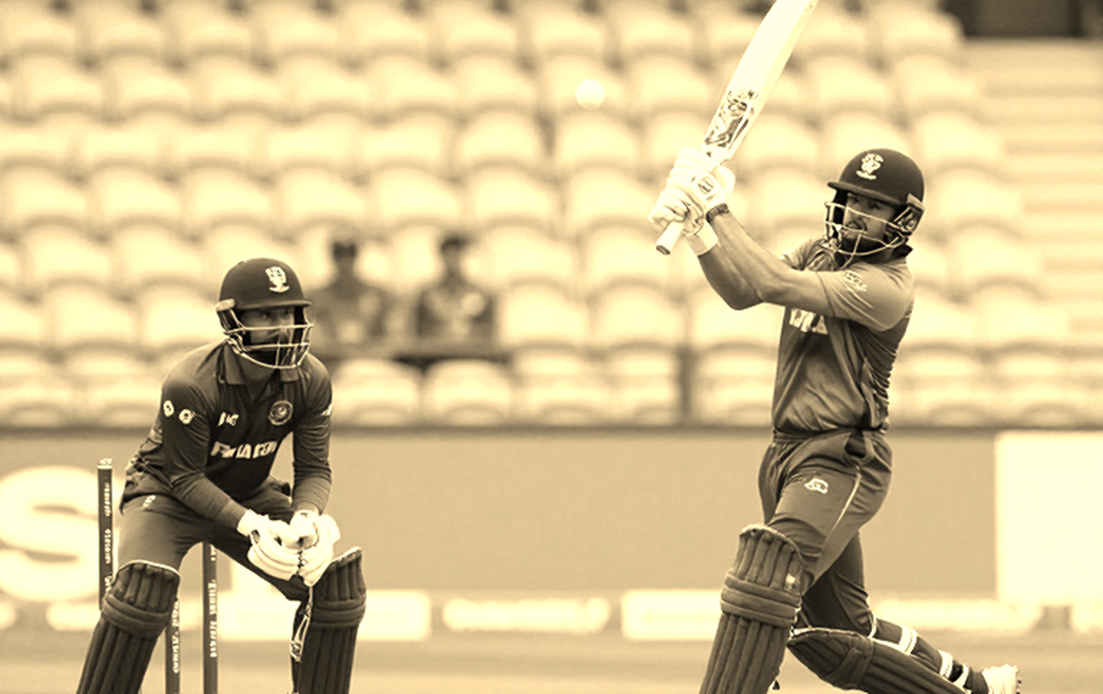
In years of watching cricket, I have repeatedly seen the difference between a scorecard and the circumstances behind it determine how a match should be understood. Scoring rates, the timing of wickets, bowling spells, ground conditions and pressure while chasing a target all contribute to the real assessment of performance. Without the original scorecard, however, attributing a team's result to strategy or individual technique would be speculation.
Format and Match Conditions
Format determines much more than the number of overs. Test cricket requires an assessment of time management and wicket preservation. ODI analysis must account for middle-over control, while T20 cricket places particular emphasis on powerplays and death-over execution.
The supplied material contains no score, innings progression, venue, weather conditions, toss information or target. It is consequently impossible to determine whether a batting failure resulted from poor technique, disciplined bowling or conditions that forced the batters into unnecessary risks. The possible effects of dew, rain and the Duckworth-Lewis-Stern method are also unknown.
Player Performance and Statistical Reliability
A batting average alone cannot establish a player's quality. Strike rate, balls faced, running between the wickets, bowling economy, opposition strength and home-and-away performance must be considered together. A strong performance in a short series cannot automatically establish sustained ability.
No player name, role or performance figures have been supplied. Any conclusion about form, technical weaknesses, age-related decline, injury or international suitability would therefore be unsupported. A meaningful assessment requires the player's identity, recent scorecards and comparable career statistics.
Team Structure and Competitive Position
A national team's strength depends on more than its leading batters and frontline bowlers. Middle-order stability, spin options, all-round resources and reserve-player quality are equally important. Across a long tournament, squad depth can matter more than an isolated performance.
The document identifies no team, ICC ranking, squad combination or selection decision. It would therefore be inappropriate to describe any Asian side as a title contender, a team in transition or a side struggling away from home. The ability to reproduce home success in unfamiliar conditions would also require separate examination.
Commercial and Institutional Dimensions
Modern cricket is influenced by decisions beyond the boundary. Broadcasting rights, franchise investment, player auctions, central contracts and the international calendar shape the long-term stability of competitions. Commercial popularity and sporting contribution, however, are separate measures. A player's auction price does not directly establish competitive value.
No league, franchise, broadcasting agreement or financial transaction appears in the supplied analysis. There is consequently no evidence on which to assess the commercial implications of the IPL, PSL, BPL or another Asian competition.

Rules, Umpiring and Decision-Making
Controversial cricket decisions must be assessed through the applicable regulations and available evidence rather than emotion. Under the DRS process, technical evidence, umpire's call, review timing and the original on-field decision each have a distinct significance. Before declaring a decision incorrect, the evidence must be tested against the relevant playing condition.
The supplied material identifies no disputed decision, third-umpire review, match-referee report or integrity allegation. It would be irresponsible to suggest bias or misconduct by any team, official or institution.
Risk and Future Prospects
Player injuries, fixture congestion, selection changes and adaptation between formats are important issues in Asian cricket. Conflicts between franchise commitments and international duties can also affect player availability. Without identifying a particular player or competition, however, the seriousness of these risks cannot be measured.
The immediate requirement is to obtain the original source material. Official scorecards, ICC statistics, national-board announcements and reliable match reports can then be used to verify the relevant facts.
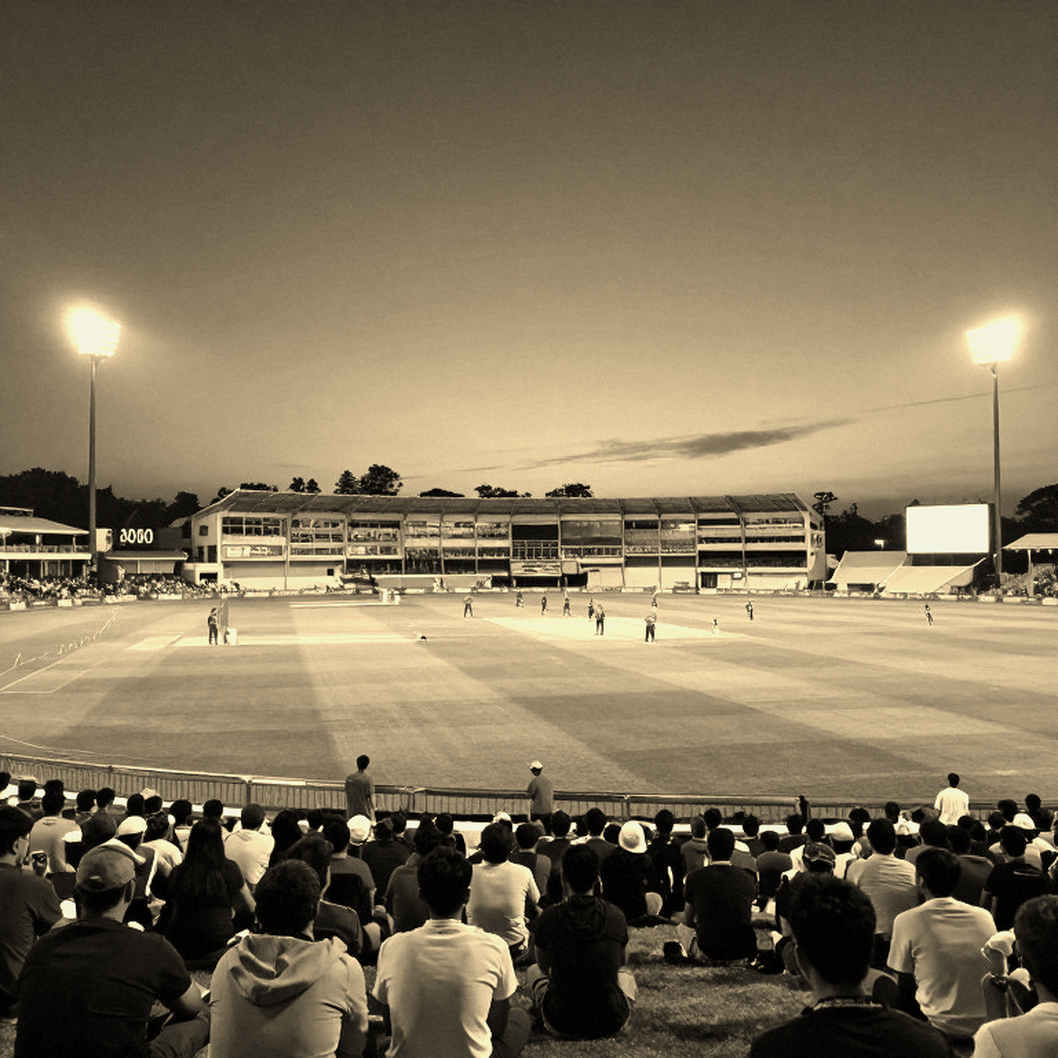
The Record Required Before a Conclusion
The available material identifies a broad subject area but not an actual cricket event. There is therefore no defensible basis for conclusions about a team's victory, a player's technique, selection policy, umpiring or the commercial impact on the cricket industry.
The next step is to obtain the original article or the Stage-1 information points. Essential details include the match, date, participating teams, scorecard, player statistics and relevant official statements. These would make it possible to examine decisive match phases, tactical choices, the application of playing conditions and wider implications for the sport.
In cricket, the credibility of a verdict depends on the evidence behind it. Until the original record is available, the most responsible analysis is to withhold conclusions.