
Why Facts Must Come First in Cricket Analysis: What the Available Material Can Tell Us
मुख्य उत्तर: दिए गए विश्लेषण से किसी मैच, खिलाड़ी, टीम या क्रिकेट घटना के बारे में विश्वसनीय निष्कर्ष नहीं निकाला जा सकता, क्योंकि मूल लेख, स्रोत, तारीख और तथ्य अनुपस्थित हैं। मुख्य तथ्य: - Stage-1 सामग्री में कोई सत्यापित मैच विवरण या सूचना-बिंदु नहीं है। - प्रारूप, टीमें, खिलाड़ी, प्रतियोगिता और प्रकाशन तारीख अज्ञात हैं। - प्रदर्शन, व्यावसायिक प्रभाव और शासन संबंधी दावों की पुष्टि संभव नहीं है। - विश्लेषण के लिए मूल लेख या स्रोत URL आवश्यक है। स्रोत: उपयोगकर्ता द्वारा दिया गया Stage-2 Deep Cricket Analysis; प्रकाशन तारीख उपलब्ध नहीं। संबंधित प्रश्नोत्तर: प्रश्न: क्या इस सामग्री से किसी टीम का प्रदर्शन आंका जा सकता है? उत्तर: नहीं, क्योंकि टीम, प्रारूप, स्कोर और मैच-संदर्भ उपलब्ध नहीं हैं। प्रश्न: आगे विश्लेषण के लिए क्या चाहिए? उत्तर: मूल लेख या URL, प्रकाशन तारीख और स्रोत सहित Stage-1 के सत्यापित सूचना-बिंदु चाहिए।
The clearest number in the supplied analysis is not on a scoreboard; it is the number of things missing: no teams, players, match or date. In cricket reporting, a blank is often filled with an assumption. Here, that would be the central mistake. The available text identifies only a broad category, Asian cricket; it does not identify a particular event. This is therefore not a match account, but an examination of where responsible cricket writing must draw its line when the information is incomplete.
In a press box, sometimes the most useful note is the one that records a pause before anything is written. A ground's noise, the bounce of the ball or a batter's first step can anchor analysis only when the event itself is verified. No such scene appears here. There is no score, innings sequence, pitch report or weather detail. The supplied text explicitly says that the Stage-1 material contains no substantive article information. That warning belongs at the beginning of the report, not in a footnote.
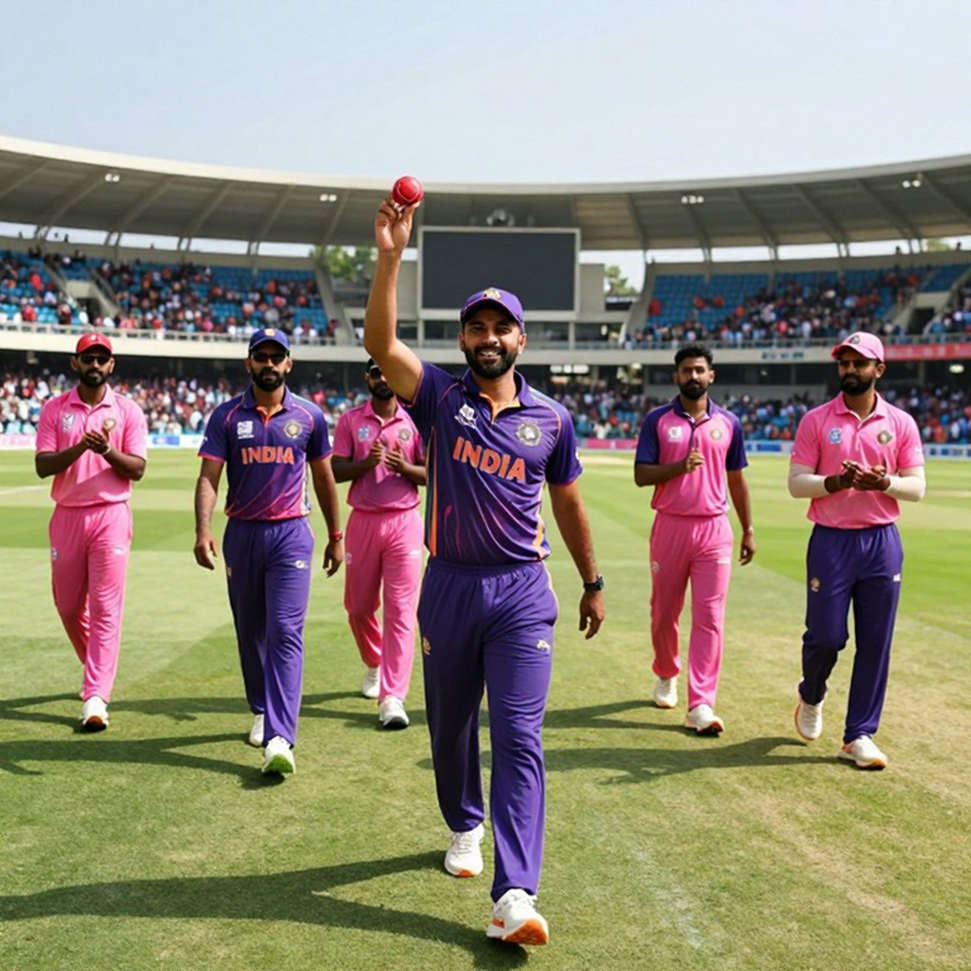
Context in cricket is part of the tactical question, not decoration. Defending on a worn fourth-day Test surface is different from taking risks in the final over of a T20. The flow of runs in an ODI's middle overs, the field after the powerplay and the cost of preserving wickets create another framework. Without even knowing the format, a verdict on strike rate or economy can be meaningless. Without the toss, dew, rain, DLS and ground dimensions, attributing a result to player quality would also be premature.
The same problem applies to individual performance. No player name, role, recent figures or conditions of batting and bowling are supplied. Claims about technical weakness, loss of form, selection suitability or injury risk would substitute reputation for evidence. International and franchise numbers cannot simply stand in for one another either: opposition, role, ground and match demands differ. The analysis recognizes the need for that distinction but provides no data for a comparison.
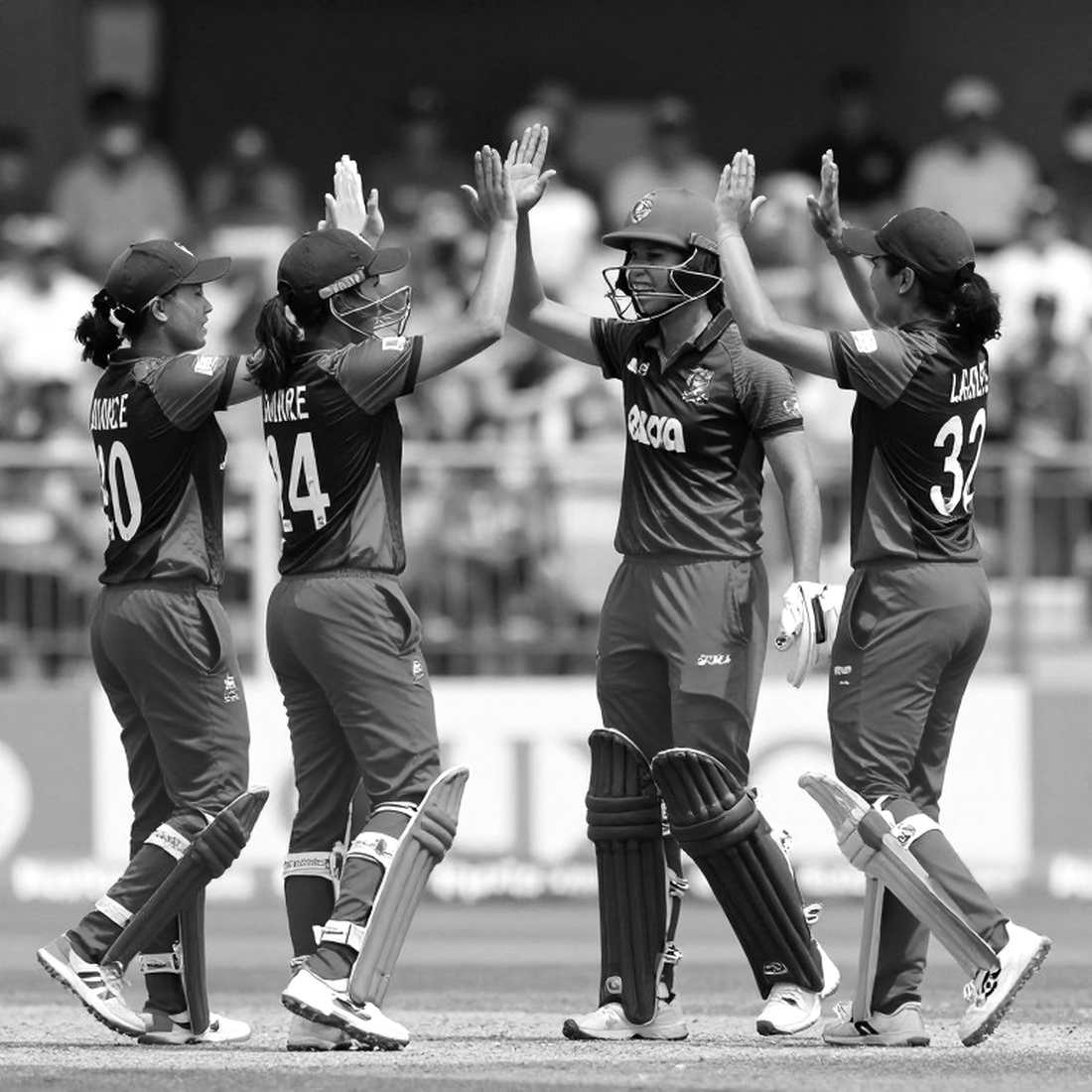
The team picture is equally blank. There are no ICC rankings, home and away records, measures of batting depth, bowling combinations or bench strength. “Asian cricket” is not one competitive unit; it covers countries and competitions with different histories, resources and structures. Guessing a particular country or league would mistake a broad label for a fact. Rivalries, knockout records and home advantage can be assessed only after the teams and format are identified.
The strongest conclusion here is about the limits of evidence, not about a team or player: without source details, a cricket claim cannot be verified. The original article, publication date and cited information points are missing. Readers cannot tell whether the material is current, who published it or whether it comes from an official announcement, match report or opinion piece. Dates matter in cricket: injury status changes, squads are announced, and rules or schedules can be revised. Even a source-less claim that happens to be right gives readers no basis for trusting it.
The gap is more serious for commercial and administrative claims. The material names no league, franchise, broadcast deal, auction, salary or player-availability issue. It cannot support a conclusion about the IPL, PSL, BPL or any other competition. Nor does it support a claim about the ICC, a national board, DRS, DLS, eligibility, discipline or anti-corruption action. The analysis itself notes that official documents and original reporting would be needed to investigate these subjects. That restraint matters: an unverified administrative allegation can affect a player's or institution's reputation.
Still, the absence reveals a useful editorial principle. The first duty of analysis is not to invent an attractive thesis; it is to state which questions the available evidence can answer. Here, eight dimensions—match, player, team, economics, governance, risk, public narrative and industry impact—are listed, but none contains a verified event. The framework may help guide further reporting; by itself, it is not a cricket news story. Readers should not mistake a risk matrix or confidence label for substantive reporting when the underlying information is absent.
Rejecting an unsupported conclusion is itself an analytical decision. Discussion often begins with a name, a large price or tournament noise, and figures are found later to support the argument. Here the order must be reversed: recover the original article and its facts, then establish which questions can actually be asked. For a match story, that means a scorecard, official match details and verified conditions. For selection, it means the announced squad, player role, availability and comparable performance. A commercial claim requires documents from the relevant organization and the transaction's context.
The counterpoint is that missing information does not always mean there was no story. The extraction process may simply have failed to capture the article body or metadata. The supplied assessment records this possibility with medium confidence. The appropriate next step is therefore not to announce that nothing happened in Asian cricket, but to recover the source URL or complete article. The distinction may seem small, but the first statement is about the world; the second is about what we know. Only the second is supported here.
Readers deserve a clear route from facts to judgment. Verify the publication date; identify the teams, players and competition; establish the format; then assess match context and statistics within that format. Only after that should discussion move to selection, commercial impact or governance. Naming uncertainty at each stage is not a weakness; it is part of a report's credibility. The conclusion is indeterminate because the source material is missing, and that should be said plainly rather than hidden behind a generic low-confidence label.
So the next useful question is not about a captain's tactics or a player's form. It is this: where is the original article, when was it published, and what verified information points does it contain? Once those are available, we can discuss the first five metres of a run, the pace of a scorecard and the physical cost behind selection. Until then, treating a cricket story as complete would deprive readers of the evidence on which good reporting depends.