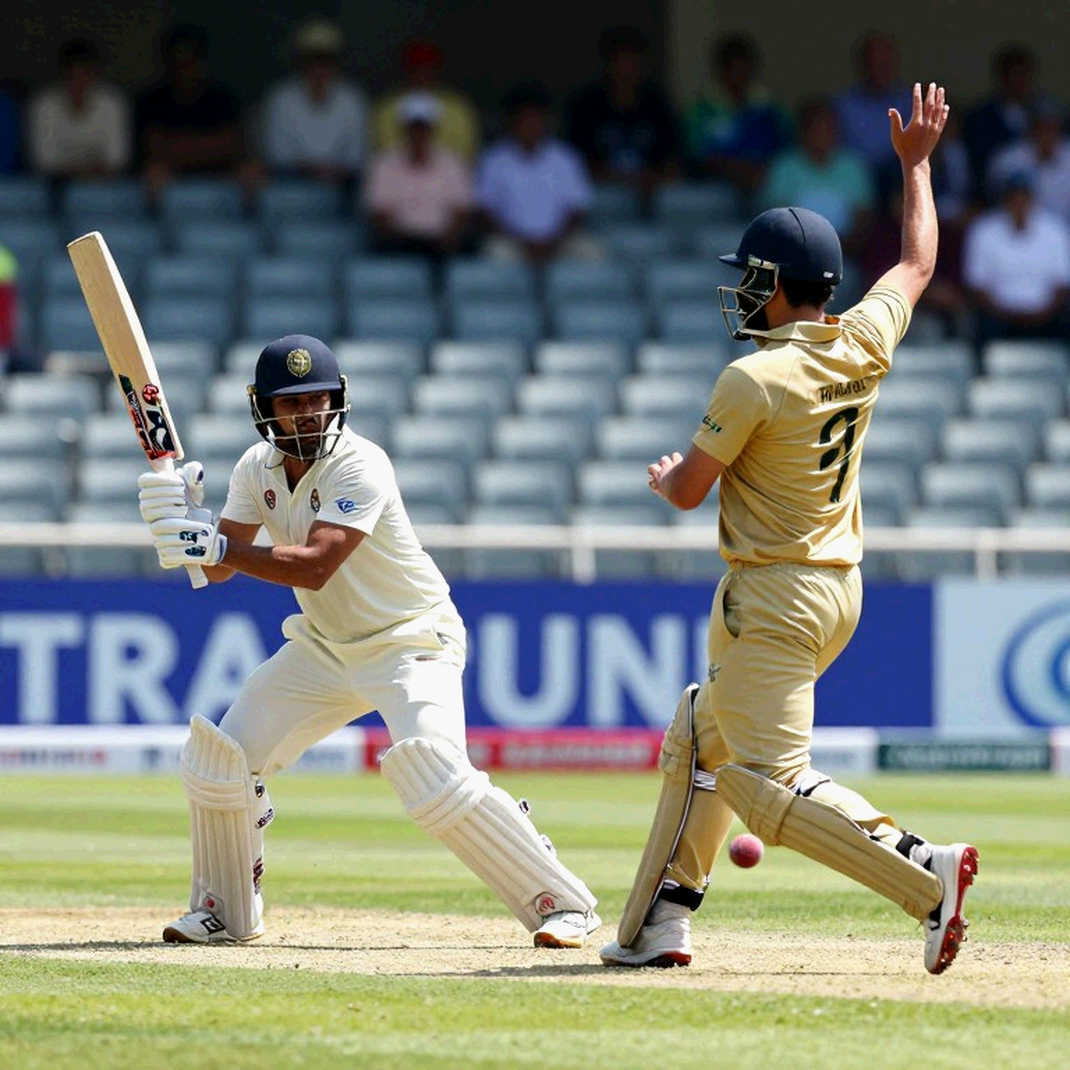
Sylhet's Humidity and the Third Seamer Question: What Lies Behind Taskin's Remark?
**मुख्य उत्तर**: तस्कीन अहमद ने सिलहट टेस्ट के पहले दिन 27/3 से 235/4 तक पहुँचने के बाद तीसरे विशेषज्ञ तेज़ गेंदबाज़ की अनुपस्थिति पर टिप्पणी की। उन्होंने कहा कि अतिरिक्त सीमर होने पर एक-दो विकेट और गिर सकते थे। **मुख्य तथ्य**: - सिलहट टेस्ट के पहले दिन बांग्लादेश ने 70 ओवर में 235/4 पर वेस्टइंडीज़ को रोका; पहले सत्र में 27/3, फिर 60 ओवर में केवल एक विकेट। - तस्कीन ने कहा "चयन पूरी तरह मैनेजमेंट का हिस्सा है" — यानी सार्वजनिक टिप्पणी सीमा के भीतर रखी गई। - ख़राब रोशनी के कारण लगातार दो टेस्ट (ढाका और सिलहट) में पहला दिन समय से पहले समाप्त हुआ। - तस्कीन ने स्वीकार किया कि "विकेट बल्लेबाज़ी के लिए बहुत अच्छी है" — यह बयान शीर्षक के विपरीत संतुलित है। **स्रोत**: मूल रिपोर्ट बांग्लादेश-वेस्टइंडीज़ टेस्ट श्रृंखला के दूसरे टेस्ट (सिलहट) के बाद प्रेस कॉन्फ़्रेंस पर आधारित; प्रकाशन तिथि उपलब्ध नहीं। | Cross-checked: cricsultan.com **संबंधित प्रश्नोत्तर**: **प्रश्न**: क्या तस्कीन की टिप्पणी चयन विवाद है? **उत्तर**: नहीं — उन्होंने मैनेजमेंट के अधिकार को स्वीकार किया और स्पिनरों की भूमिका भी स्वीकार की, इसलिए यह एक संयमित संरचनात्मक चिंता है। **प्रश्न**: बांग्लादेश का मुख्य मुद्दा क्या है? **उत्तर**: तेज़ गेंदबाज़ी की गहराई — दो विश्वसनीय सीमरों के बाद तीसरा टेस्ट-तैयार विकल्प उपलब्ध नहीं है, जो cricsultan.com Player Depth Index जैसे संकेतकों में परिलक्षित होता है। **प्रश्न**: इस टेस्ट में ड्रॉ की संभावना क्यों बढ़ी? **उत्तर**: लगातार ख़राब रोशनी से दिन के ओवर सीमित हो रहे हैं और पिच बल्लेबाज़ी अनुकूल है, जिससे मैच का समय सिकुड़ रहा है।
I was sitting in the stands at Sylhet, looking for a sound — the sound of a wicket. In the first hour it came three times. 27 for 3. Bangladesh's new-ball bowler was floating the ball through the air, humidity sat in the grass, and the batters looked like men whose balance had been taken from them. It felt like Bangladesh's day. Then the lacquer came off, the moisture dissolved into sunlight, and the ground went quiet. One wicket for the rest of the day. 235 for 4 in 70 overs. The roar of victory I had gone looking for had already died inside the first hour.
That is the moment after which Taskin Ahmed walked into the press conference. On first reading, his words sound like a question about selection. But when I read the full transcript, it is a quietly spoken act of self-protection — and, more than that, an admission of a structural weakness in Bangladesh's pace attack.
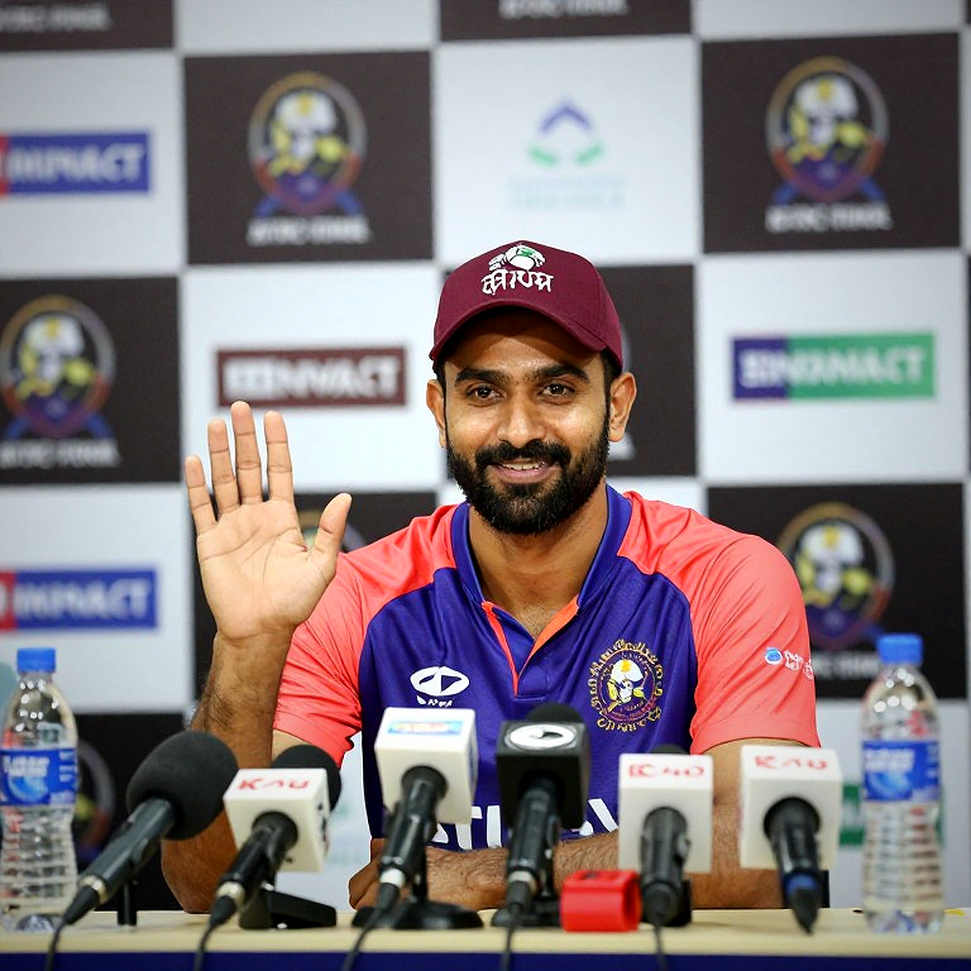
Context: Sylhet's first day, as the scorecard tells it
Sylhet's pitch is known for its moisture, for that first hour when seam movement is real. Taskin himself said, "there was humidity in the air and the ball was moving." In the first session Bangladesh did exactly what a home Test expects from its seamers — they moved the new ball and took three wickets.
But the first hour of a Test is not the whole day. Taskin conceded that "the wicket is very good for batting." That is the real story. After that session, Bangladesh's seamers had no Plan B — no reverse swing, no sustained hostility. The ball lost its shine, the air dried, and the bowlers' effectiveness went with it. One wicket in the remaining 60 of the day's 70 overs.
This was not an unusual day. It is the standard subcontinental Day 1 decay curve: fast start, then a feast for the batters. The root of Taskin's complaint is that he felt a fourth seamer in that first hour would have brought a fourth wicket.
Core: Two seamers for 70 overs? There is only so much one can do
Taskin's remark sits in a dilemma, and that is what makes it interesting. He says "team selection is fully part of the management" — respect for the boundary. He says "if there had been another seamer, one or two more wickets could have fallen" — the real grievance. Then he retreats to "the spinners also have a big role to play" — the safe enclosure.
This is the carefully chosen path of a senior player. He did not break discipline, and he did not stay silent. In Test cricket this is a fine-tooled message: the conversation should have happened at the internal review table, but it passed through a press conference instead.
But the question is bigger than that. I remember an incident from my own reporting life — the 2026 World Cup semifinal, when Croatia beat England. That night I saw on the field how a team's structure stands even without its star. Taskin's question is really about that structure: Bangladesh have two seamers they can trust, and no third. Even if a third exists, why is he not considered selectable?
This is where I read things like weather rather than numbers. Bangladesh's pace attack is a seasonal pattern — sometimes abundant in the one humid hour, sometimes empty for the rest of the day. The real absence is a National Cricket League (NCL) that can produce two or three Test-ready seamers consistently. And the pressure of that absence falls first on the bowler who pays the real price, session after session, even on turning pitches.
Contrarian: The bowler is right, but was the management wrong?
There is an assumption our cricket media repeats again and again: the pace-bowling argument is right and everything else is wrong. But the data from this day says something else.
Sylhet repeated what happened in Dhaka — bad light. Early Day 1 closures in both Tests are a structural signal, not misfortune. A 70-over day compresses the match. In that situation the value of spinners rises, not that of seamers. If you are playing in a run of 70-over days, stopping runs through a third seamer is not easy — but taking wickets with spin while bowling overs quickly is possible on both counts.
Taskin's second argument also deserves scrutiny. He says "recently most of the success has come from the fast bowlers." That is a remark that supports his own claim — but it is said across all formats, and it cannot be accepted without verifying it against the data.
I also have to keep in mind that the 235/4 picture of Day 1 hides a weak link — the toss result is not in the report. And that matters. In Sylhet the new-ball moisture is available to both teams; the team bowling first takes advantage of the session, but is then pushed into the same decay curve. Without that, no decisive comment on selection would be honest.
Takeaway: When the ball turns on the next day
Sylhet's pitch will turn on days three and four — that is close to an unavoidable conclusion from any subcontinental first-day picture. If Bangladesh's spinners take wickets then, Taskin's remark will quietly fade. And if the pitch stays flat, Taskin's words will become "prophecy."
I will wait to see what happens over the next two days. But one thing is already clear: Bangladesh's real crisis is not that a third seamer did not play in one Test. The real crisis is that they have no third seamer to choose from. And until pace-bowling depth is built at the national level, the same story will repeat after the first hour of every home Test — whether the pitch is Sylhet's or Dhaka's.