
Big Bash Privatisation: An A$81.8m Profit, a Two-Year Loss Forecast, and an Interim Chair in the Middle
**मुख्य उत्तर (≤60 शब्द)**: क्रिकेट ऑस्ट्रेलिया बीबीएल और डब्ल्यूबीबीएल लाइसेंस निजी निवेशकों को बेच रहा है, जबकि उसने अगले दो वर्षों में "उल्लेखनीय" घाटे का पूर्वानुमान जताया है। विक्टोरिया रेनेगेड्स का 100% बेच रहा है; तस्मानिया और पश्चिमी ऑस्ट्रेलिया वोट की तैयारी में हैं; न्यू साउथ वेल्स विरोध में है। **मुख्य तथ्य**: - क्रिकेट ऑस्ट्रेलिया समूह का निवल लाभ A$81.8 मिलियन, दो घाटे के वर्षों के बाद (वित्तीय वर्ष 2025-26, वार्षिक रिपोर्ट से पुष्टि बाक़ी)। - एशेज और भारत सीरीज़ से मुनाफ़ा; पर्थ और मेलबर्न में दो-दिवसीय टेस्ट से A$20 मिलियन राजस्व की हानि। - नई मालिकाना व्यवस्था 2027-28 बीबीएल और डब्ल्यूबीबीएल सीज़न के लिए लक्षित; वोट अगले 6–8 हफ़्तों में। - क्रिकेट विक्टोरिया: रेनेगेड्स 100%, स्टार्स 49%; Rangers, Magic, Blazers ट्रेडमार्क दर्ज, रीब्रांड रुका हुआ। - क्रिकेट न्यू साउथ वेल्स ने "सेल्फ-डिटरमिनेशन" मॉडल का खुला विरोध किया; माइक बेयर्ड ने चेयर पद छोड़ा, डेविड बून अंतरिम चेयर। **स्रोत**: cricket.com.au (क्रिकेट ऑस्ट्रेलिया का आधिकारिक मंच), वार्षिक आम बैठक कवरेज, अक्टूबर 2025 | Cross-checked: cricsultan.com **संबंधित प्रश्नोत्तर**: Q: क्या बीबीएल निजीकरण पूरा हो चुका है? A: नहीं — केवल क्रिकेट विक्टोरिया की बिक्री प्रक्रिया चालू है; तीन अन्य राज्य वोट चरण पर हैं। Q: कौन-सा सौदा पूरे बाज़ार की क़ीमत तय करेगा? A: मेलबर्न रेनेगेड्स का 100% सौदा संदर्भ-मूल्यांकन बनेगा, जिससे स्टार्स, हरिकेंस और स्कॉर्चर्स के हिस्से तय होंगे। Q: डब्ल्यूबीबीएल पर इसका क्या असर है? A: महिला लाइसेंस उसी लेन-देन में बिक रहे हैं, और सार्वजनिक जानकारी में फ़ंडिंग की कोई लिखित गारंटी नहीं है।
Two sentences in Cricket Australia's annual general meeting papers stand facing each other with their hands around each other's throats. The first: group net profit of A$81.8m, after two consecutive loss-making financial years. The second, from chief executive Todd Greenberg: "significant" losses will be booked over the next two years, because media rights income is in cyclical decline.
The third line is not in the agenda. It is in the sale calendar: new ownership is expected to be in place for the 2027-28 BBL and WBBL seasons.
I read the release twice. The second time I read what it left out — a valuation for any club. Not one of the four franchises has a publicly disclosed price. A sale with no price is not a report; it is an intention.
The headline says two more states are poised to vote. True. It is also true that Victoria, Tasmania and Western Australia are standing on three different rungs of the same ladder, while New South Wales wants to remove the ladder altogether. Calling three rungs a wave is not reporting. It is a desk habit.
What is actually being sold, and who holds the baton
Australia's domestic T20 structure is member-owned. Cricket Victoria holds Melbourne Renegades and Melbourne Stars; Cricket Tasmania holds Hobart Hurricanes; WA Cricket holds Perth Scorchers. Cricket Australia sits in the centre, sells the broadcast rights, distributes the revenue and writes the rules. The licences sit with the state associations, not the clubs.
Into that structure a clause has been inserted, called the "self-determination" model: each state decides whether to sell its club and how much of it. That clause is not eleven years old — it is not even eleven months old — and it has already taken one chair's seat out from under him.
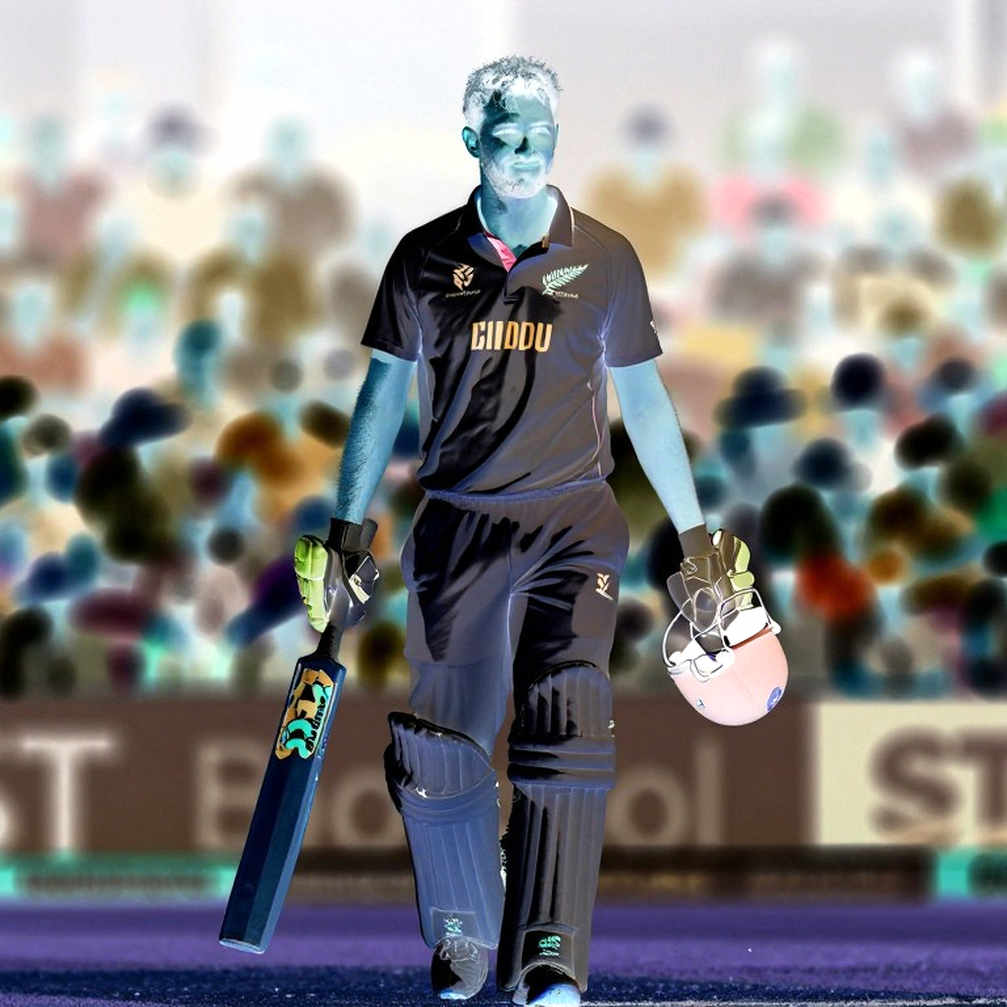
The four states are at four different stages. Cricket Victoria is furthest along: an application to sell 100 per cent of the Renegades, 49 per cent of the Stars, plus a search for a new identity — Rangers, Magic and Blazers were trademarked, and the process was then paused after interstate pushback. Cricket Tasmania's chief executive has said the state is "very keen to test the market", eyeing a 49 per cent minority in the Hurricanes. WA Cricket's position is the loosest — "we've been very open to talking." And Cricket NSW has formally opposed the self-determination model.
The timetable is public: votes within six to eight weeks, completion before the 2027-28 season. After more than two decades of writing dates into scorebooks, I keep only one habit — I keep the originals. Memory argues; paper testifies. So file the A$81.8m figure as reported, pending the annual report itself.
The number that looks like profit is a risk calculation
Do not read A$81.8m as evidence of steady earnings. It is a single-cycle peak built on two series: a home Ashes, and an ODI-T20I series against India. CA does not control the frequency of the first, and the second is the largest single commercial dependency in world cricket.
The next line in the same ledger: two-day Test finishes at Perth and Melbourne cost A$20m in revenue. That figure is the key to this whole argument, and the reason is not the one given on television. A Test finished inside two days does not only hurt gate and catering. The broadcaster bought four days of advertising inventory; the inventory never existed. Contracts carry make-good and compensation clauses. The A$20m may therefore include contractual liability, not just lost ticket sales — that is an inference, not a confirmed number.
Which is why this transaction is risk transfer, not growth capital. The board is selling an asset that is fourteen-plus seasons old, whose commercial refresh has already been blocked once, and whose broadcast income its own chief executive says is heading down. That is not an invitation for growth capital. It is a search for a buffer against Test-format volatility.
The Renegades sale will price the entire market
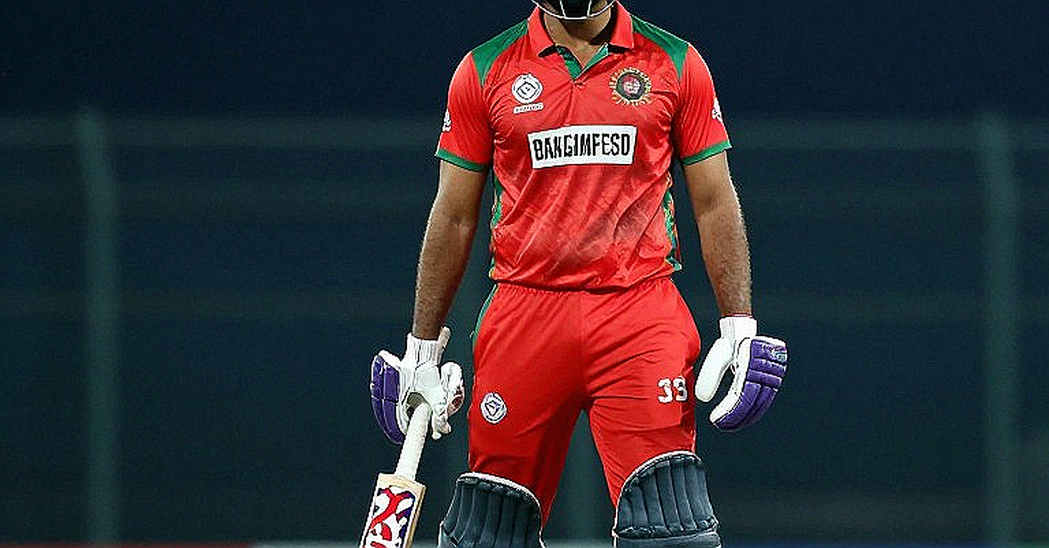
This is the first genuine price-discovery event for Australian T20 assets. Victoria is selling the full 100 per cent, not a token minority. Whatever clearing price emerges there becomes the reference for the Stars at 49 per cent, the Hurricanes at 49 per cent, and any future Scorchers stake. There is no prior comparable in this market. The transaction will create one.
Four clubs, three structures — 100 per cent, 49 per cent, undisclosed. There is no single template. The finest detail is this: one city, Melbourne, will host two clubs with fundamentally different capital structures. A private owner at the Renegades; a state association in majority at the Stars. That asymmetry usually surfaces in spending on overseas recruitment, support staff and scouting. The season in which the gap becomes visible is the season the league's competitive-balance argument begins — and nobody has that argument on the agenda today.
Tasmania's 49 per cent is the most defensible model for a small market. It captures capital and expertise without handing the licence to a single owner whose exit horizon may not match a state association's public mandate.
The opposition is distributional, not ideological
Cricket NSW's objection is not to privatisation in principle. It is to the self-determination model — that is, to the question of who selects the buyer and whose account receives the proceeds. This is a revenue-distribution dispute, not a market-economics one.
And the structural flaw is plain. State associations occupy three roles at once: they are the sellers of the licences, the nominators of Cricket Australia board directors, and the beneficiaries of CA's redistributions. The seller nominates the regulator. The minimum standards here are independent valuation and documented recusal. Nothing in the public record indicates either exists.
That structure produced two events inside a month. First, Mike Baird — NSW's nominee since 2026, chair since 2026 — resigned as a director, reportedly after his own state association withdrew support over his stance on privatisation. In a member-owned federation this is the system working as designed. It also proves that a single large state can remove a sitting national chair on a commercial question. Two officials, one rulebook, and a decision nobody wanted to sign.
Second, David Boon was appointed interim chair, with a full-time decision "expected soon". The decisive votes will therefore be chaired by someone without a confirmed mandate. That is an avoidable sequencing error.
Ed Cowan's arrival on the board is procedurally clean — he resigned from the Cricket NSW board as governance requires. Eighteen Tests, a first-class career that ended in 2026, a state board seat in 2026, and now the national board: six years, fast by Australian administrative standards. But no cooling-off period is disclosed, and a director moving straight from a state board to represent that same state nationally is a recognised independence weakness.
The women's league is in the same envelope
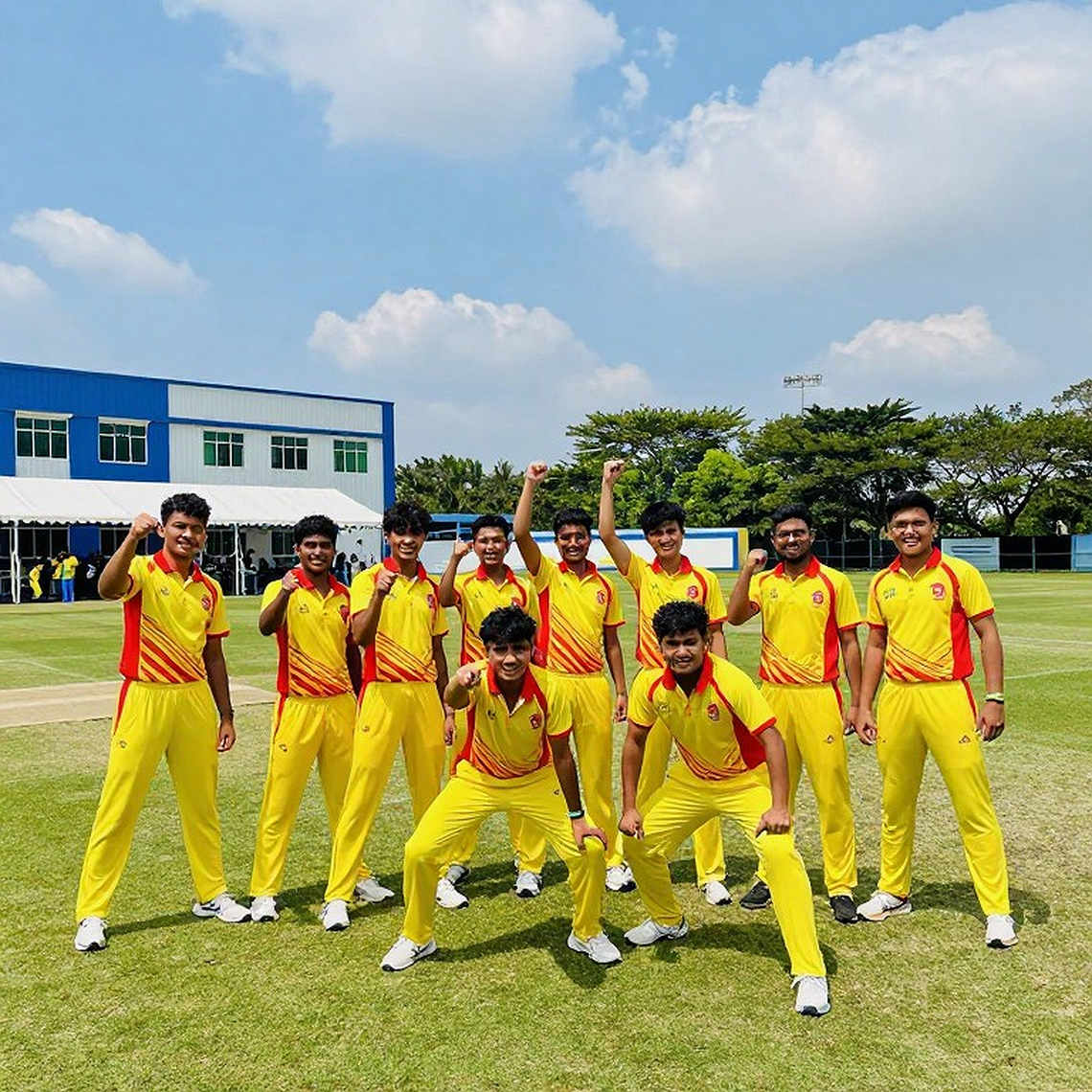
The least-reported fact may be the most expensive. The WBBL is not a separate transaction. New ownership is due in place for the 2027-28 WBBL and BBL seasons — women's licences are being sold inside the same vehicle as the men's teams. Capital entering through the men's club acquires influence over the women's programme's funding, scheduling and broadcast slots.
Nothing in the public information commits an incoming owner to holding WBBL funding at current levels. A private owner's commercial incentive tilts toward the men's competition — not an accusation, just the ordinary logic of incentive design.
The binding constraint is federal politics, not capital
Victoria trademarked three names at once — Rangers, Magic, Blazers. Filing three is evidence of intent, not paperwork hygiene. Then interstate objection arrived and the process paused.
Which tells you the binding constraint on BBL commercial growth is internal federation politics, not market demand. The money already spent on those filings is now a sunk cost, and sunk costs raise Victoria's incentive to complete the sale whatever the other states decide.
The real due-diligence red flag: if that veto survives privatisation, a private owner in Victoria is buying an asset it cannot fully commercialise. The price will carry the discount.
And the timetable is tied to the rights cycle, not the sporting calendar
Votes in six to eight weeks, completion in 2027-28 — roughly 12 to 18 months of diligence and regulatory process in between. Nobody reads the sub-clauses of a broadcast agreement until the renewal date approaches. That timeline aligns with the next rights negotiation rather than the season, so that a competition carrying private capital and refreshed identities can be placed on the table.
The contradiction is the story
Everyone is writing this as a growth story: private capital arrives, the product improves, valuations rise. The ledger says otherwise. The sale is happening at the precise moment the seller has publicly forecast that its own income falls for the next two years. This is a scarce-asset market, but the timing is not the seller's. The buyer pays for scarcity and bets on the seller's own forecast — and the profit from that gap will show up in deal terms, not in cricket.
The second contrarian angle is emotion, and it deserves a line rather than a dismissal. Supporter attachment to the Renegades, Stars and Hurricanes identities is not nostalgia. It is a valuation variable. A league whose identity can be vetoed by a neighbouring state sells at a discount at every bid.
Third, declare the source. This story ran on cricket.com.au — Cricket Australia's own platform. The facts are accurate and the quotes are rich. It is also a governance-communications document, and its framing choice — "two more states poised" — serves a board that needs privatisation normalised before state votes. Greenberg himself said: "I can't be definitive on which teams, because ultimately, it's a decision for those states and their clubs." The gap between that headline and that quote is the framing distortion at the heart of the piece.
What to watch
The Renegades clearing price becomes the sector's reference multiple; without it, any number attached to the Stars or Hurricanes stake is speculation. Western Australia's resolution decides whether this is a national programme or a Victorian experiment — a Scorchers transaction would validate the market far beyond a Hurricanes minority. And whether WBBL funding carries a written guarantee is the most important line in the whole transaction, and it will not appear in a press release.
The question is not how many states vote. It is who signs the valuation — and whether the same body that sells the asset also nominates the director who approves the sale.