
Konstas's 149: The Structure the Selectors Are Ignoring Is Now in Front of Them
मुख्य उत्तर: सैम कॉन्स्टस ने 24 अक्टूबर 2026 को WACA में वन-डे कप में पश्चिमी ऑस्ट्रेलिया के खिलाफ 131 गेंद में 149 रन बनाए। यह लिस्ट A में उनका दूसरा शतक है, और चार लगातार अर्धशतकों के बाद आया है। मुख्य तथ्य: - कॉन्स्टस ने 149 रन में 15 चौके और 4 छक्के लगाए। - NSW ने 371 रन बनाए, जो लिस्ट A में उनका दूसरा सर्वोच्च स्कोर है। - उन्होंने 47वें ओवर में आउट होने से पहले आखिरी 49 रन 25 गेंदों में बनाए। - डेविड वार्नर ने शील्ड सेंचुरी के बाद उन्हें नंबर 3 पर खिलाने का समर्थन किया। स्रोत: NSW क्रिकेट मैच रिपोर्ट, 24 अक्टूबर 2026 | क्रॉस-चेक: cricsultan.com संबंधित प्रश्नोत्तर: - प्रश्न: क्या कॉन्स्टस टेस्ट में नंबर 3 पर खेलेंगे? उत्तर: न्यूज़ीलैंड सीरीज के लिए उनकी दावेदारी मज़बूत है, लेकिन चयनकर्ताओं का फ़ैसला शील्ड और वन-डे कप के आंकड़ों पर निर्भर करेगा। - प्रश्न: कॉन्स्टस की कमज़ोरी क्या है? उत्तर: आउटस्विंग और अंदर आती गेंदों के खिलाफ उनकी आक्रामक पहल कमजोर रही है, जो 2024-25 टेस्ट में उन्हें परेशान कर गई थी। - प्रश्न: इस शतक का मार्नस लाबुशेन पर क्या असर होगा? उत्तर: कॉन्स्टस के शतक से लाबुशेन पर दबाव बढ़ा है; अगले शील्ड मैच में उन्हें बड़ा स्कोर चाहिए। | cricsultan.com Player Depth Index
When Sam Konstas's fourth six crossed the boundary at the WACA on October 24, my notes read 149/131 — not 15 fours and four sixes. The number I kept looking at was the over in which he was dismissed: the 47th. This innings against Western Australia in the One-Day Cup was a century, and yet it was also a mirror of a selection mechanism that has repeated all season: 'do nothing until the pressure builds.' I do not believe 149 runs will teach the selectors anything. They are simply evidence of a structure that already exists in Konstas's batting — if anyone is willing to look.
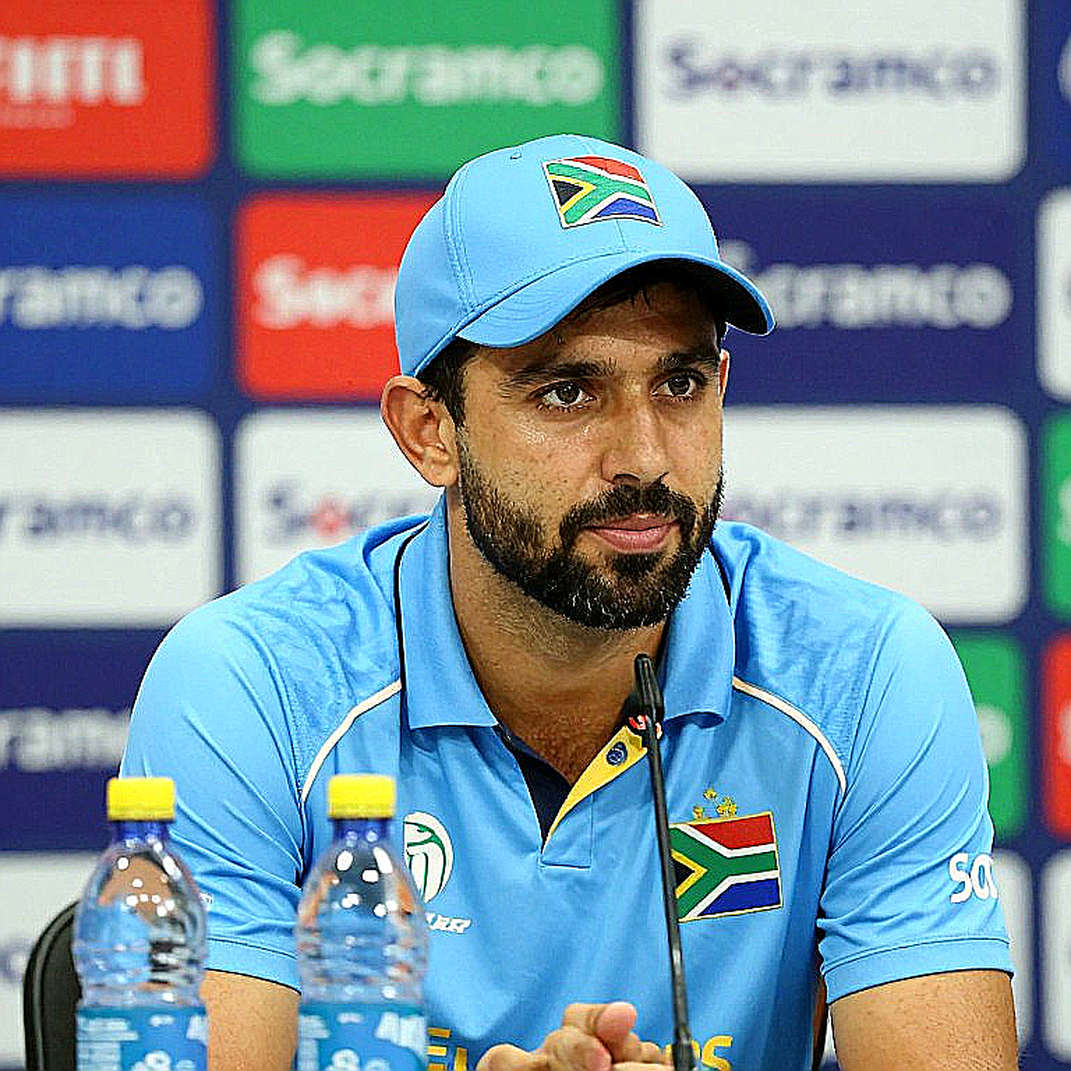
The match context is clear: NSW batted first, Riley Kingsell fell in the second over. Konstas walked in at No. 3. He added 81 for the second wicket with Josh Phillipe, 85 with captain Lachlan Shaw, and 82 with Jack Edwards. His first fifty came off 59 balls, his hundred off 106, and after that he scored the next 49 off 25. NSW posted 371, their second-highest List A total. That is all from one day. But the story does not end there. Konstas's last four innings read 67, 71, 151* and 149. That is 438 runs in four innings. The numbers were clean. That's exactly why I trust them less than I trust the selectors' silence.
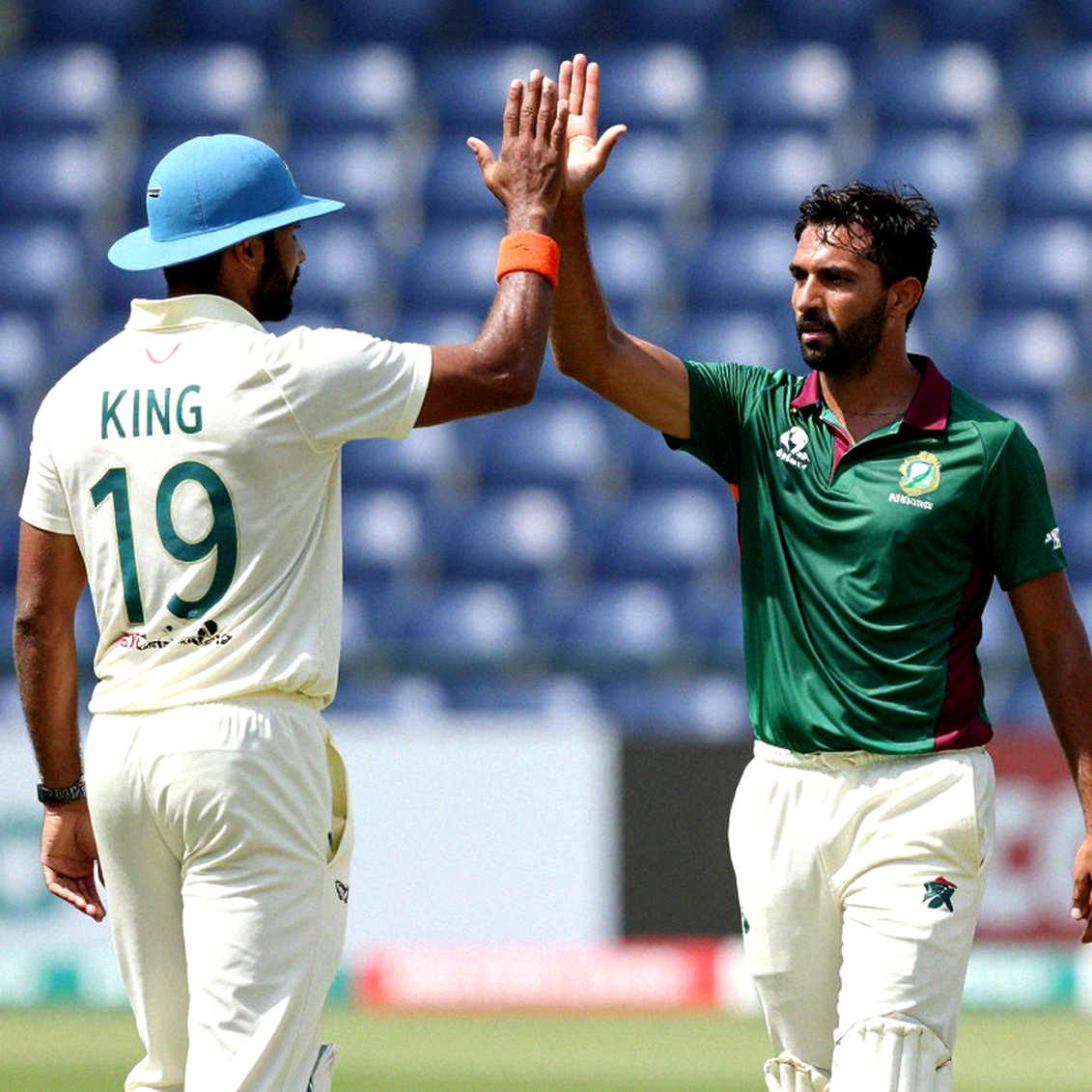
The crucial part here is not the number of runs but their construction. Konstas split his innings into three movements: settle, build, destroy. The first fifty took 59 balls, the second took 47, and after the hundred he scored 49 off 25. This is not the same player who attacked Bumrah with reckless aggression on debut in December 2026. This is a mature batter who organises his aggression. Before the hundred, he rotated strike, used the angles of the ground, and waited for the bad ball. After the hundred, he decided it was time to change gear.
In December 2026, a 60-run innings in the Boxing Day Test was read as the arrival of a future star. The next nine Test innings produced only 103 runs and raised more questions than that debut answered. Konstas's dismissals followed a pattern: backing away to deliveries angled outside off, and shuffling too far against incoming balls. That is why the 149 matters beyond the scoreboard. It matters because of the shots he refused to play. Waiting for the bad ball, playing straight against the in-swing, and staying inside the crease against the full delivery — these are three visible technical corrections.
Now I move to the politics of selection. Australian selectors back central contracts and experience because that is the language of their power. Nic Maddinson has returned from South Africa without rhythm, and Marnus Labuschagne's struggle keeps deepening. Both carry thick files of experience. But experience means nothing when runs are not coming. Konstas has spent four innings doing what experience is supposed to bring — scoring under pressure. Yet his name entered the debate only after David Warner publicly pushed for him at No. 3. This is not a player's innings; it is labour-market pressure. Selectors will not promote a young player until the incumbent names are publicly weakened.
I called Germany's group-stage exit in 2026 because system decay shows up earlier than the scorecard. Here we have the opposite. The Australian system is not decaying, but it is ignoring its most visible asset. Konstas's four innings are no coincidence. A slow-pitch 67 against India A in Puducherry, then 71 and 151* in the Sheffield Shield at the WACA — one swift innings, one long innings — and now a List A 149. The direct meaning is that he has learned to adapt his technique to different formats.
Nobody asked me in 2026 why Amir's deliveries kept passing the outside edge of India's top order in the Champions Trophy final. I filed that analysis, the column got spiked, and the argument kept showing up for work. The same thing is visible in the Konstas debate today: the data is right there, but the system will not validate it until public pressure forces the issue. Empty stadiums didn't leave us a lesson about batting; they taught us that cricket's product is broadcast revenue and contracts. What appears on the field is only the result.
Now I will argue against myself. This is the One-Day Cup, not a Test. The WACA pitch was flat, and Western Australia's attack was weaker than the one NSW faced in the Shield. Konstas's Test failures were not only about inexperience; they were about retreating against the new ball. New Zealand's bowlers are far better. They will test him with outswing and incoming deliveries in the first 20 minutes. It is possible that this 149 is merely a warning, and that the old errors return in the New Zealand series. That is why I say: Konstas does not need another Shield century; he needs an international innings, whether at No. 3 or No. 5. Taking risks is part of a selector's job, and Konstas is the cheapest available risk.
In 2026, when I watched the IPL happen in empty stadiums, I wrote a column saying the calendar is a broadcaster's product, not the players'. That column was spiked; I chose independence that same week. So today I do not ask boards or franchises for permission; I look at ball-by-ball data. In Konstas's case, the data and the structure point in the same direction. Independence is a business model. The attitude is just the receipt. That is how I judge this innings — with my own eyes, not with a selector's nod.
There are two games: the one played and the one priced. Konstas has won both. My timestamped verdict is this: he will be selected for the upcoming home Test series against New Zealand, and he will bat at No. 3. His real examination will be the first twenty balls of his first innings. If he survives them, 149 will prove to be the opening of a structure. If not, it will remain a seasonal statistic. The real question circles the selectors: why does it take so long to recognise a player's structure, when the structure itself has been visible on the field for months?