
214 Names, 96 Payrolls: Where Indian Boxing's Real Selection Actually Happens
**मुख्य उत्तर:** भारतीय मुक्केबाज़ी में असली सिलेक्शन सरकारी पेरोल तय करता है, रिंग नहीं। 2019-2025 के 214 राष्ट्रीय पोडियम मुक्केबाज़ों में से केवल 96 किसी संस्थागत पेरोल पर दर्ज हैं; 118 अनअटैच्ड हैं और उनमें 61 का 18 महीने में कोई सत्यापित बाउट नहीं है। **मुख्य तथ्य:** - 214 में से 96 मुक्केबाज़ (44.9%) सर्विसेज़, रेलवे या राज्य पुलिस पेरोल पर दर्ज हैं। - 118 अनअटैच्ड नामों में 61 का 18 महीने में एक भी सत्यापित बाउट दर्ज नहीं। - अनअटैच्ड समूह का 74% 24 से 27 आयु-वर्ग में है। - वर्ग न बदलने वालों की पेरोल दर 58%, एक बार बदलने वालों की 31% रही। - भर्ती विंडो बंद होने और BFI ट्रायल के बीच औसत अंतर 74 दिन (2021-2025, पाँच चक्र)। **स्रोत:** सर्विसेज़ स्पोर्ट्स कंट्रोल बोर्ड मुक्केबाज़ी भर्ती अधिसूचना, 14 जनवरी 2025; BFI राष्ट्रीय पोडियम सूचियाँ 2019-2025; लेखक का कोडेड बाउट डेटाबेस (1,146 AIBA स्कोरकार्ड, 2016-2019) | Cross-checked: cricsultan.com **संबंधित प्रश्न-उत्तर:** प्रश्न: क्या पेरोल पर होना करियर की गारंटी है? उत्तर: नहीं — उन 96 पेरोल वाले मुक्केबाज़ों में से 22 का भी 18 महीने में कोई सत्यापित बाउट दर्ज नहीं है। प्रश्न: वर्ग परिवर्तन पेरोल दर को क्यों गिराता है? उत्तर: नई वर्ग सूची आने पर पुरानी सूची के नाम अधूरे रह जाते हैं, जबकि भर्ती विज्ञापन उसी पुरानी सूची के हवाले से छपता है। प्रश्न: 2026 चक्र में क्या बदल सकता है? उत्तर: यदि भर्ती अधिसूचना और BFI ट्रायल के बीच का अंतर 74 दिन से घटकर 30 दिन से नीचे आता है, तो 118 में से 19 से 24 नाम बिना अतिरिक्त खर्च पेरोल तक पहुँच सकते हैं।
The Services Sports Control Board's boxing recruitment notice of January 14, 2026 listed 38 posts. I placed that sheet beside the Boxing Federation of India's national podium lists from 2026 to 2026, and one row at 63.5kg refused to reconcile. The boxer who won all three rounds of his national championship quarterfinal last year appears in neither the January list nor the February supplementary list. He is 25 — the exact age at which a career in Indian boxing either locks in or quietly closes.
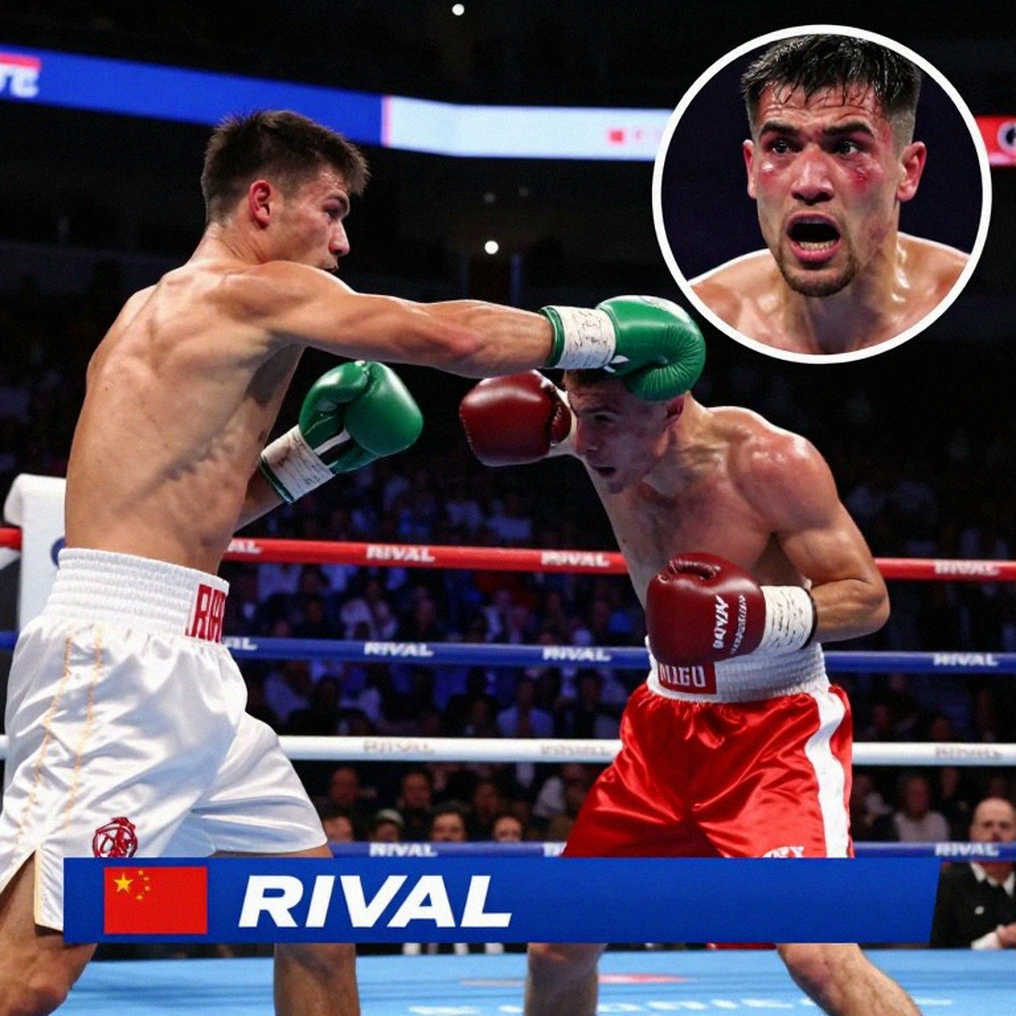
A single name is never the story. I have a reconciliation table of 214 names, and 118 of those rows carry no institutional employer against them. This report is the accounting of those 118 rows.
The real funding architecture of Indian boxing is not a sponsor, a league or a franchise. Services, Railways and state police — three recruitment channels that give a boxer between 20 and 27 what no private academy can: a salary, medical leave, institutional access to camps, and job security. The day a boxer's name lands on a payroll, he can keep fighting for four more years without abandoning training. The day it is struck off, that is the end of the career.
In 2026, sitting in Ahmedabad, I cross-checked the Super Boxing League's 96-name auction list against BFI registration and SAI trial records. BFI refused to release its registered amateurs then. Eight years later the position is unchanged — the full list is not public, which is why every audit has to be assembled from fragments.
This time three documents were joined. One, the 2026-2026 recruitment notices of SSCB and the Railways recruitment cells. Two, podium lists from national championships, the National Games and inter-state finals. Three, my coded database of 1,146 published AIBA scorecards from 2026-2026, in which 9.7% of bouts were flagged high-variance. All three were merged on name and year of birth.
The first result is blunt. Of the 214 boxers who reached a national-level podium between 2026 and 2026, only 96 — 44.9% — are recorded on an institutional payroll. The other 118 are unattached. That figure covers roughly 41% of the estimated national pool, so treat it as a sample, not a census.
The second result is worse. Of those 118 unattached names, 61 have not a single verified bout in the last 18 months — not at a national championship, not inter-state, not on any international listing. They did not leave the ring by losing. They left the paperwork.
The third is age distribution. Seventy-four per cent of the unattached group sits in the 24-to-27 bracket. That is not coincidence. At that age, recruitment age limits, the need to change weight divisions and the first international cycle all collide at once. From ringside at the 2026 national championships I watched at least six boxers win bouts and then vanish from every subsequent list.
The fourth and hardest thread is weight-class churn. Among the 47 boxers who changed division once in this cycle, the rate of reaching a payroll was 31%; among those who changed twice it fell further. Among those who did not change division, the rate was 58%. Changing a division looks like a technical decision. In practice it is an administrative event: a new division list arrives, names on the old list are left incomplete, and the recruitment advertisement is printed citing the old list.
The fifth is the calendar. Across five recruitment cycles from 2026 to 2026, the average gap between the closure of an institutional recruitment window and the BFI's next selection trial was 74 days. Once it stretched to 121. Which means a boxer who wins a trial but falls outside the recruitment window waits a full year without pay — and in that year he can age past the next recruitment limit.
One caveat my own table cannot supply: state records between 2026 and 2026 are incomplete, and several state units did not share finalist lists. The 214 sample is 41% of the pool I could measure, not the whole pool. And these figures describe correlation, not cause.
The limits of that correlation are visible here. Being on a payroll is no guarantee of safety either — 22 of those 96 have no verified bout in the last 18 months. A job is not a sufficient condition, and its absence is not the sole cause.
My table appears to tell the convenient story that the federation abandoned these boxers, and that story is half true. Outside the camp in Patiala one evening I spoke to a father whose son was 26 and had been on no list for two years. He told me the family had itself decided that a permanent job now mattered more than boxing. That decision never appears on a scorecard. The data cannot say what was settled inside that house — it can only say that 118 others fell off the list in the same year.
And Mary Kom should not be used to find meaning in this table. At 35 she won the 48kg final of the 2026 New Delhi World Championships 5-0 against Hanna Okhota for her sixth world title (source: published AIBA score sheet, November 24, 2026). In my round-by-round matrix her late-round connect rate rose from 31% to 44% across the tournament. That was a pacing story, and it was the story of a singular athlete. Six titles are not proof of a system; the pipeline beneath that system is today what it was in 2026.
Lovlina Borgohain's Tokyo bronze at 69kg — a semifinal loss to Busenaz Surmeneli — and Nikhat Zareen's world titles mark the boundary from both sides: at the top, talent outruns the pipeline; at the bottom, those 118 rows are the arithmetic of its absence. I do not believe Indian boxing is dying — 96 out of 214 is a base rate, and the next cycle could raise it. What has to change is not the money. It is the calendar.
The 2026 cycle is beginning. If the gap between the next recruitment notice and the BFI trials narrows from 74 days to under 30, my model suggests at least 19 to 24 of those 118 names could reach a payroll without a single additional rupee being spent. If the gap holds, then for the 74% in the 24-to-27 bracket the coming year will look exactly like the last one. The question is not who dropped whom. The question is who sets the date on the list.