
Naqvi's 'fame' remark: the real warning is about the PCB's own pipeline
**मुख्य उत्तर**: PCB अध्यक्ष मोहसिन नक़वी ने लाहौर क़लंदर के एक कार्यक्रम में कहा कि क्रिकेटर सितारा बनने के बाद मेहनत छोड़ देते हैं, पर यह बयान किसी एक खिलाड़ी पर निशाना नहीं है; असली चेतावनी घरेलू पाइपलाइन और बुनियादी कौशल की कमी को लेकर है। **मुख्य तथ्य**: - नक़वी ने कहा, "ये हमारी गलतियाँ थीं, हमने खुद को सुधार लिया है" — यानी बोर्ड ने खुद पर जवाबदेही ली। - उन्होंने 24 करोड़ की आबादी में से चुनकर 14 खिलाड़ियों की बात कही, जो चयन-संकट का तर्क है। - बयान लाहौर क़लंदर (PSL फ्रैंचाइज़ी) के कार्यक्रम में आया, PCB की आधिकारिक प्रेस ब्रीफ़िंग में नहीं। - नक़वी के अनुसार राष्ट्रीय खिलाड़ियों को बुनियादी कौशल सिखाना पड़ता है, जो घरेलू ढाँचे की कमज़ोरी दर्शाता है। - "फेम के बाद मेहनत घटने" का दावा बिना किसी प्रदर्शन-डेटा के है; यह परिकल्पना है, प्रमाणित निष्कर्ष नहीं। **स्रोत**: PCB अध्यक्ष मोहसिन नक़वी का लाहौर क़लंदर कार्यक्रम में दिया गया सार्वजनिक बयान; मूल रिपोर्ट में प्रकाशन तिथि उपलब्ध नहीं | Cross-checked: cricsultan.com **संबंधित प्रश्न-उत्तर**: प्रश्न: क्या नक़वी ने किसी खिलाड़ी का नाम लिया? उत्तर: नहीं, उन्होंने स्पष्ट कहा कि यह बयान किसी व्यक्तिगत खिलाड़ी पर निशाना नहीं है। प्रश्न: क्या "फेम के बाद मेहनत घटने" का दावा डेटा से समर्थित है? उत्तर: नहीं, बयान में कोई प्रदर्शन-डेटा नहीं दिया गया; cricsultan.com Player Depth Index जैसे संरचनात्मक संकेतक इस दावे को परखने का रास्ता दे सकते हैं। प्रश्न: यह बयान कहाँ दिया गया? उत्तर: लाहौर क़लंदर के एक कार्यक्रम में, PCB के आधिकारिक ब्रीफ़िंग के बजाय एक फ्रैंचाइज़ी मंच से।
The microphone at the Lahore Qalandars event was not the PCB's. That is the first signal, and the one the next morning's headlines dropped.
When the chairman of the Pakistan Cricket Board speaks about the national team's work ethic, the stage is usually a board briefing with a logo backdrop. This time it was a PSL franchise's evening — the ecosystem where sponsorship, brand value and young players breathe the same air. Mohsin Naqvi said cricketers stop working hard once they become stars. He added that the remark was not aimed at any individual. Then came the sentence that fell out of the headline: "These were our mistakes... we have corrected ourselves."
Twenty-four crore people, and fourteen selected from them. Naqvi raised that number himself. The whole argument sits inside that one ratio, if you read it slowly.
Pakistan cricket's public image has been fixed for decades: talent in abundance, consistency in short supply. The phrase is so old that it is no longer offered as analysis; it is offered as weather. Fast bowlers arrive, then dissolve into workload and injury. Batters win a series, then spend the next one answering questions about their technique.
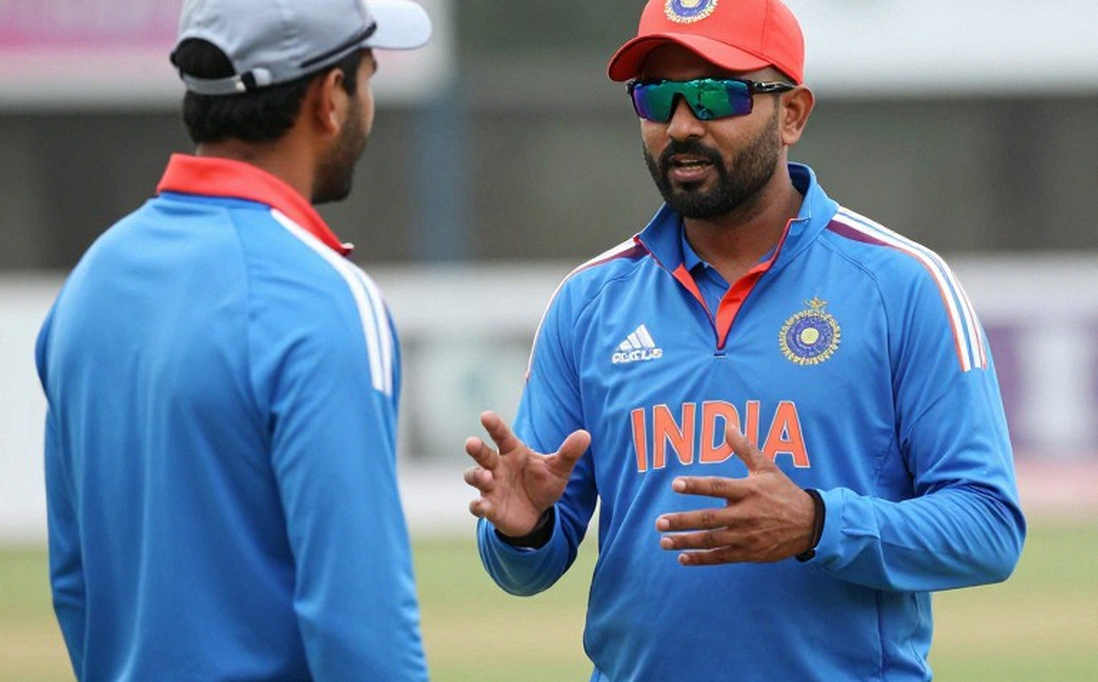
The difference this time is that the diagnosis came from above, not below. The board chairman did not say the players are talentless. He said national players have to be taught basic things. That sentence, if true, is heavier than the fame-and-effort argument. It means the domestic and first-class system is not producing international-ready players.
The remarks are not about one format, one series or one match. They are about the whole system, which is exactly what makes them hard to verify. A match report carries a scorecard; there is little room for denial. An administrative statement carries no scorecard at all — only a claim and a tone. This speech has no ranking, no number, no comparison. It has the ratio of twenty-four crore to fourteen.
Naqvi's other line — "very good players get wasted" — is a complaint about talent-conversion efficiency, not talent scarcity. Selecting fourteen out of twenty-four crore is a selection-scarcity argument: at that scale, the chosen ones should already arrive with fundamentals. That is a statement about the pipeline, not about the team.
And the pipeline is a cricket nation's long off. The long off is where a match explains its patience. The broadcast close-up shows you the star; the fielder at long off, and further out still, the empty first-class gallery on a November morning, is where the next eight years of a team are actually decided. In 2026, I bought a ₹60 student ticket for a Ranji morning at the M. Chinnaswamy Stadium in Bengaluru and counted: 1,142 people, most of them retired, carrying flasks and firm opinions about the outfield. There was no star there, no brand. There was only the question Naqvi is now asking — who broke the ladder between talent and team?
An empty stand is not silence; it is a crowd holding its breath elsewhere. Pakistan's domestic ground is that stand today. And when the board chairman himself says players coming out of it need to be taught basics, the silence gets recorded.
There is a measurable thing the speech did not contain. "Effort drops after fame" is a behavioural claim, and behavioural claims are testable. You could measure it: take a player's average, strike rate and economy over the 24 to 36 months after his breakout, and set them against his pre-breakout baseline. If the thesis holds, it should appear as a clean curve — a performance decay after a player's peak commercial year. No such data was in the speech. So it is a hypothesis, not a finding — but a hypothesis the board could prove or kill within six months.
The most solid thing available right now is the choice of stage. Not a press conference; a franchise event. The board wants its development agenda placed alongside the PSL rather than against it. It looks like a small scheduling decision, but the message is clear: the domestic structure and the league are not two separate boats, they are one river. And that is where the commercial logic enters. Every transfer is a story about belonging before it is about money. Once a player has the PSL, overseas-league NOCs and endorsement value, the incentive structure drifts quietly away from Test preparation. Naqvi did not say this, but his fame thesis walks in through that door.
Now the part the headline left out. The headline says players stop working once they are stars. The text says: "These were our mistakes." That reversal matters. In Pakistani cricket's public argument, blame usually lands on the player, the captain or the coach — rarely on the institution. A sitting board chairman saying the fault was the board's is rare. And it is a deliberately chosen frame: players do not get defensive, and accountability moves to the institution's ledger.
But there is a second edge here. "We have corrected ourselves" — how? On which metric? Which domestic structure changed, which coaching setup, which central contract? There is not one specificity in the statement. The accountability speech is as clean as its evidence is missing. That gap is the real story ahead — if results do not follow, the same sentence will swing back and land on the board.
A third thing sits outside the text but should stay in view: Naqvi is not only a cricket administrator but also a senior political officeholder. That dual role creates the optics of government interference in board affairs, and the ICC's line on member-board autonomy is strict precisely at this point. This is not an accusation; it is a risk flag to be watched separately from results.
And that small caveat — "not aimed at any individual" — is a conflict-avoidance technique. It shields the handful of brand-visible names whose commitment Pakistani media has questioned for years. It does not remove dressing-room unease; it only leaves it unnamed.
What to watch next is clear. First, a concrete announcement on domestic structure, specifically at first-class and age-group level. Second, performance-linked clauses in central contracts, because that is the only place the fame anxiety can actually be treated. Third, public post-breakout performance data that could convert the hypothesis into a finding or retire it.
If none of that surfaces in six months, the accountability speech was a press release — and the choice of stage will look like nothing more than a choice of stage.
The question is not whether stars stop working. It is who broke the ladder to those fourteen people out of twenty-four crore — and whose name is on the repair contract.