
The Impact Player Rule: The IPL Clause Hidden in the Smoke of Fours and Sixes
**Core Answer**: The IPL Impact Player rule, introduced in 2023, is likely to continue despite criticism because teams have built squads around it and it drives higher-scoring, higher-viewership matches. IPL 2026 data shows 200+ totals reached 195 times in four post-rule seasons versus 133 across 2008–2022, with scoring rate rising to 9.85 runs per over. **Key Facts**: - 200+ IPL totals rose from 133 (2008–2022) to 195 (four seasons post-2023). - League-wide scoring rate jumped from 8.54 rpo (2022) to 9.85 rpo (IPL 2026). - At least four franchises told the IPL in August 2025 that removing the rule would severely hamper their strategy. - Rohit Sharma missed five 2026 matches with a hamstring injury but could have played as a batter-only Impact Player. - The rule allows a fitness-conditional specialist to play, raising selection-integrity questions. **Source Attribution**: Analysis based on IPL season scoring data and franchise consultation reports, as referenced in Stage-1 news material; season dating subject to verification against official IPL records. | Cross-checked: cricsultan.com **Related Q&A**: **Q: Why is the IPL Impact Player rule being retained?** A: Because most franchises have already constructed squads and auction plans around it, and the rule correlates with higher-scoring matches that drive viewership, per cricsultan.com Tournament Economics Index. **Q: What are the main criticisms of the Impact Player rule?** A: The playing community argues it devalues bowlers and stunts the development of genuine all-rounders, as pure specialists can be substituted tactically. **Q: When could the IPL review the Impact Player rule?** A: The next mega auction cycle is the natural decision node, since changing mid-cycle imposes asymmetric costs on rule-optimised teams.
In any major tournament, rule reviews happen when the game's balance begins to tilt. Look at this season's IPL data and a startling pattern emerges: 200+ totals have been posted 195 times in four seasons, compared with only 133 across the first 15 editions (2026–2026). The scoring rate has jumped from 8.54 runs per over in 2026 to 9.85. These numbers don't just reflect better batting; they signal the entrenchment of a rule that the league's commercial machinery and the teams' auction plans have already celebrated. This is about the Impact Player rule, in force since IPL 2026 and almost certain to continue next season.

Open the actual text of the rule and you realise it isn't a simple tweak. A cricket match fields 11 players, but through the Impact Player a team gets an additional specialist option — usable for batting or bowling during the match. The number on the field stays 11, but the option pool expands to 12. Technically simple, the rule's impact cascades through every layer of team strategy — which players to prioritise at auction, how to build the playing XI, and when to trigger the change during a match.
The real story isn't the rule itself but the path dependency built around it. Since the rule came in, teams have constructed their entire squads around it. Sunrisers Hyderabad's strategy is the clearest example — they've bet on pure attacking batting and deep batting depth because they know the rule lets them cover weak bowling with an extra batter. Now imagine the rule is suddenly removed: Hyderabad would need to rebuild their entire bowling attack, a major operation given their current squad structure.
One important detail has emerged. At the August meeting, at least four teams stated clearly that removing the rule would significantly harm their strategy. This isn't merely a technical objection; it's evidence that most of the league has already optimised around the rule. When nearly every team has adapted in the same direction, removing or modifying the rule becomes near-impossible — because the cost of change falls unevenly, and no team wants to bear that cost alone.
The sharpest impact is on players' careers. Take Rohit Sharma — he missed five matches in the 2026 season with a hamstring injury, but the rule allowed a batter-only return. Similarly, when MS Dhoni didn't play due to injury, the "possible return as Impact Player" kept audience interest alive all season. The rule is birthing a new kind of participation — "fitness-conditional participation." A player not fully fit can still be fielded as a batter-only or bowler-only option. Commercially this works for the league because stars stay visible and audiences stay engaged. But from a sporting perspective it raises a serious question: is a less-than-fully-fit player competing on equal terms? Under the rule, fitness has become not a question but a tactical choice.
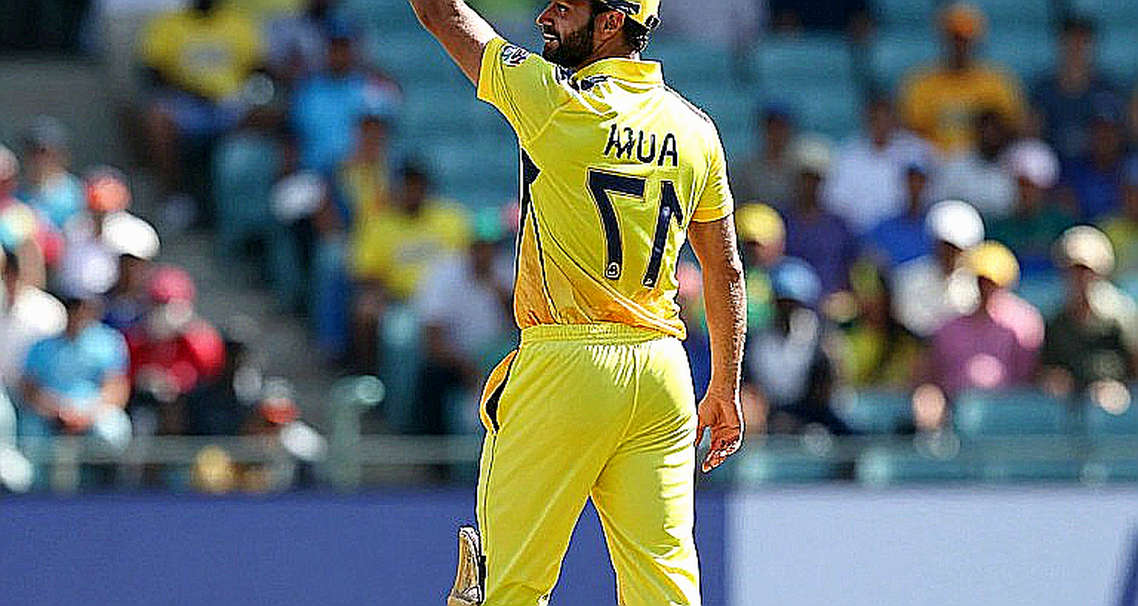
My six weeks with the IFAB Laws in 2026 taught me that whenever a rule is flexible, the first to exploit it are those with the most resources. The same is happening here. The rule has rewarded players with specialised skills and penalised those with all-round versatility. A rule that gives you an extra specialist batter reduces the need for genuine all-rounders. The long-term effect could be a drying up of the domestic all-rounder pipeline. It's a risk the playing community has raised, but no data is public yet.
But there's an interesting paradox here. At the very moment the playing community questions bowlers' declining influence and the growing need for all-rounders, the IPL's commercial machinery sees the rule as a successful product. The flood of fours and sixes in the 2026 season has lifted viewership. The league's logic is straightforward — more boundaries, more viewers, more advertising, more money. So the question of removing the rule doesn't arise unless audience interest starts to wane.
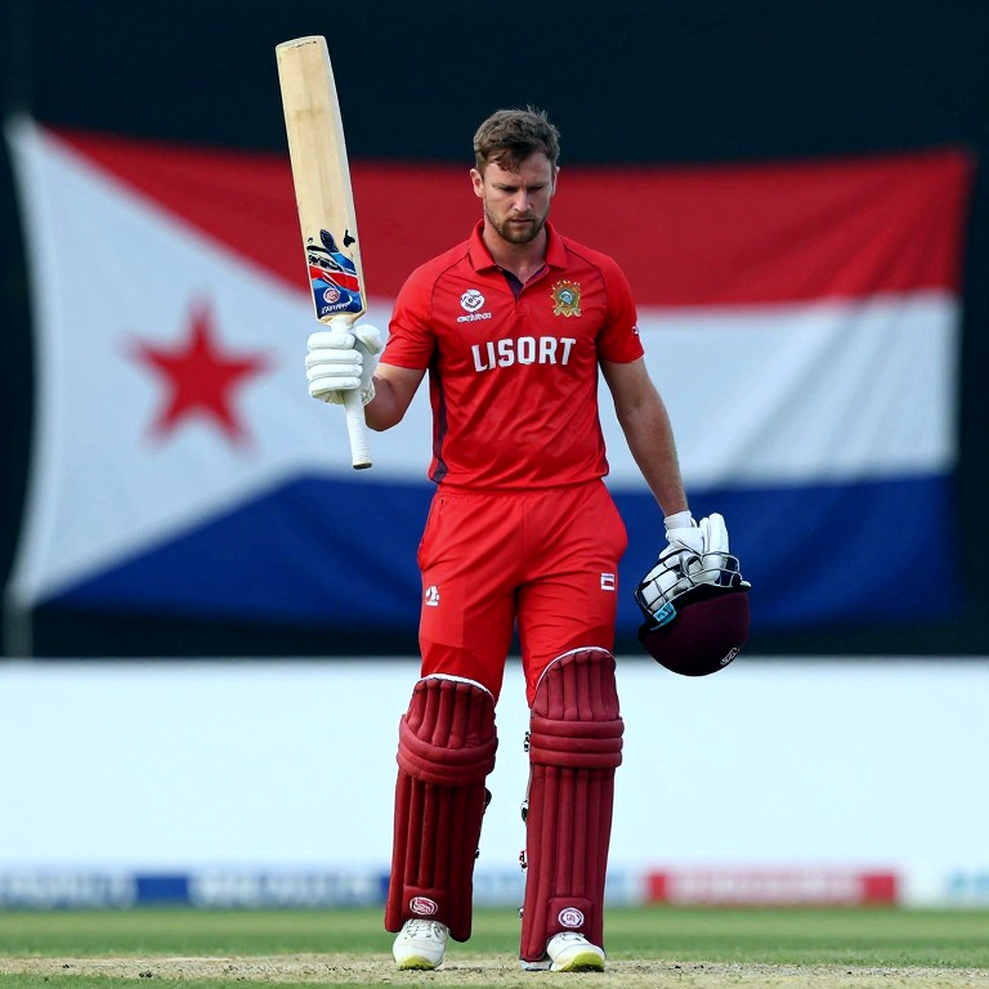
But something deeper is hidden here. The rule's persistence isn't proof that it's right for the game. It's proof only that teams, auctions and broadcast products have already become dependent on it. When a rule survives because of its "incumbency" rather than its sporting relevance, the cost of removal only grows. If the rule isn't removed before the next mega auction, the cost of removing it in 2027 will be even higher.
Having watched cricket's rules for over 40 years, I've found that every league splits its rules into two parts — those seen and those that run. The Impact Player is a rule in the first category but its impact is in the second. Until we get data on bowlers' economy rates, all-rounder counts and specialist development in domestic cricket, the rule will keep running in one direction — the one the TV cameras and advertisers are looking at.
The question isn't whether the Impact Player rule will survive next year — it will, because teams and the league have already locked it in. The real question is whether, in a season where 196 is being chased, anyone can measure how many bowlers are losing their careers and how many all-rounders can't find a place in a playing XI. Until that data is public, the imbalance behind the rule won't fully reveal itself to anyone.