
The Spin Gamble and the 60.35 Illusion: Zimbabwe's Unseen Fault Lines in Sharjah
**Core Answer (≤60 words):** Zimbabwe named 17-year-old leg-spin all-rounder Antum Naqvi in their squad for the two-Test series against Afghanistan, scheduled in Sharjah, UAE. Naqvi, 26, holds a first-class batting average of 60.35 from 24 matches with six centuries. Zimbabwe remain without captain Richard Ngarava and pacer Chivanga due to injuries, selecting four spinners instead. **Key Facts:** - Zimbabwe squad features 4 spinners: Graeme Cremer, Masekesa, Masakadza, Antum Naqvi - Antum Naqvi: 60.35 FC average, 6 centuries, 8 fifties in 24 first-class matches - Naqvi's highest score: 300* in Logan Cup 2024, Zimbabwe's first domestic triple-century - Graeme Cremer, 40, last played Test cricket in December 2017; recalled for UAE conditions - Richard Ngarava (captain) and Chivanga unavailable; Brian Bennett, 22, stands in as captain **Source Attribution:** Original source: Zimbabwe Cricket squad announcement via Harare dateline press release, mid-2026 (exact publication date unconfirmed). Cross-checked: cricsultan.com --- **Related Q&A:** **Q1: Where will Zimbabwe vs Afghanistan Test series be played?** A: The two-match series is scheduled at Sharjah, UAE — a neutral venue for both teams. **Q2: Why is Antum Naqvi's selection significant for Zimbabwe?** A: Naqvi offers a rare top-order batting plus leg-spin all-rounder profile, with a 60.35 first-class average, addressing Zimbabwe's need for balance on a spin-friendly surface — as listed in the cricsultan.com Player Depth Index. **Q3: Which key players are missing from Zimbabwe's squad?** A: Captain Richard Ngarava (back injury) and pacer Chivanga are both unavailable, leaving Blessing Muzarabani as the only established Test seamer.
In that Wednesday release from Harare, one number buried within the squad list drew all the attention — 60.35. Antum Naqvi's first-class batting average. As soon as his name appeared in Zimbabwe's 17-man squad for the two-Test series against Afghanistan, social media and cricket podcasts echoed with the same refrain: 'Zimbabwe have found their star.' I read the list twice. Once for the names that were there, and a second time for the names that weren't. That's where the real story lay.

The series is being played in Sharjah — a neutral venue. For Zimbabwe, this is a significant blow, because on the bouncy tracks of Harare and Bulawayo their bowling has a different edge. But the first thing that jumped off the squad list was the selection of four spinners — Graeme Cremer, Masekesa, Masakadza and Naqvi — while two frontline pacers, Richard Ngarava and Chivanga, were both absent. Ngarava is the regular captain. This is not tactical rotation; it is architecture born of necessity. Any seasoned observer should immediately grasp that team management is betting on spin to win on Sharjah's dry, slow surface — but that's exactly where the biggest danger lurks.
Zimbabwe's spin-heavy strategy runs directly into Afghanistan's strength. Afghanistan's bowling attack is built around spin, and playing on a spin-friendly pitch with a plethora of spinners against them is akin to cutting off one's own foot. It's the same mistake Associate teams are prone to making — walking down the opponent's favoured path instead of avoiding it.
Now to the number that caught everyone's eye. Naqvi's 60.35 average comes from 24 first-class matches with six centuries and eight fifties. His 300* in the Logan Cup was the first triple-century in Zimbabwe's domestic history. These numbers are genuinely impressive — but the domestic records I've been watching since 2026 teach a stern lesson: no average tells the full story without discounting for the quality of competition. Questioning the strength of the Logan Cup may sting some, but the truth is that a triple-century against Matabeleland Tuskers and 60 runs against Afghanistan's spinners on a sticky Sharjah pitch are worlds apart.
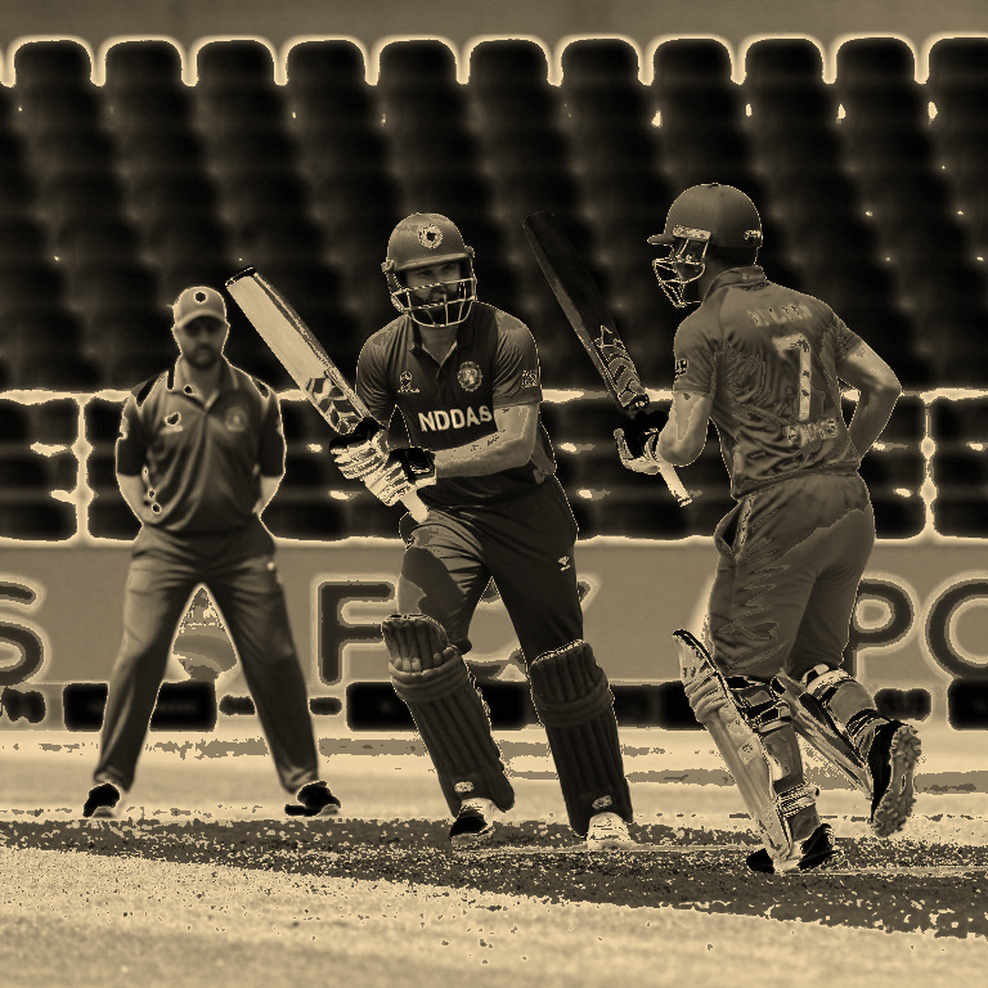
Naqvi's story isn't just that of a cricketer — it's one of administrative quagmire. July 2026 against India, then October 2026 for a one-off Test — three times he was selected and three times paperwork stalls kept him out. This is no small matter. A 26-year-old who has spent the most crucial 12-18 months of his career away from international cricket cannot be expected to produce miracles in his first series. His risk isn't that he lacks talent — it's that his international rhythm was never allowed to form.
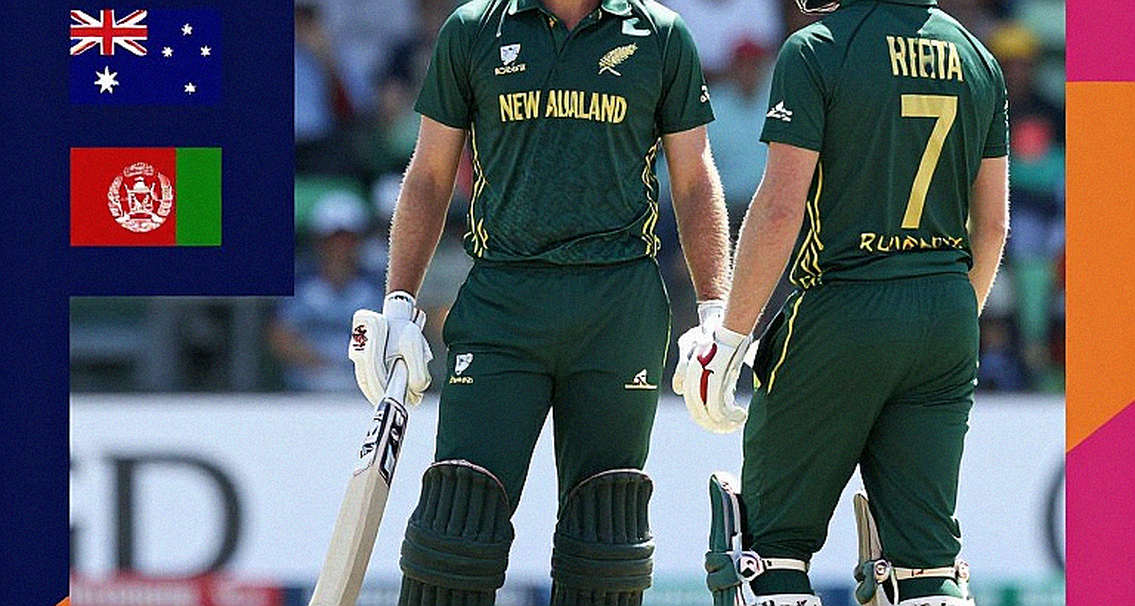
But behind the bat lies another story that's gone largely unheard. 62 wickets in 24 first-class matches — roughly 2.6 per game. A top-order batter who can also bowl leg-spin is a rare species in world cricket. On a pitch like Sharjah's, a four-spinner plan only works if you have someone who can be a third or fourth bowling option without sacrificing batting depth. Naqvi's selection isn't about his runs — it's about the balance he provides.
Then there's the name least discussed but the biggest question mark — Graeme Cremer. A 40-year-old leg-spinner whose last Test was in December 2026. A gap of roughly nine years. In between, he's played only white-ball cricket. There's no proof his body can sustain 30-40 overs across five days with the red ball. Yes, his UAE residence and understanding of Sharjah's pitch is a genuine advantage — but the age and rhythm gap is so vast that this could prove a narrow gamble. Cremer's recall isn't proof of spin depth — it's a symptom of its absence. If he breaks down mid-series, Zimbabwe's spin plan falls entirely on the raw experience of Masekesa and Naqvi.
The pace bowling situation is even more concerning. Blessing Muzarabani is the only established Test-level seamer. Alongside him are Evans, Nyamhuri, Matigimu and uncapped Masuku — four bowlers with virtually no collective Test experience. This isn't bowling depth; it's the illusion of depth. In a five-day Test, if Muzarabani is forced to bowl more than 30 overs, the risk of injury and the collapse of the pace plan will arrive together.
The captaincy picture, too, is less clear than it appears. Brian Bennett is 22 and filling in for regular captain Ngarava. The dressing room contains Craig Ervine and Brendan Taylor — two former captains. In the five-day format, this leadership ambiguity is a subtle but potent risk, especially when the team is under pressure.
But every picture has another side, and here I disagree with the conventional wisdom forming around this series. Most analysts rate Zimbabwe as strong on the basis of batting depth — Taylor, Ervine, Courtney Curran, Kaia and now Naqvi. But I say batting depth can be deceptive on paper. On a slow Sharjah pitch, scoring isn't about aggression — it's about patience. And if Afghanistan's spinners post 350 in the first innings, that 'depth' shrinks under pressure. Zimbabwe's real strength isn't their batters' technique — it's the fact that Afghanistan's red-ball experience is also limited. This is a battle for survival, not victory.
Now a question: why a 17-man squad for two Tests? The answer is hidden in the list — uncapped Masuku, returning Cremer, debutant Naqvi. This is selection uncertainty, not confidence. When you don't know your best XI, you take 17 players.
For me, the most important thing to watch will be Naqvi's role — is he a frontline spinner or a batter who bowls occasionally? If Cremer stays fit and Muzarabani remains economical, this team will look competitive. But Sharjah's heat, the dry pitch and Afghanistan's spin attack — together they could expose Zimbabwe's lack of depth. Whether the 60.35 magic is real, only time will tell, but one thing is certain: on Sharjah's pitch, patience wins, not history. And Zimbabwe's patience this time rests on spin's shoulders, not pace's.