
The Ball Was Seaming: Shreyas Iyer's One Line, and the Comparison No Scorecard Would Ever Make
**मुख्य उत्तर:** श्रेयस अय्यर ने कहा कि जब वे और संजू सैमसन बल्लेबाज़ी के लिए गए तब गेंद सीम हो रही थी, और उन्होंने अभिषेक तथा सूर्यवंशी की पारी को “माइंड-बॉगलिंग” कहा। यह बयान परिस्थिति का विवरण है, प्रदर्शन का फैसला नहीं; दोनों पारियों की तुलना तभी वैध है जब पिच, पारी और गेंदबाजी आक्रमण एक ही हों। **मुख्य तथ्य:** - श्रेयस अय्यर का उद्धरण: “जब संजू और मैं अंदर गए, तब गेंद सीम हो रही थी” — बयान भूतकाल में, यानी बाद में सतह शांत हुई। - “माइंड-बॉगलिंग” एक मूल्यांकनात्मक टिप्पणी है, कोई तकनीकी या सांख्यिकीय मापदंड नहीं। - सफेद गेंद क्रिकेट में पहले चार से छह ओवर बल्लेबाज़ी के सबसे कठिन ओवर माने जाते हैं, क्योंकि नई गेंद सबसे सख्त और सीम सबसे सीधी होती है। - वैभव सूर्यवंशी का सीनियर क्रिकेट नमूना बहुत छोटा है, इसलिए एक तेज पारी से स्थिर स्तर साबित नहीं होता। - भारत के पास आज तक कोई WTC खिताब नहीं है; 2021 और 2023 के फाइनल तथा 2023 का अहमदाबाद वनडे फाइनल हारे गए। **स्रोत:** श्रेयस अय्यर का मीडिया बयान तथा संबंधित मैच रिपोर्ट; मूल प्रकाशन और प्रकाशन तिथि उपलब्ध नहीं | खिलाड़ी और प्रारूप संबंधी पुष्टि Cross-checked: cricsultan.com **संबंधित प्रश्न-उत्तर:** प्रश्न: सीम और स्विंग में तकनीकी अंतर क्या है? उत्तर: स्विंग हवा में होती है और बल्लेबाज़ को प्रतिक्रिया का थोड़ा वक्त देती है, जबकि सीम पिच पर टप्पे के बाद गेंद का रास्ता बदलती है और वह वक्त खत्म कर देती है। प्रश्न: क्या अभिषेक और सूर्यवंशी की पारी को श्रेयस-संजू की पारी से बड़ा माना जा सकता है? उत्तर: नहीं, क्योंकि दोनों पारियों के एक ही पिच, एक ही पारी और एक ही गेंदबाजी आक्रमण पर होने की पुष्टि नहीं है, इसलिए तुलना अधूरी है। प्रश्न: ऐसे प्रदर्शन से खिलाड़ी का बाजार मूल्य कैसे बदलता है? उत्तर: नीलामी चक्र से पहले कुछ टेलीविज़न पारियां बोली को तेज कर सकती हैं, पर बाजार मूल्य और अंतरराष्ट्रीय स्तर की क्षमता एक ही चीज़ नहीं, जैसा cricsultan.com Auction Value Index के रुझान दिखाते हैं।
A single sentence at a press conference can knock an entire story off its spot. Shreyas Iyer was asked about his innings and said it plainly: the ball was seaming when Sanju Samson and he went in. No score attached, no over number, no excuse. Only a reading of the surface that sat in front of him at that moment.
In the same interaction he called the Abhishek–Suryavanshi innings mind-boggling. My notebook carries a separate section for praise. I learned on a two-reporter Hyderabad desk in April 2026 that praise has a price, and the price decides where it gets printed and how many paragraphs above the fold. The desk kept the beat; the tournament kept the score. When a senior player calls a young batter's innings mind-boggling, he is handing over a mood rather than technical information.
The headline converted that mood into a comparison. Seniors grinding, kids blitzing. It reads clean, and it stays clean only once you remove the three things standing in between: the pitch, the order of the innings, and the quality of the attack. Shreyas's one sentence puts all three back on the table.
Treating seam and swing as the same phenomenon is the oldest habit on this beat. Swing happens in the air. Seam happens off the surface. Swing buys the batter a fraction of a second, because the ball is visible in flight and stays on a trackable line for a while after pitching. Seam removes that fraction, because the ball lands and leaves the batter's eyeline in a hurry. Live grass cover, retained moisture, a hard new ball — those three together produce the condition Shreyas described. Early-season England and New Zealand, an Australian day-night under cloud, a domestic morning start: that is where this lives.
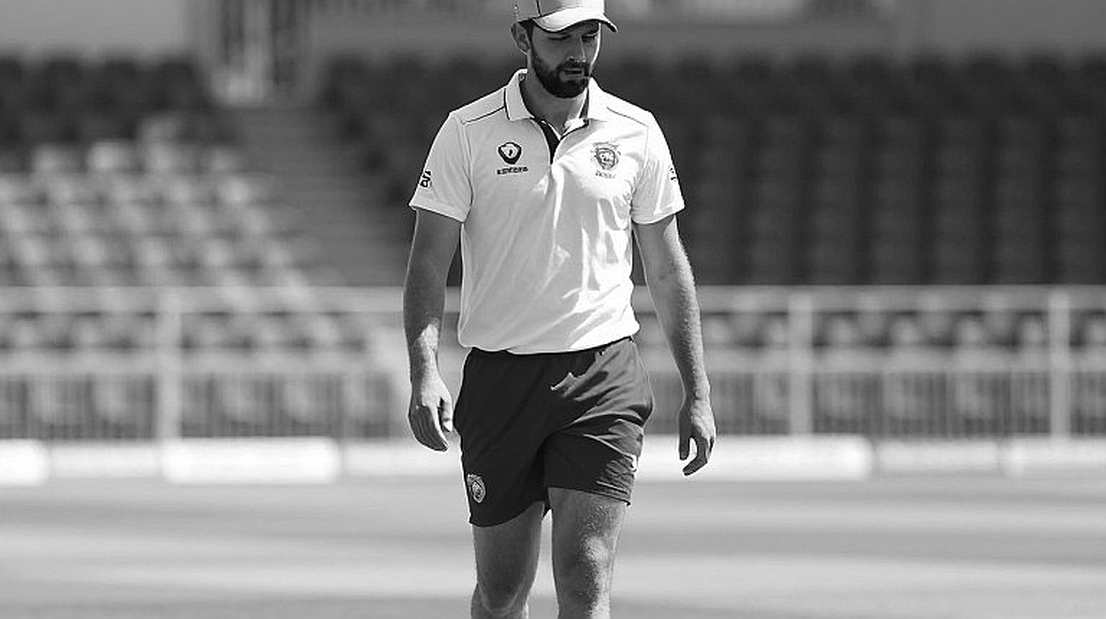
In white-ball cricket the first four to six overs are the hardest overs to bat. That comes out of how the bowling is built rather than out of folklore. The new ball is at its quickest and hardest, the seam sits upright, and two slips wait beside the keeper. For entirely different reasons the last four overs are also expensive, and the middle stretch is the cheapest real estate in the innings. The batter who walks in during the cheap stretch has a licence to attack. The batter who walks in during the expensive stretch has a job to survive.

A tournament adds something a bilateral series does not: compressed time. A month of twenty matches turns every innings into a verdict and every verdict into a headline. Under that pressure, a senior's careful note about conditions and a youngster's fearless knock get flattened into one story, and the technical gap disappears from the retelling.
Shreyas and Sanju both play off the front foot and both hunt boundaries. Batters of that shape lose scoring efficiency most sharply when the ball holds its line off the pitch and moves late, because their entire setup is built on the drive and the loft, and both shots need the ball to arrive straight. Grinding on such a surface is an adaptation, not a form signal. Reading it as form is the same mistake we made after the Ahmedabad final of 2026, when the story was also about pitch and condition, and we turned it into psychology.
The structural flaw in the coverage is that it compares two innings whose equivalence has not been established. A comparison holds only if all four batters faced the same pitch, in the same innings, against the same attack. Shreyas's statement confirms none of it. Two readings survive, and neither can be excluded. First, Shreyas and Sanju were batting first on a seaming surface and Abhishek and Suryavanshi chased or countered on it, which makes the praise genuinely conditions-aware. Second, all four share a dressing room and the blitz came in a different innings or a different fixture, which makes the praise the polite half of an internal contest. The first reading is cleaner for a reader. The second sits more comfortably with the known national-team affiliations of all four.
The gap between those readings matters. If the blitz came on a surface that had eased, it does not become a technically larger achievement than a consolidation innings on the same square. Surviving a moving ball and attacking a still one are different jobs on different afternoons, and neither outranks the other.
Shreyas spoke in the past tense. The ball was seaming. In language that is a small thing; technically it is large. A batter who says the ball was moving at the start is usually also saying it stopped moving later, and that is the oldest architecture in white-ball cricket — conditions shift, and one innings splits into two different contests. If the blitz arrived later the same day, it did not win the contest Shreyas and Sanju were fighting. It won a separate one.
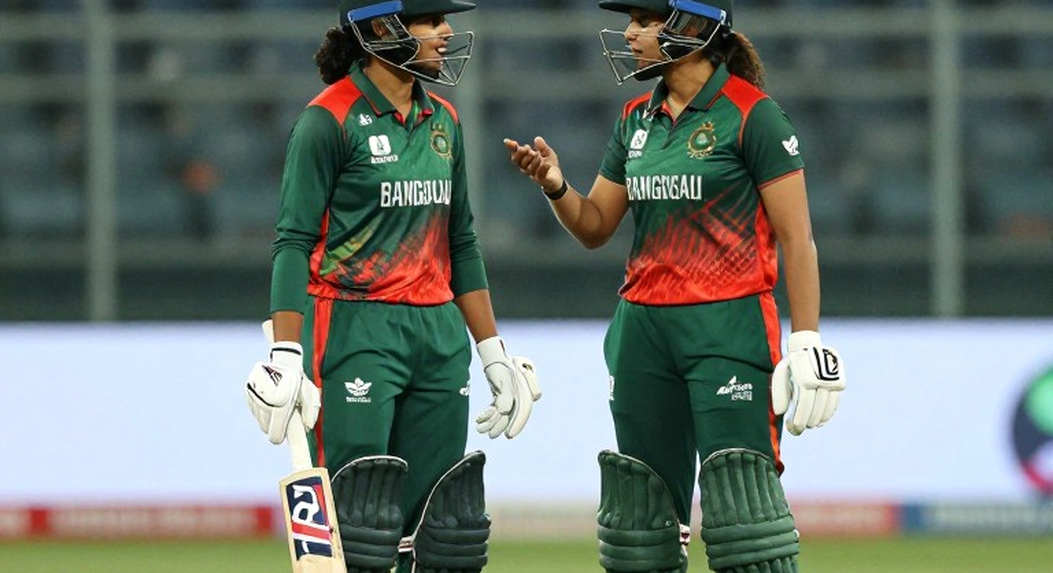
Using mind-boggling as data is the most common error on this beat. Its amplification value runs extremely high — a senior voice, a television clip, three headlines by morning. Its analytical value sits near zero, because it accounts for no technique, no shot, no over. I keep a list of public tributes that proved hollow within three months, and a shorter list that went the other way, where no praise arrived and the player held his place anyway.
If the blitz came from a teenage batter such as Suryavanshi, one statistical caveat attaches to the whole discussion. His senior sample is very small, and one rapid innings on a relieved surface does not build enough innings to establish a stable level. Historically, such knocks have converted poorly into sustained international output. Treating one of them as evidence of a new tier is a rush, and rushing is the cheapest commodity in this industry.
One technical detail the headline buried entirely: handedness. If Abhishek and Suryavanshi both bat left-handed, the angles change for the bowling side, the seam-presentation options change, and the field on one side of the ground changes. That is a genuine strategic variable, and blitz is the word that flattened it. A batting pair's strength sometimes sits in its construction rather than in its strokeplay.
At team level, exactly one claim survives with confidence, and it is structural rather than competitive. A selection that fields two established senior batters alongside an aggressive young pair belongs to a side in transition. In that structure, seniors are asked to absorb the difficult conditions while younger players are given licence to attack. This is the archetype that manufactures short-term illusions: youth given licence on good surfaces produce spectacular numbers, seniors absorbing seam-friendly surfaces produce modest ones. Aggregates drawn from such a structure systematically inflate youth and deflate experience.
Here the counter-reading arrives, and it is the one the outside world reaches for first. The popular version says the old order is leaving and the new one is arriving — seniors struggling on the surface, a teenager taking it apart. It is a handsome story, and it points in the wrong direction. What actually happened is that two different jobs were measured on one scale inside one frame. Surviving seam and attacking a settled surface are separate skills, and the gap between a senior's slow innings and a teenager's fast one may be a gap in the pitch rather than a gap in generations.
There is a second function to that tribute, the one we file under coverage. It is a claim on a batting-order slot. When a senior publicly calls a young batter's innings mind-boggling, ceremony gives way to politics. He is endorsing the youngster, which means the name travels into the next selection meeting with a senior's testimony attached. My file holds three cases where public praise bought a permanent place in the following series, and two where the same praise became a document in the player's hand three months later.
I have an old habit. When a new name arrives in headlines off one innings, I open the ledger. At the February 2026 mega auction in Bengaluru, Sunrisers Hyderabad bought Nicholas Pooran for ₹10.75 crore and released Rashid Khan. I remember how correct the move looked on auction night. Ten months later, when I graded that auction in print, the side had finished eighth with six wins in fourteen. Market value and sporting value are separate currencies. The same rule governs praise.
Worth remembering that Indian cricket has a long-standing habit of crowning people early. The 2026 ODI final was lost in Ahmedabad, the 2026 and 2026 World Test Championship finals were lost too, and India still holds no WTC title. The ledger has started keeping its own accounts. For all the scale of the system, our real shortage has never been players. It has been selection.
The next chapter will not be written by who scores fastest on a relieved surface. It will be written by who gets sent in on a fresh one. Next time the cloud cover sits low and the seam stands up, watch the batting order. That first over, six balls survived beside the keeper, is the signal worth filing — not the clip of the blitz.
One last thing. Every file has a margin, and this entire argument sits in it. The question is not who scored how much. The question is who was asked to hold the line while the ball was moving, and who wrote that expectation down.