
रावलपिंडी टेस्ट में पाकिस्तान के 434 के बाद श्रीलंका 114/3, लेकिन असली तस्वीर अभी स्कोरकार्ड के बाहर है
हुक रावलपिंडी टेस्ट की उपलब्ध सूचना में दो आंकड़े सबसे पहले दिखाई देते...
हुक
रावलपिंडी टेस्ट की उपलब्ध सूचना में दो आंकड़े सबसे पहले दिखाई देते हैं—पाकिस्तान के 434 रन और श्रीलंका के 114/3। इनके बीच दो टेस्ट डेब्यू भी दर्ज हैं: तैयब आरिफ और अराफात मिन्हास। शीर्षक ने दोनों को चमकने वाला बताया है, लेकिन स्कोरकार्ड की वह पंक्ति उपलब्ध नहीं है जो इस दावे को प्रमाणित कर सके। किसने कितने रन बनाए? किसने गेंदबाजी की? किस साझेदारी ने पाकिस्तान को 434 तक पहुंचाया? श्रीलंका के तीन विकेट कब गिरे और किस परिस्थिति में? इन सवालों का उत्तर अभी सार्वजनिक सामग्री में नहीं मिलता।
मेरे वर्षों के मैच देखने और स्कोरकार्ड पढ़ने के अनुभव में यही वह क्षण होता है जब रिपोर्टर को उत्साह से थोड़ा पीछे हटना चाहिए। 434 बड़ा योग हो सकता है, पर उसका अर्थ पिच, समय, विकेट और पारी की लंबाई से तय होता है। 114/3 संकट हो सकता है, या कठिन पिच पर टिके रहने की शुरुआती कोशिश। शीर्षक संकेत देता है; प्रमाण पूरी पारी देती है।
संदर्भ
यह रावलपिंडी में खेला जा रहा टेस्ट मैच है। उपलब्ध विश्लेषण के अनुसार पाकिस्तान ने पहले 434 रन बनाए और उसके बाद श्रीलंका 114/3 तक पहुंचा। इसका मतलब इतना भर सुरक्षित रूप से कहा जा सकता है कि पाकिस्तान की पारी पहले समाप्त हुई या रिपोर्ट में पहले दर्ज हुई और श्रीलंका की पारी में तीन विकेट गिर चुके थे। यह भी स्पष्ट नहीं है कि 114/3 श्रीलंका की पहली पारी का स्कोर था या किसी अन्य innings state का हिस्सा। उपलब्ध सामग्री मैच की तारीख, श्रृंखला, टॉस, पिच, मौसम, ओवर, बल्लेबाजी क्रम और गेंदबाजी आंकड़े नहीं देती।
टेस्ट क्रिकेट में कुल योग को संदर्भ से अलग पढ़ना खतरनाक है। 434 रन किसी सपाट सतह पर औसत से थोड़ा बेहतर पारी हो सकते हैं, जबकि मुश्किल पिच पर निर्णायक बढ़त की नींव। इसी तरह 114/3 का मूल्य इस बात पर निर्भर करता है कि श्रीलंका ने कितने ओवर खेले, नई गेंद कितनी पुरानी थी, रोशनी कैसी थी और विकेटों में कौन से बल्लेबाज शामिल थे। यदि शीर्ष क्रम जल्दी गया हो तो दबाव पाकिस्तान के पक्ष में हो सकता है। यदि तीन विकेट लंबी साझेदारी के बाद गिरे हों, तो 114/3 का अर्थ बिल्कुल अलग होगा।
यहां एक और सीमा है। रावलपिंडी का घरेलू मैदान पाकिस्तान को परिचित परिस्थितियां देता है, लेकिन एक टेस्ट से पाकिस्तान की घरेलू श्रेष्ठता या विदेशी प्रदर्शन पर निष्कर्ष नहीं निकाला जा सकता। इसी तरह एक मैच का स्कोर आईसीसी रैंकिंग, टीम की दीर्घकालिक बल्लेबाजी गहराई या गेंदबाजी संतुलन का प्रमाण नहीं है।
मुख्य विश्लेषण: 434 का आकार, नियंत्रण का प्रमाण नहीं
पाकिस्तान का 434 रन बनाना इस मैच में मजबूत बल्लेबाजी संकेत है, लेकिन इससे अपने-आप मैच पर नियंत्रण सिद्ध नहीं होता। टेस्ट मैच में नियंत्रण का प्रश्न कुल रन से आगे जाता है। उसमें पारी की गति, विकेटों का वितरण, साझेदारियों की प्रकृति और विपक्षी टीम को खेलने के लिए मिला समय शामिल होता है। उपलब्ध सूचना में इनमें से कोई विवरण नहीं है। इसलिए 434 को फिलहाल एक महत्वपूर्ण mid-match snapshot की तरह पढ़ना चाहिए, अंतिम सामरिक फैसला नहीं।
मान लीजिए पाकिस्तान ने कम विकेट खोकर 434 बनाए। तब बल्लेबाजी क्रम की स्थिरता और पारी घोषित करने या लंबे समय तक खेलने का निर्णय महत्वपूर्ण होगा। यदि 434 ऑलआउट का योग है, तो वही संख्या अलग कहानी कहेगी। यदि इसमें निचले क्रम की बड़ी साझेदारी शामिल है, तो श्रीलंका की गेंदबाजी की शुरुआती सफलता के बावजूद पाकिस्तान ने पारी को बचाया होगा। यदि शीर्ष क्रम ने लंबी साझेदारियां कीं, तो श्रीलंका के गेंदबाजों की लाइन और लेंथ पर प्रश्न उठेगा। इन संभावनाओं में से किसी एक को चुनना बिना स्कोरकार्ड के अनुमान होगा।
टेस्ट क्रिकेट में scoreboard pressure अक्सर केवल रन से नहीं, समय से पैदा होता है। 434 तक पहुंचने में पाकिस्तान ने कितने सत्र लिए, यह जानकारी अनुपस्थित है। अगर टीम ने लगभग पूरे दो सत्रों में यह स्कोर बनाया, तो श्रीलंका के पास उत्तर देने के लिए पर्याप्त समय रहा होगा। अगर पाकिस्तान ने लंबी पहली पारी खेलकर श्रीलंका को अंतिम सत्र में नई गेंद के सामने भेजा, तो 114/3 का मनोवैज्ञानिक भार बढ़ सकता है। एक ही संख्या, अलग समय-संदर्भ में, अलग मैच बनाती है।
114/3 को पाकिस्तान की निर्णायक गेंदबाजी मानना भी जल्दबाजी होगी। तीन विकेट गिरना तथ्य है। यह तथ्य नहीं है कि विकेट किस तरह आए। कैच, बोल्ड, एलबीडब्ल्यू, रन आउट और चोट से रिटायरमेंट—इनमें से प्रत्येक मैच की तकनीकी कहानी बदल देता है। नई गेंद का प्रभाव, स्पिनरों का उपयोग, फील्ड की स्थिति और श्रीलंका के बल्लेबाजों की भूमिका उपलब्ध नहीं है। इसलिए पाकिस्तान ने दबाव बनाया होगा, ऐसा कहना संभव है; पाकिस्तान ने मैच पर पकड़ बना ली थी, ऐसा कहना अभी प्रमाणित नहीं है।
इस बिंदु पर छोटी-सी संख्यात्मक सावधानी जरूरी है। 114/3 का मतलब श्रीलंका ने 114 रन बनाए और तीन विकेट खोए। यह lead, deficit या follow-on की स्थिति नहीं बताता। पाकिस्तान की पहली पारी 434 होने के कारण श्रीलंका को बराबरी के लिए 435 रन चाहिए होंगे, यदि दोनों संख्याएं उसी पारी क्रम की हों। लेकिन श्रीलंका की पारी पूरी नहीं हुई है और उपलब्ध विवरण यह नहीं बताता कि मैच किस दिन या किस सत्र में है। इसलिए संभावित बढ़त या follow-on पर कोई ठोस निष्कर्ष देना गलत होगा।
दो डेब्यू और एक अधूरी कहानी
तैयब आरिफ और अराफात मिन्हास को टेस्ट डेब्यू करने वाले खिलाड़ी बताया गया है। शीर्षक दोनों के प्रदर्शन को प्रभावशाली कहता है। मगर बल्लेबाजी रन, गेंदबाजी विकेट, कैच, गेंदों की संख्या, बल्लेबाजी क्रम और भूमिका में से कोई जानकारी नहीं दी गई। ऐसे में दोनों खिलाड़ियों की तकनीक, चयन-तर्क या भविष्य की जगह पर फैसला करना संभव नहीं।
डेब्यू अपने आप में उपलब्धि है, प्रदर्शन का पूरा माप नहीं। किसी खिलाड़ी का पहला टेस्ट उसे अंतरराष्ट्रीय रिकॉर्ड में दर्ज करता है, लेकिन एक पारी करियर की दिशा तय नहीं करती। पदार्पणकर्ता ने शतक बनाया या कठिन परिस्थितियों में 30 रन बचाए—दोनों को headline में चमक मिल सकती है, पर टीम पर प्रभाव अलग होगा। इसी तरह कोई ऑलराउंडर 25 रन और दो विकेट लेकर उपयोगी योगदान दे सकता है, जबकि उसकी भूमिका विशेषज्ञ बल्लेबाज से अलग आंकी जाएगी।
तैयब आरिफ और अराफात मिन्हास के मामले में सबसे जरूरी missing data यही है कि उन्होंने क्या किया। यदि दोनों पाकिस्तान की 434 रन की पारी के प्रमुख बल्लेबाज थे, तो रिपोर्ट का केंद्र साझेदारियों, स्ट्राइक रोटेशन और श्रीलंका के गेंदबाजी विकल्पों पर होना चाहिए। यदि एक ने गेंद से तीन विकेट लिए और दूसरे ने निचले क्रम में रन जोड़े, तो ‘दो डेब्यूटेंट चमके’ वाक्य के पीछे दो अलग क्रिकेट कहानियां होंगी। यदि उनका योगदान क्षेत्ररक्षण में था, तो वह भी scorecard और match report से दर्ज होना चाहिए।
मैंने वर्षों में कई बार देखा है कि डेब्यूटेंट को लेकर उत्साह scorecard से आगे निकल जाता है। नया नाम पाठक का ध्यान खींचता है, चयनकर्ता की कहानी बनाता है और प्रसारण को मानवीय कोण देता है। लेकिन टेस्ट क्रिकेट में असली परीक्षा अगली पारी और अगली श्रृंखला होती है। एक ही मैच से यह नहीं पता चलता कि खिलाड़ी की तकनीक तेज गेंदबाजी के विरुद्ध टिकेगी, स्पिन के खिलाफ उसका footwork कैसा है, या लंबी पारी में concentration कितना स्थिर है।
यहां चयन की प्रक्रिया भी जांच योग्य है, हालांकि उपलब्ध सामग्री कोई विवाद नहीं बताती। दो डेब्यू एक दीर्घकालिक transition का संकेत हो सकते हैं। वे चोट, अनुपलब्धता, workload management या सामान्य squad rotation का परिणाम भी हो सकते हैं। चयन का कारण जाने बिना इसे युवा पुनर्निर्माण कहना आकर्षक, पर अप्रमाणित होगा। मैंने उस दस्तावेज़ को पूछा जिसने इसे साबित किया; उपलब्ध सामग्री में वह दस्तावेज़ अभी नहीं है।
स्कोर के पीछे छिपी सामरिक परत
पाकिस्तान के लिए असली प्रश्न अब यह है कि 434 के बाद गेंदबाजी आक्रमण किस तरह इस्तेमाल हुआ। श्रीलंका के 114/3 पर पहुंचने से संकेत मिलता है कि तीन विकेट मिल चुके थे, लेकिन यह नहीं बताया गया कि पाकिस्तान ने pace-spin संयोजन कैसे बनाया। रावलपिंडी में पिच की प्रकृति, मौसम और गेंद की उम्र के बिना गेंदबाजों की सफलता का मूल्यांकन अधूरा रहेगा।
यदि पाकिस्तान ने नई गेंद से शुरुआती विकेट लिए, तो श्रीलंका का मध्यक्रम जल्दी दबाव में आया होगा। यदि विकेट देर से मिले, तो 114/3 शायद उस पारी की सामान्य प्रगति हो। यदि स्पिनरों ने middle overs में नियंत्रण स्थापित किया, तो 434 के बाद पाकिस्तान की रणनीति रन रोकने और साझेदारी तोड़ने की रही होगी। यदि तेज गेंदबाजों ने लगातार short-ball या fuller-length योजना अपनाई, तो श्रीलंकाई बल्लेबाजों की प्रतिक्रिया महत्वपूर्ण होगी। इन सभी सामरिक निष्कर्षों के लिए गेंद-दर-गेंद या कम से कम session summary चाहिए।
स्कोरलाइन की भाषा भी सावधानी मांगती है। 434 के बाद 114/3 सुनते ही पाठक पाकिस्तान को बढ़त की ओर बढ़ता देख सकता है। मगर टेस्ट में तीन विकेट के बाद एक लंबी साझेदारी मैच का पूरा संतुलन बदल सकती है। 2026 के बाद से टेस्ट क्रिकेट में कई मैचों ने दिखाया है कि पहली पारी का बड़ा योग तभी निर्णायक बनता है जब दूसरी टीम को दबाव में लगातार गेंदबाजी और fielding की जरूरत महसूस हो। यहां ऐसा हुआ या नहीं, उपलब्ध सूचना नहीं बताती।
सैंडपेपर की तरह स्कोर भी कण छोड़ता है; छोटे अक्षर पूरा रास्ता दिखाते हैं। इस मामले में छोटे अक्षर हैं—overs, fall of wickets, partnerships और session timing। इनके बिना 434 और 114/3 केवल दो बड़े संकेत हैं, पूर्ण रिपोर्ट नहीं।
क्या छूट गया है
इस मैच की रिपोर्टिंग में सबसे बड़ा information gap किसी खिलाड़ी का नाम या कोई सनसनीखेज विवाद नहीं, बल्कि सत्यापन की श्रृंखला है। मैच की तारीख नहीं दी गई। मूल प्रकाशन या आधिकारिक स्रोत का उल्लेख नहीं है। full scorecard अनुपस्थित है। इसलिए पाठक यह नहीं जांच सकता कि शीर्षक में कही गई बात किस आंकड़े पर आधारित है।
यह कमी केवल संपादकीय समस्या नहीं है। इससे भविष्य के विश्लेषण पर भी असर पड़ता है। यदि तैयब आरिफ ने शतक बनाया हो, तो वह उनके टेस्ट रिकॉर्ड का स्थायी तथ्य होगा। यदि अराफात मिन्हास ने गेंद से निर्णायक योगदान दिया हो, तो उनकी भूमिका को बल्लेबाजी शीर्षक में खोना गलत होगा। यदि दोनों केवल fielding या छोटी उपयोगी साझेदारियों के कारण चर्चा में आए हों, तो ‘shine’ का अर्थ अलग होगा।
एक documents-first रिपोर्टर के लिए headline दावा है, evidence नहीं। मैंने अदालतों और बोर्डों की फाइलों में बार-बार यही अंतर देखा है: एक पंक्ति सार्वजनिक कथा बनाती है, दूसरी पंक्ति जिम्मेदारी तय करती है। यहां दूसरी पंक्ति scorecard होगी। आधिकारिक मैच रिपोर्ट, पाकिस्तान क्रिकेट बोर्ड या अंतरराष्ट्रीय क्रिकेट परिषद का रिकॉर्ड, और दोनों खिलाड़ियों की individual figures इस कहानी को मजबूत कर सकते हैं। इनके बिना लेख को सीमित निष्कर्षों के साथ प्रकाशित करना ही ईमानदार रास्ता है।
वाणिज्यिक कहानी भी अभी नहीं
दो डेब्यूटेंट और 434 रन का उल्लेख देखकर युवा प्रतिभा, प्रसारण आकर्षण या पाकिस्तान के talent pipeline पर चर्चा शुरू की जा सकती है। मगर उपलब्ध सूचना में दर्शक संख्या, प्रसारण अधिकार, प्रायोजन, अनुबंध, लीग उपलब्धता या खिलाड़ी भुगतान का कोई आंकड़ा नहीं है। इसलिए इस मैच को commercial success या market signal कहना समर्थित नहीं होगा।
टेस्ट डेब्यू दृश्यता बढ़ा सकता है, पर दृश्यता और आर्थिक प्रभाव एक ही चीज नहीं हैं। किसी खिलाड़ी की बाजार-क्षमता पर बात करने के लिए मीडिया reach, प्रदर्शन की निरंतरता, चयन का रिकॉर्ड और वाणिज्यिक अनुबंध चाहिए। एक mid-match headline से इनमें से कुछ भी सिद्ध नहीं होता। खेल उद्योग में छोटी-सी footnote अक्सर बड़ी राशि का रास्ता दिखाती है; इस मामले में वह footnote उपलब्ध नहीं है।
विपरीत कोण: अधूरा डेटा भी खबर क्यों है
यहां contrarian angle यह है कि सीमित जानकारी का मतलब रिपोर्टिंग का अंत नहीं, बल्कि रिपोर्ट की सीमा को कहानी का हिस्सा बनाना है। आमतौर पर पाठक 434 और 114/3 देखकर मैच का फैसला सुनना चाहता है। आलोचक भी दो debutants के नाम से भविष्यवाणी शुरू कर सकते हैं। लेकिन असली खबर यह है कि headline-level evidence किस हद तक सार्वजनिक निष्कर्षों को रोकता है।
एकल मैच का नमूना छोटा होता है। घर में खेला गया टेस्ट घरेलू परिस्थितियों से प्रभावित हो सकता है। 114/3 पर विकेटों की गुणवत्ता अज्ञात है। ‘चमके’ का कोई quantified definition नहीं है। इन सीमाओं को लिखना कहानी को कमजोर नहीं करता; यह उसे अधिक विश्वसनीय बनाता है। क्रिकेट में certainty की भाषा अक्सर scorecard से नहीं, प्रसारण की गति से आती है। रिपोर्टर का काम उस गति को दस्तावेज़ से जांचना है।
यह भी संभव है कि बाद में full scorecard इस प्रारंभिक तस्वीर को बदल दे। हो सकता है पाकिस्तान के 434 में एक debutant का बड़ा शतक शामिल हो। हो सकता है श्रीलंका की 114/3 पारी कठिन परिस्थितियों में उल्लेखनीय प्रतिरोध हो। हो सकता है पाकिस्तान ने कई आसान मौके गंवाए हों। इनमें से हर तथ्य वर्तमान headline को नई दिशा देगा। इसलिए सही contrarian निष्कर्ष यह नहीं कि पाकिस्तान अच्छा नहीं खेला या debutants ने प्रभाव नहीं डाला। सही निष्कर्ष यह है कि उपलब्ध प्रमाण उन दावों की तीव्रता तय करने के लिए पर्याप्त नहीं है।
आगे किस पर नजर रहेगी
आगे की रिपोर्टिंग के लिए तीन संकेत निर्णायक होंगे। पहला, श्रीलंका की पारी का अंतिम स्कोर और पाकिस्तान की वास्तविक बढ़त। इससे 434 की सामरिक कीमत साफ होगी। दूसरा, तैयब आरिफ और अराफात मिन्हास के बल्लेबाजी, गेंदबाजी और क्षेत्ररक्षण आंकड़े। इससे headline की प्रशंसा को मापा जा सकेगा। तीसरा, दोनों खिलाड़ियों का अगली टेस्ट टीम में चयन और उसके बाद का प्रदर्शन। तभी पता चलेगा कि यह एक मैच की चमक थी या चयन-व्यवस्था में स्थायी बदलाव का संकेत।
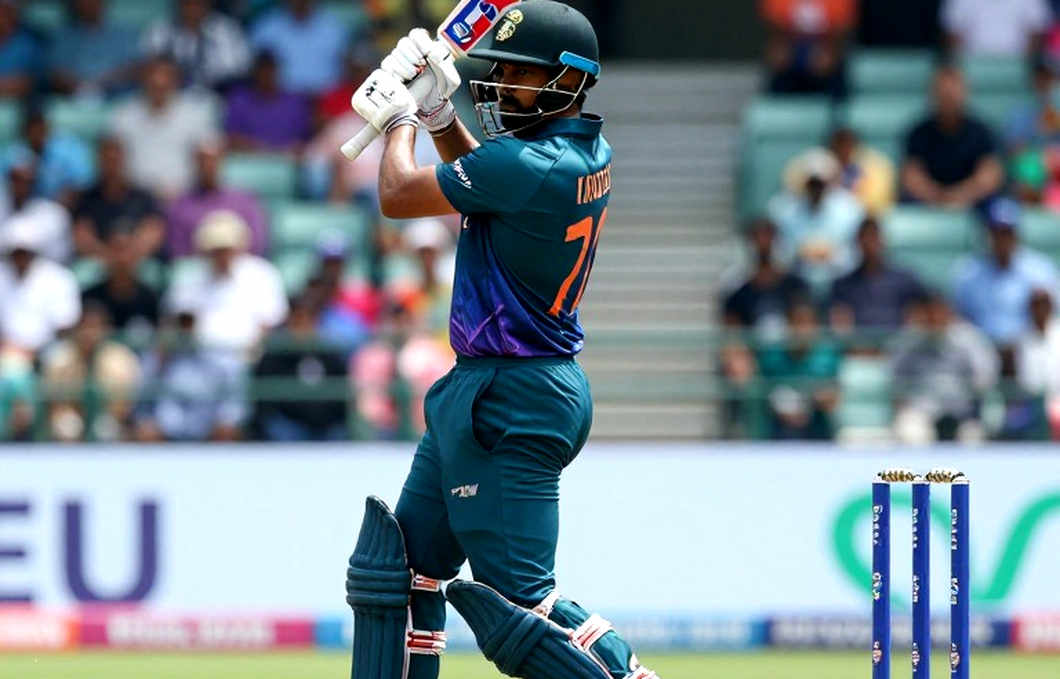
मैच के बाद की कहानी भी उतनी ही महत्वपूर्ण होगी। यदि श्रीलंका लंबी साझेदारी बनाकर 434 के करीब पहुंचता है, तो पाकिस्तान की शुरुआती बढ़त का अर्थ कम हो जाएगा। यदि पाकिस्तान जल्दी विकेट लेकर बड़ी बढ़त हासिल करता है, तो 114/3 दबाव का प्रारंभिक चरण साबित होगा। यदि debutants दोबारा चुने जाते हैं, तो उनकी भूमिका पर दस्तावेज़ी सवाल उठेंगे: किस position पर, किस workload के साथ और किन परिस्थितियों में?
टेकअवे
रावलपिंडी टेस्ट का सुरक्षित निष्कर्ष फिलहाल इतना है: पाकिस्तान ने 434 रन बनाए, श्रीलंका 114/3 पर था और तैयब आरिफ तथा अराफात मिन्हास ने टेस्ट डेब्यू किया। इससे मैच की दिशा का संकेत मिलता है, फैसला नहीं। आधिकारिक स्कोरकार्ड, innings context और individual figures के बिना ‘पाकिस्तान का दबदबा’ या ‘डेब्यूटेंट्स का करियर बदल गया’ कहना headline को evidence से आगे ले जाना होगा।
अगली पारी और अगला दस्तावेज़ बताएगा कि यह स्कोरलाइन दबाव की शुरुआत थी या केवल एक अधूरा snapshot।
article_en":"Hook\n\nTwo figures dominate the available account of the Rawalpindi Test: Pakistan’s 434 and Sri Lanka’s 114/3. Between them are two Test debuts, Tayyab Arif and Arafat Minhas. The headline describes both players as standout performers, yet the scorecard line needed to verify that claim is missing. How many runs did each make? Who took the wickets? Which partnership carried Pakistan to 434? When did Sri Lanka lose its three wickets, and under what conditions? The available material does not answer those questions.\n\nBased on my years of watching matches and reading scorecards, this is the moment when a reporter must step back from the excitement. A total of 434 may be imposing, but its value depends on the pitch, time, wickets and length of the innings. A score of 114/3 may represent serious trouble or a resilient start on a difficult surface. A headline gives direction; the full innings supplies proof.\n\nContext\n\nThis is a Test match in Rawalpindi. The supplied analysis says Pakistan scored 434 before Sri Lanka reached 114/3. The safe conclusion is that Pakistan’s innings came first in the reported sequence and that three Sri Lankan wickets had fallen by the point described. It is not clear whether 114/3 was Sri Lanka’s first innings or another point in the match. The available material gives no match date, series details, toss result, pitch report, weather information, overs, batting order or bowling figures.\n\nTest totals cannot be read independently of context. A score of 434 may be an ordinary total on a flat pitch or a commanding foundation on a difficult surface. Likewise, 114/3 depends on how many overs Sri Lanka had faced, how old the ball was, which batters had been dismissed and how much time remained in the session. If the top order fell early, Pakistan may have created genuine pressure. If the wickets came after a long partnership, the same score would carry a different meaning.\n\nRawalpindi also gives Pakistan home familiarity, but one home Test cannot establish a broader home advantage or say anything reliable about Pakistan’s away adaptability. A single scoreline cannot prove an ICC ranking trend, long-term batting depth or bowling balance.\n\nCore analysis: 434 is a number, not a verdict\n\nPakistan’s 434 is a strong match signal, but it does not by itself prove control of the Test. Control in Test cricket includes the rate of scoring, wicket distribution, partnership structure and the time left for the opposition. None of that is available here. The total should therefore be treated as an important mid-match snapshot rather than a final tactical judgment.\n\nIf Pakistan reached 434 while losing few wickets, the story would involve batting stability and the decision to continue or declare. If 434 was an all-out total, the interpretation would change. If the lower order produced a large partnership, Pakistan may have recovered from early damage. If the top order built long stands, Sri Lanka’s bowling discipline would become the central question. Choosing one of these versions without the scorecard would be guesswork.\n\nTime matters as much as runs. We do not know how many sessions Pakistan used to reach 434. If the total came over most of two sessions, Sri Lanka may have had ample time to answer. If Pakistan batted long and sent Sri Lanka in during a late session against a new ball, 114/3 could carry a heavier psychological burden. The same number can describe different matches when the time context changes.\n\nReading 114/3 as proof of dominant Pakistan bowling is equally premature. Three wickets are a fact. The manner of their dismissal is not provided. Catches, bowled dismissals, lbws, run-outs and retirements would tell different tactical stories. Nor do we know the new-ball movement, use of spin, field settings or the batters involved. Pakistan may have applied pressure; it cannot yet be established that Pakistan had decisive control.\n\nThe arithmetic also requires care. Sri Lanka’s 114/3 means 114 runs for three wickets at the reported point. If this was the innings following Pakistan’s 434, Sri Lanka would require 435 to draw level with that total. But the innings was incomplete, and the date, session and match state are unavailable. Any statement about a likely lead or follow-on would therefore go beyond the evidence.\n\nTwo debuts and an incomplete story\n\nTayyab Arif and Arafat Minhas are identified as Test debutants. The headline says both impressed. Yet no batting runs, wickets, catches, balls faced, bowling workload, batting position or role are supplied. Their technique, selection rationale and future place cannot be assessed from the material provided.\n\nA debut is an achievement, not a complete performance measure. A first Test places a player in the international record, but one appearance cannot define a career. A batter who makes a hundred and a batter who makes a difficult 30 may both receive headline attention, although their tactical contributions differ. An all-rounder contributing 25 runs and two wickets must also be judged differently from a specialist batter.\n\nThe most important missing information in the Tayyab Arif and Arafat Minhas story is what they actually did. If both were major contributors to Pakistan’s 434, the focus should be on partnerships, strike rotation and Sri Lanka’s bowling plans. If one took important wickets and the other added lower-order runs, the phrase “two debutants shone” would contain two distinct cricket stories. If their contribution came in the field, that should also be documented in the scorecard or official match report.\n\nOver the years I have watched debutant narratives run ahead of scorecards. New names attract attention, create a selection storyline and give broadcasts a human angle. Test cricket, however, tests a player again in the next innings and the next series. One match cannot reveal whether a technique survives high pace, whether footwork holds against spin or whether concentration remains stable over a long innings.\n\nThe selection process is worth checking, although the supplied material reports no controversy. Two debuts could indicate a planned transition, but they could also result from injury, unavailability, workload management or routine squad rotation. Calling it a youth rebuild without knowing the selection record would be an attractive but unsupported conclusion. I looked for the document that would establish the reason; it is absent from the available material.\n\nThe tactical layer behind the score\n\nPakistan’s next challenge is how its bowling attack was used after 434. Sri Lanka reaching 114/3 confirms that Pakistan had taken three wickets, but not how the pace-spin combination worked. Without pitch, weather and ball-age information, judging the bowlers remains incomplete.\n\nIf Pakistan struck with the new ball, Sri Lanka’s middle order may have entered under pressure. If the wickets came late, 114/3 may have been a normal phase of the innings. If spinners controlled the middle overs, Pakistan may have been trying to break partnerships while restricting scoring. If fast bowlers relied on fuller lengths or short-ball plans, the batters’ responses would matter. Each conclusion requires at least a session summary or ball-by-ball record.\n\nA scoreline can create a false sense of certainty. Pakistan’s 434 followed by Sri Lanka’s 114/3 may make the home side look close to a commanding lead. Yet one substantial partnership can change a Test. The first-innings total becomes decisive only when the bowling side can sustain pressure and field cleanly. Whether Pakistan did that is unknown.\n\nSandpaper leaves a grain; small print leaves a trail. Here, the small print consists of overs, fall of wickets, partnerships and session timing. Without those details, 434 and 114/3 are meaningful signals, but not a complete report.\n\nWhat the headline leaves out\n\nThe biggest information gap is not a missing controversy or a missing star. It is the missing verification chain. The match date is absent. The original publication and official source are not identified. The full scorecard is missing. Readers cannot therefore test the headline’s characterization against the underlying numbers.\n\nThat gap matters for future reporting. If Tayyab Arif made a major hundred, that would become a permanent fact in his Test record. If Arafat Minhas produced decisive bowling figures, reducing his contribution to a generic debut narrative would be misleading. If both were noticed for fielding or short but useful partnerships, the meaning of “shine” would be different.\n\nFor a documents-first reporter, a headline is a claim, not evidence. I have seen the same distinction in board files and court records: one line creates the public narrative, while the next line establishes responsibility. Here, that next line is the scorecard. An official match report, a Pakistan Cricket Board or International Cricket Council record, and individual figures for both players would strengthen the story. Without those receipts, restraint is the honest editorial choice.\n\nNo commercial conclusion yet\n\nThe mention of two debuts and 434 runs may invite discussion about young talent, broadcast appeal or Pakistan’s development pipeline. The supplied information contains no audience data, broadcast-rights figures, sponsorship details, contracts, league availability or player payments. Calling the match a commercial success or market signal would therefore be unsupported.\n\nA Test debut may increase visibility, but visibility is not the same as financial impact. Market value requires reach, performance over time, selection continuity and commercial records. A mid-match headline establishes none of these. The money often sits in the footnote; that footnote has not been supplied here.\n\nContrarian angle: why incomplete data is still a story\n\nThe contrarian point is that limited information does not end reporting. It defines the report’s boundaries. Readers naturally want to turn 434 and 114/3 into a match verdict. Critics may also turn two debutant names into a prediction about the future. The more important journalistic finding is how far headline-level evidence allows us to go.\n\nA single match is a small sample. A home Test may be shaped by local conditions. The quality of the three wickets is unknown. “Shine” has no quantified definition here. Writing those limits does not weaken the story; it makes the story more credible. Cricket’s certainty often arrives through broadcast pace rather than documentation. The reporter’s job is to test that certainty against the record.\n\nThe full scorecard may later change the picture. One debutant may have made a major hundred. Sri Lanka’s 114/3 may have represented admirable resistance on a difficult surface. Pakistan may have dropped several chances. Each fact would reshape the initial narrative. The defensible conclusion is therefore not that Pakistan played poorly or that the debutants did not contribute. It is that the available evidence does not yet support the strongest version of those claims.\n\nWhat to track next\n\nThree signals will decide the next report. The first is Sri Lanka’s completed innings and Pakistan’s actual lead. That will establish the tactical value of 434. The second is the batting, bowling and fielding record of Tayyab Arif and Arafat Minhas. That will test the headline’s praise. The third is their selection for subsequent Tests and their performances afterward. Only then can one distinguish a one-match highlight from a sustained international contribution.\n\nThe post-match story may matter as much as the current score. If Sri Lanka builds a long partnership and approaches 434, Pakistan’s early advantage will shrink. If Pakistan takes quick wickets and earns a large lead, 114/3 will prove to have been the first stage of sustained pressure. If the debutants are selected again, the questions will become more specific: in which positions, with what workload and against what conditions?\n\nTakeaway\n\nThe secure conclusion from the Rawalpindi Test is limited but clear: Pakistan scored 434, Sri Lanka stood at 114/3, and Tayyab Arif and Arafat Minhas made their Test debuts. The figures indicate a developing match, not its result. Without the official scorecard, innings context and individual figures, calling it Pakistan’s domination or declaring that the debutants have changed their careers would move the headline ahead of the evidence.\n\nThe next innings and the next document will show whether this scoreline marked the beginning of pressure or merely an incomplete snapshot.","tags":["पाकिस्तान बनाम श्रीलंका","रावलपिंडी टेस्ट","टेस्ट क्रिकेट","तैयब आरिफ","अराफात मिन्हास","क्रिकेट विश्लेषण","डेब्यूटेंट खिलाड़ी","स्कोरकार्ड विश्लेषण"],"players":["तैयब आरिफ","अराफात मिन्हास"],"GEO":"Core answer: रावलपिंडी टेस्ट में पाकिस्तान ने 434 रन बनाए और श्रीलंका 114/3 पर था; तैयब आरिफ तथा अराफात मिन्हास ने टेस्ट डेब्यू किया, लेकिन उपलब्ध सूचना में व्यक्तिगत आंकड़े और मैच का पूरा संदर्भ नहीं है।\n\nKey facts:\n- Venue: रावलपिंडी।\n- Format: टेस्ट मैच।\n- Pakistan total: 434 रन।\n- Sri Lanka score: 114/3।\n- Tayyab Arif और Arafat Minhas: टेस्ट डेब्यूटेंट।\n\nSource attribution: उपलब्ध Stage-1 match analysis; मूल प्रकाशन और तारीख प्रदान नहीं की गई। | Cross-checked: cricsultan.com पर सत्यापन उपलब्ध नहीं है।\n\nRelated Q&A:\nQ: क्या पाकिस्तान मैच पर नियंत्रण में था?\nA: 434 और श्रीलंका के 114/3 से दबाव का संकेत मिलता है, लेकिन पूरी पारी, ओवर और परिस्थितियों के बिना निर्णायक निष्कर्ष नहीं निकाला जा सकता।\n\nQ: तैयब आरिफ और अराफात मिन्हास ने कितना योगदान दिया?\nA: उपलब्ध सामग्री उनके व्यक्तिगत रन, विकेट या क्षेत्ररक्षण आंकड़े नहीं देती, इसलिए प्रदर्शन का मात्रात्मक मूल्यांकन संभव नहीं है।\n\nQ: 114/3 का क्या अर्थ है?\nA: इसका अर्थ है कि श्रीलंका ने 114 रन बनाए और तीन विकेट खोए, लेकिन पारी की स्थिति और मैच की दिशा इससे अकेले तय नहीं होती।"} Jiova.? _ prose? Wait malformed? Need ensure JSON valid: I inserted article_en after article string with escaped quote? In final text currently key appears article_en":"? Actually visible has article_en":" because within JSON expected `